Skip to content
Search
Menu

We earn a commission if you book through this link. You pay the same price.

Neighbourhood

Coconut Grove

Last updated

The one Miami neighbourhood with a real tree canopy, which makes it the only outdoor block that works at two in the afternoon.

Almost every outdoor thing in this city fails the same test. Between roughly noon and four, from May through October, open pavement in Miami is not somewhere anyone wants to stand. Wynwood has no trees. The beach has no trees. Downtown has towers and glare. That is the gap Coconut Grove fills, and it is why it appears on a planner rather than in a list of pretty neighbourhoods.

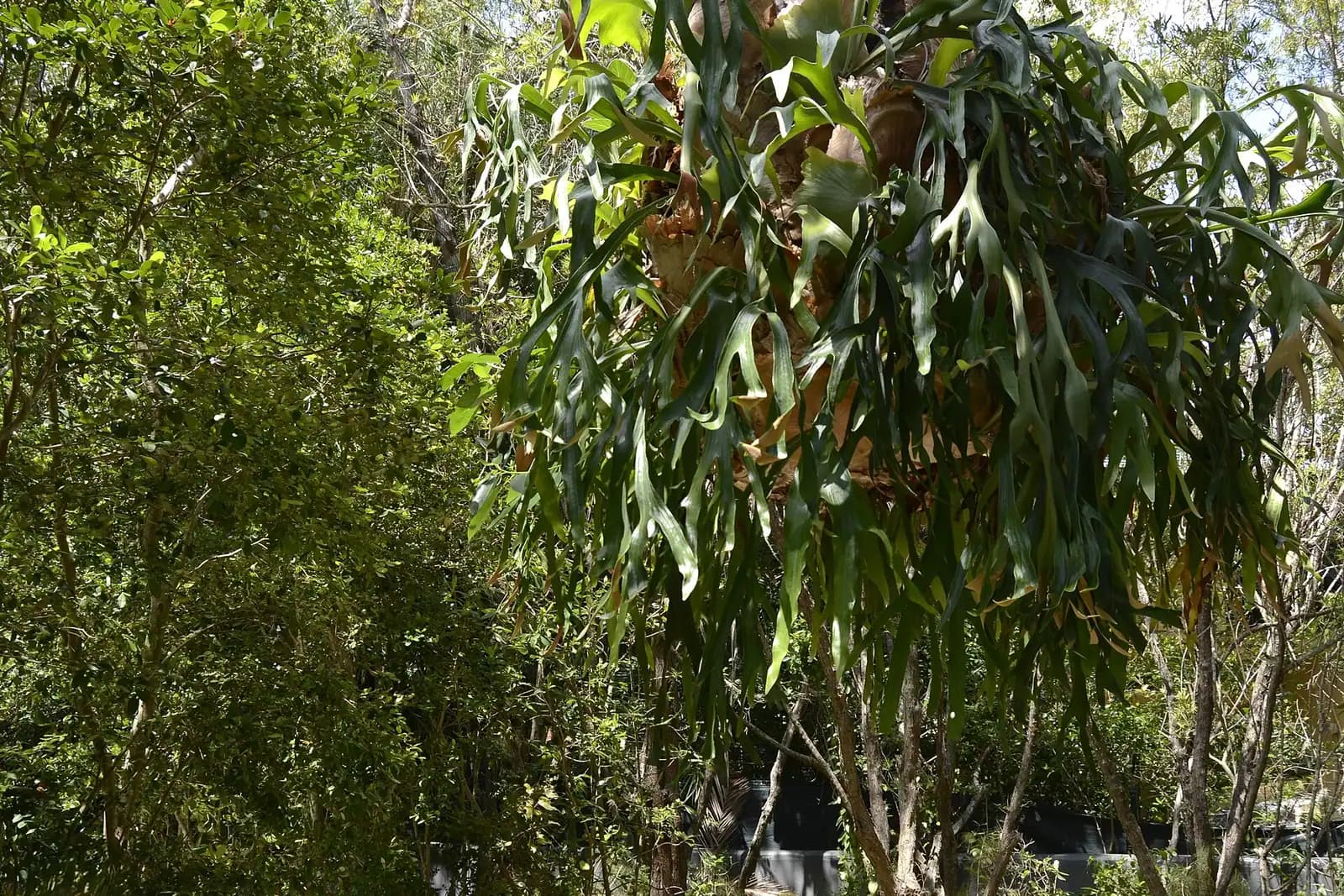
The Grove has a canopy — mature, continuous, arching over the residential streets and much of the village centre. The difference in felt temperature between a shaded Grove street and an open Wynwood block at two in the afternoon is not subtle. It changes what is possible in the hours most Miami itineraries write off.

That gives it two jobs in a schedule. The first is as the afternoon half of a southern mainland day: Vizcaya in the morning, seven minutes down the road for lunch and a slow afternoon under trees. The second is as the Sunday block. Miami is not a strong Sunday city — the office districts empty, a lot of the good lunch counters close — but the Grove is a residential neighbourhood that lives on weekends, so it stays busy when the rest of the mainland does not.

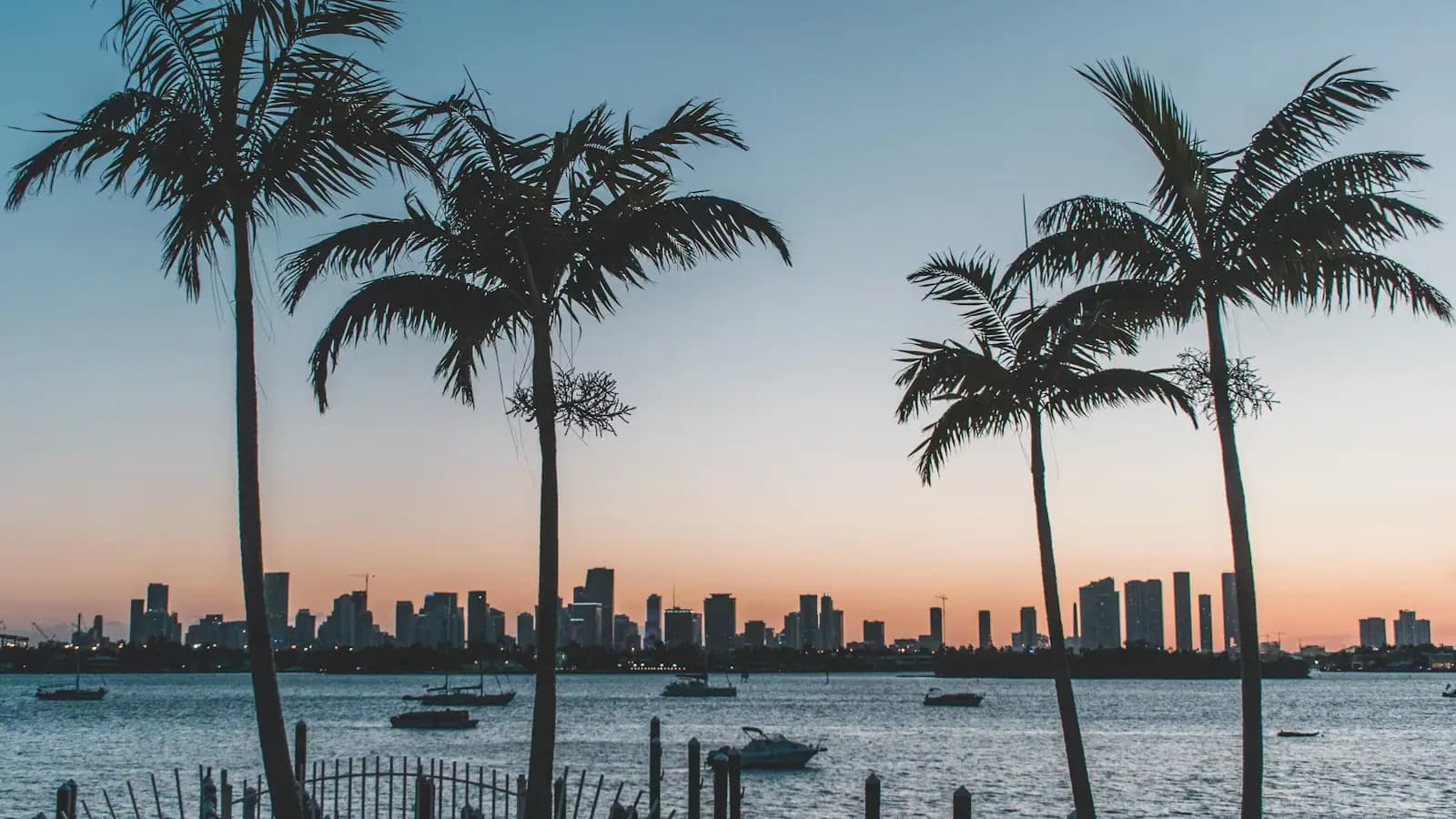
The water is the other half of it. Dinner Key is a working marina with a public walk along it, and the low white building behind the moorings is a 1934 seaplane terminal that Miami now uses as its city hall. It faces west across the bay, which makes it one of the few places on the mainland where a sunset actually happens in front of you rather than behind a skyline.

Budget two to three hours. Longer if lunch turns into an afternoon, which here it tends to.

Getting there and parking

Coconut Grove is a neighbourhood of Miami, on the mainland, on Biscayne Bay south of Brickell.

Metrorail has a station serving the Grove, but it sits above the village rather than in it, and the walk down to the shops and marina is longer and hillier than the map implies. Good for getting near in winter; unpleasant in August.

A free on-demand electric shuttle runs within the neighbourhood and closes that last stretch, or moves you between the village and the water without touching the car. Summoned rather than timetabled.

Driving is easy off-peak and awkward at weekends. Village garages and metered kerb space on the residential edges both fill around Sunday lunchtime.

By road: about seven minutes from Vizcaya, fifteen from Brickell or downtown, fifteen from Little Havana, twenty-five to thirty-five from MIA, and thirty-five to fifty from South Beach.

The hours nothing else covers

Slot the Grove into the part of the day you would otherwise lose.

HourElsewhere in MiamiHere
12–2pmOpen pavement, heat index, no shadeCanopy streets, covered village blocks, lunch
2–4pmThe storm cell arrives with nowhere to standTrees, awnings and indoor blocks within a minute
4–6pmThe best light, but everyone is movingMarina walk, bayfront park, quiet
6–7:30pmSunset happens behind you on the ocean sideSunset over the bay, facing west, from the water

Two hours is the village centre, lunch and the marina walk.

Three hours adds the bayfront park and a slow sit by the water at the end of it.

A full afternoon is the Vizcaya-then-Grove pairing, which is the most comfortable warm-weather day on the mainland and never touches a causeway.

In rain, this is a competent second choice: the village blocks have cover and the trees take the edge off a passing cell, though nothing here is a true indoor destination.

Why it is the Sunday answer

Sunday is the weak day in a Miami plan and most itineraries pretend otherwise. The business districts thin out, a number of the best lunch counters keep Monday-to-Saturday hours, and the museums that do open carry everyone who has nowhere else to be.

The Grove is the exception because it is a lived-in neighbourhood rather than a commercial one. Weekend mornings here are residents on bikes, families in the park, a market on the village streets and brunch tables that fill by eleven. It is the only part of mainland Miami that is more alive on a Sunday than on a Tuesday.

Practical consequences: come earlier than you would midweek, because the brunch window is genuinely competitive from about ten thirty. Parking in the village is harder on Sunday than on any weekday. And the marina walk, which is empty on a Tuesday, is at its best on a Sunday afternoon when the boats are moving.

The one weekend to avoid is the Arts Festival over Presidents' Day weekend in February, when streets close, the village fills and the neighbourhood becomes an event rather than a place. That is either the best reason to come or the best reason not to, depending on what you wanted from the afternoon.

Getting in, and the walk people underestimate

Metrorail serves the Grove, which is unusual for a Miami neighbourhood, but the station is not in the village. The walk from it down to the shops and the marina is longer and hillier than the map suggests, and in August it is not a pleasant fifteen minutes. Treat the train as a way to get near, not a way to arrive.

A free on-demand electric shuttle operates within the neighbourhood and is genuinely useful for closing that last stretch, or for getting from the village down to the water without moving the car. It is summoned rather than scheduled.

Driving is straightforward off-peak and awkward at weekends. There are garages in the village centre and metered kerb space on the residential edges, and Sunday midday is the worst hour to arrive looking for either.

By road it is about seven minutes from Vizcaya, fifteen from Brickell or downtown, fifteen from Little Havana, twenty-five to thirty-five from MIA, and thirty-five to fifty from South Beach across a causeway and down the length of the mainland — which is the one approach worth avoiding.
What actually fills the block

The Grove rewards low-effort time, so this is a list of things to do slowly rather than things to tick.

  • The canopy streets themselves. Walk the residential blocks either side of the village centre. This is the activity, not the approach to one.
  • Dinner Key marina. A public walk along working moorings, with a 1934 seaplane terminal behind them that is now Miami's city hall. Flat, shaded in parts, and on the water.
  • The bayfront parks. Open lawn on the water south of the marina, which is where the afternoon slows down properly.
  • Lunch under trees. The village blocks and the streets behind them. The tables one street back from the main junction are consistently better value.
  • The sunset. West-facing over the bay, unusually for this coast. Be at the water by about half an hour before.

Skip the village's chain retail unless it is raining, in which case it is exactly what you need.

Tours that visit The Grove

Operators run these trips past The Grove, or stop there as part of a longer route. We list what the booking data supports — not everything that mentions the name.

Some links below go to Viator, our booking partner. We earn a commission on bookings made through them — at no extra cost to you, and with no influence on what we recommend.

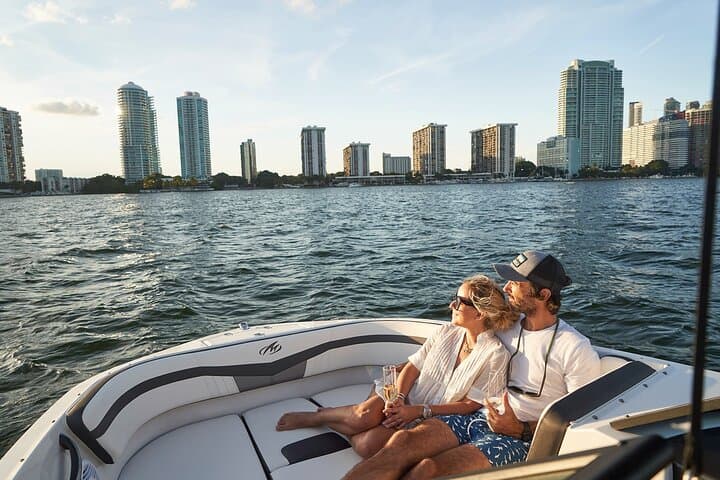
Private and small-group departurespriced per boat or per vehicle, not per person

Near The Grove

Straight-line distances, so allow more on the road — the island is long and has one main parkway.

  • A formal terraced garden with clipped hedges and stone steps leading down towards water
    Historic site

    Vizcaya Museum and Gardens

    Closed Tuesdays, timed entry, two hours minimum — the one Miami stop you build the rest of the day around.

    1.5–3 hoursTicketed, with advance online booking advised. Adult rates have recently been published anywhere from around $20 to the high $30s depending on what is open, with lower rates for children, students and seniors.2.3 mi away

  • An empty stretch of pale sand meeting calm shallow water under a clear sky
    Beach

    Key Biscayne

    Fifteen minutes from Brickell over a tolled causeway — closer than the beach everyone books, and a completely different kind of day.

    4–6 hoursThe causeway toll is a small electronic charge per crossing, and each beach park charges a separate per-vehicle entry fee at the gate. The island's roads and village are free to drive through.5.6 mi away

  • Glass residential towers rising above a tree-lined city street at dusk
    Free
    Neighbourhood

    Brickell

    The only part of Miami where the travel time between two things is four minutes on foot.

    1.5–4 hoursFree to walk, and the Metromover through it costs nothing. Food, drink and parking are the only expenses.4 mi away

  • Older men playing dominoes at outdoor tables under a shaded shelter in a city park
    Free
    Neighbourhood

    Little Havana

    Ninety minutes of walkable Calle Ocho, best between eleven and two on a weekday — and almost never worth doing after dark.

    1.5–4 hoursFree to walk. Coffee, food, cigars and guided food walks are the only costs, and the first two are among the best value in Miami.3 mi away

The Grove: common questions

Why is Coconut Grove good in the middle of the day?

Because it has a mature tree canopy and almost nowhere else in Miami does. Wynwood is open warehouse pavement, the beach has no shade at all, and downtown is glass and glare. Between noon and four from May through October, the difference between a shaded Grove street and an open block elsewhere is the difference between a pleasant hour and one you cut short. That is the whole argument for it.

What should I pair Coconut Grove with?

Vizcaya, seven minutes north, is the obvious partner: a timed morning slot in the gardens, then lunch and a slow afternoon under trees here. The pairing uses no causeway and covers the two hardest hours of a Miami day. Brickell and downtown are fifteen minutes north if you want to end the evening on the free Metromover instead.

Is Coconut Grove good on a Sunday?

It is the best answer mainland Miami has for a Sunday. The office districts empty out and a lot of good lunch counters close, but the Grove is residential, so weekends are when it is busiest — bikes, families in the parks, a market on the village streets and brunch tables that fill from about half past ten. Come earlier than you would on a weekday, and expect parking to be harder.

Can you get to Coconut Grove without a car?

Yes, with one caveat. Metrorail has a station serving the neighbourhood, but it is above the village and the walk down to the shops and marina is longer and hillier than the map suggests — fine in January, punishing in August. A free on-demand electric shuttle operates within the neighbourhood and closes that gap. Rideshare from Brickell or downtown is about fifteen minutes.

Where do you watch the sunset in Coconut Grove?

From the water at Dinner Key marina or the bayfront parks just south of it. The Grove faces west across Biscayne Bay, which makes it one of the few mainland places where the sun actually sets in front of you over water rather than behind buildings. Be in position about half an hour beforehand, and note the marina walk is flat and free.