Most lists of things to do in a city are inventories. This one is a timetable, because in Miami the limiting factor is almost never what there is to do. It is how many hours you have, which side of Biscayne Bay you are standing on when you decide, and what the sky is planning for three o'clock.
So start from your constraint rather than from a map. There are only four constraints that matter here, and everything on this site hangs off them. How long have you got — five hours between flights, one day, a weekend, a week. Who is standing next to you — a seven-year-old at two in the afternoon in August is a completely different planning problem from two adults with one good dinner in the budget. What the weather is doing — which from June to October means what time the storm arrives, not whether it does. What you are willing to spend, which in this city is decided less by ticket prices than by parking, causeway rideshare and how many times you cross the water.
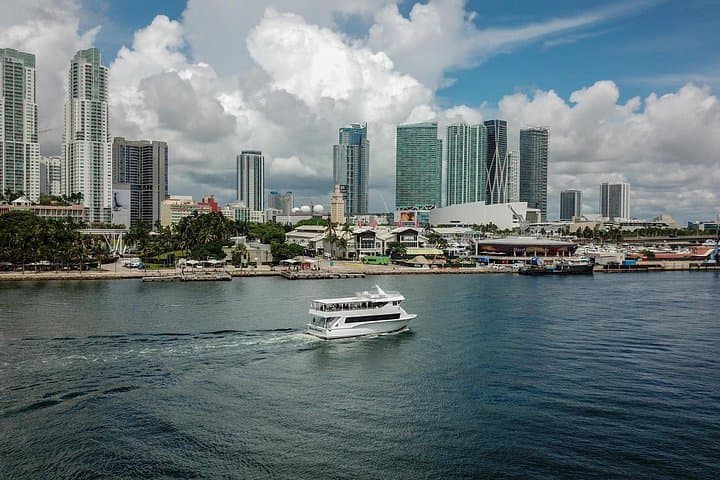
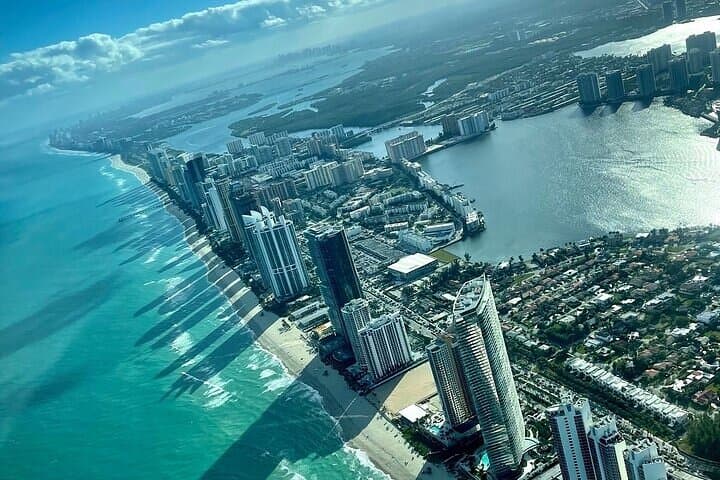
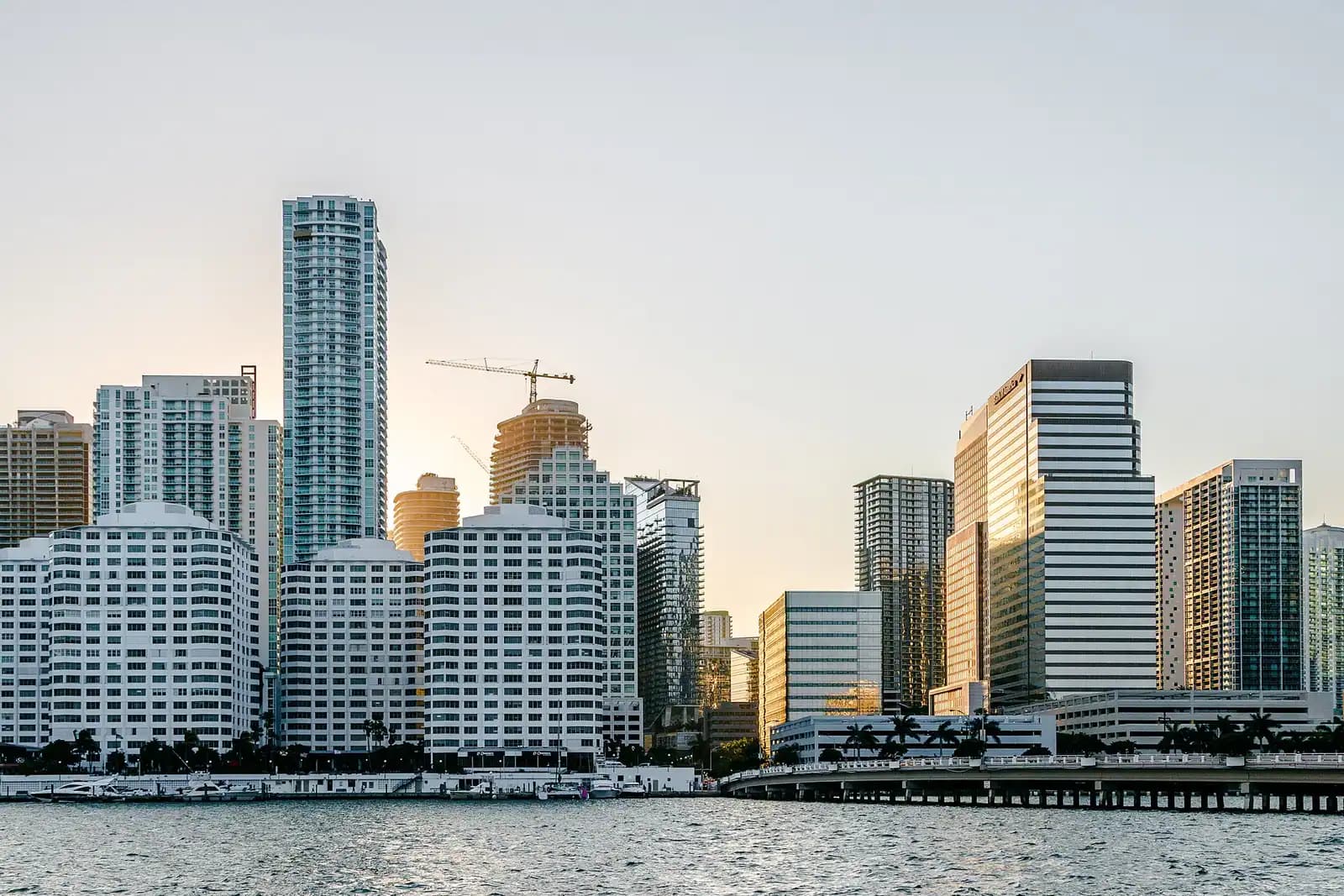
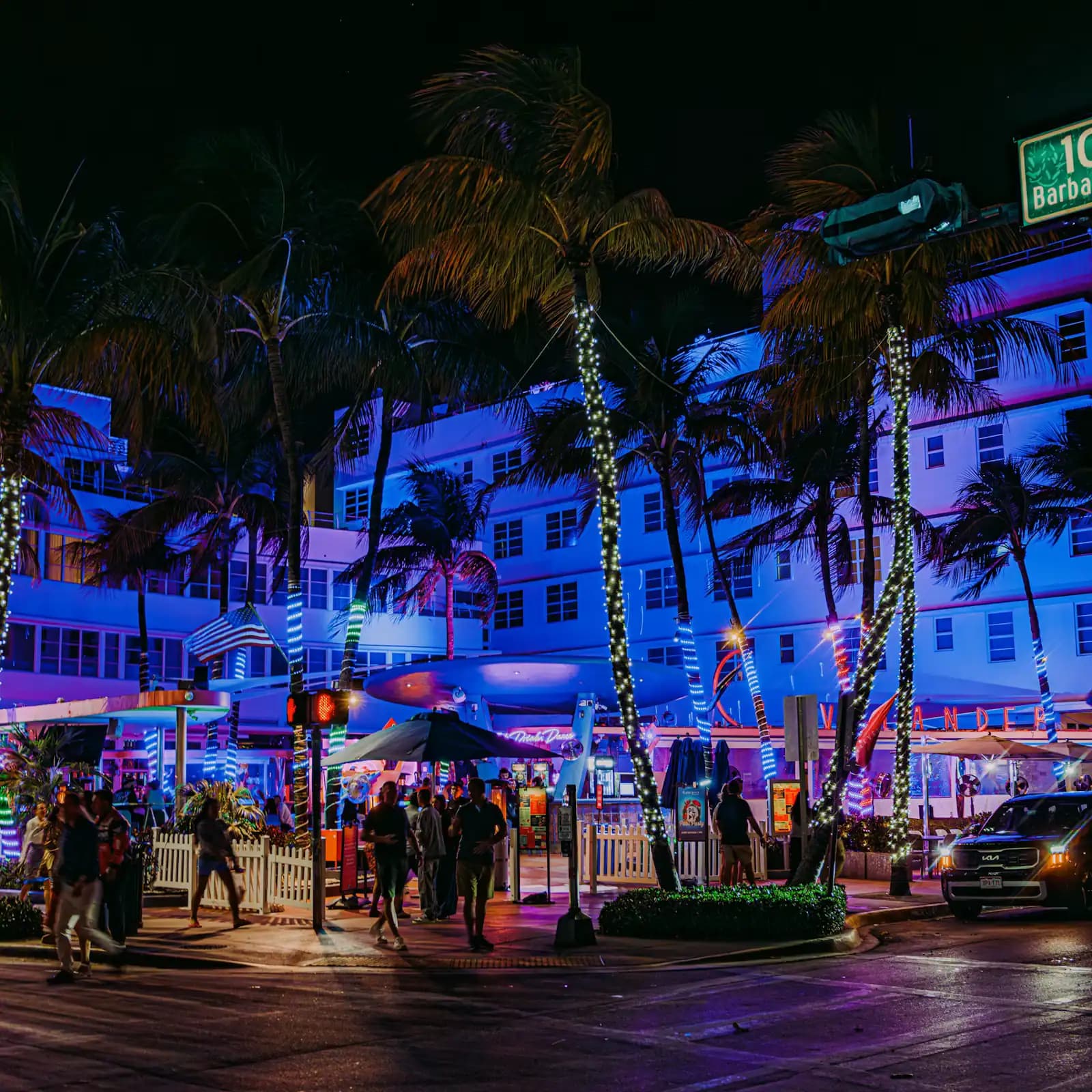
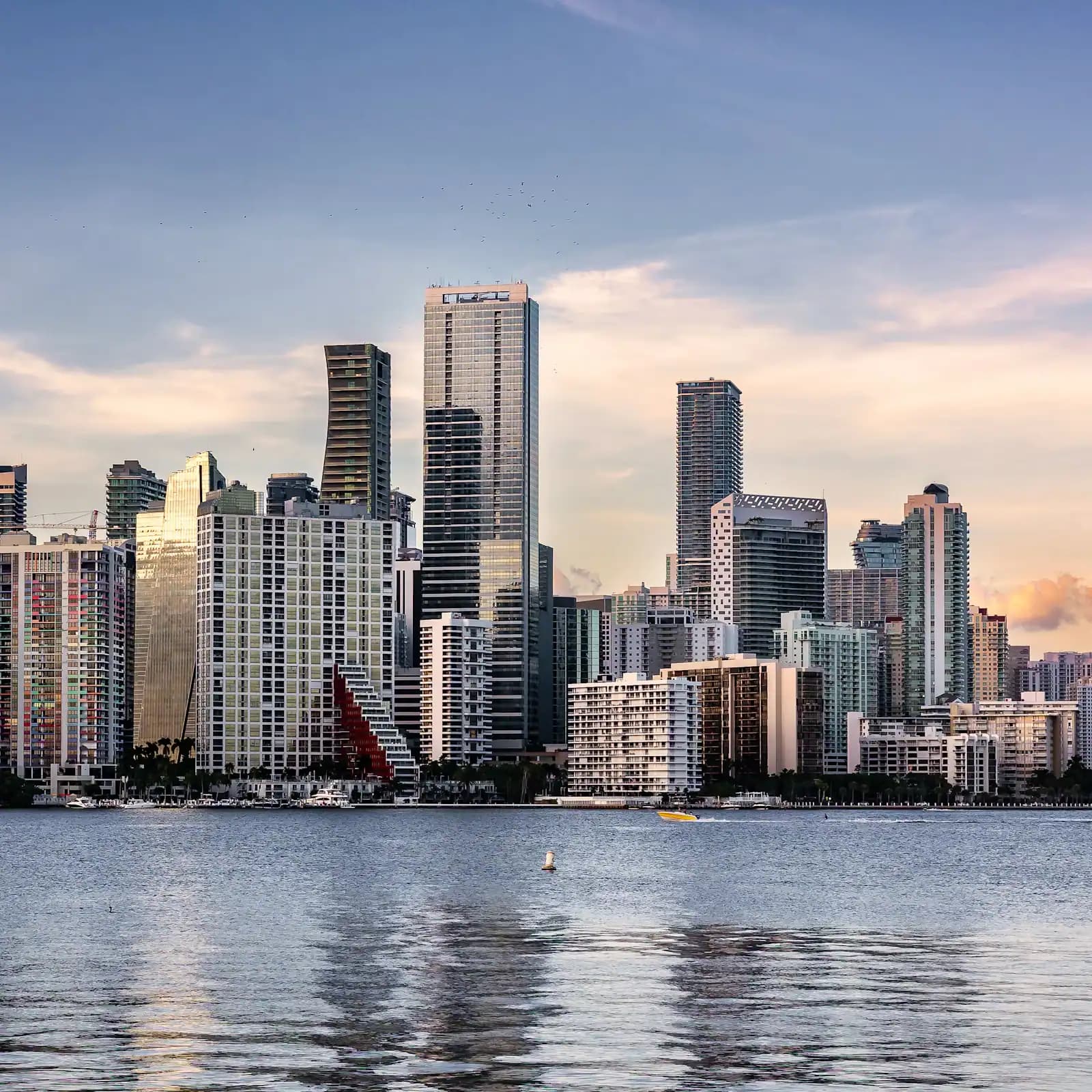
The geography is the part that catches people, and it is worth stating plainly because so much planning advice ignores it. Miami is on the mainland. Miami Beach is a separate city on a barrier island across the bay, with its own mayor, its own parking rules and its own police force, and South Beach is a neighbourhood of Miami Beach rather than of Miami. Four causeways join them and no train crosses. Six miles from Wynwood to Ocean Drive is fifteen minutes at ten on a Tuesday and can be fifty at six on a Friday. That single number, repeated four times a day, is what turns a good itinerary into a day spent in cars. Count the crossings in any plan you make. One is fine. Three is the whole day.
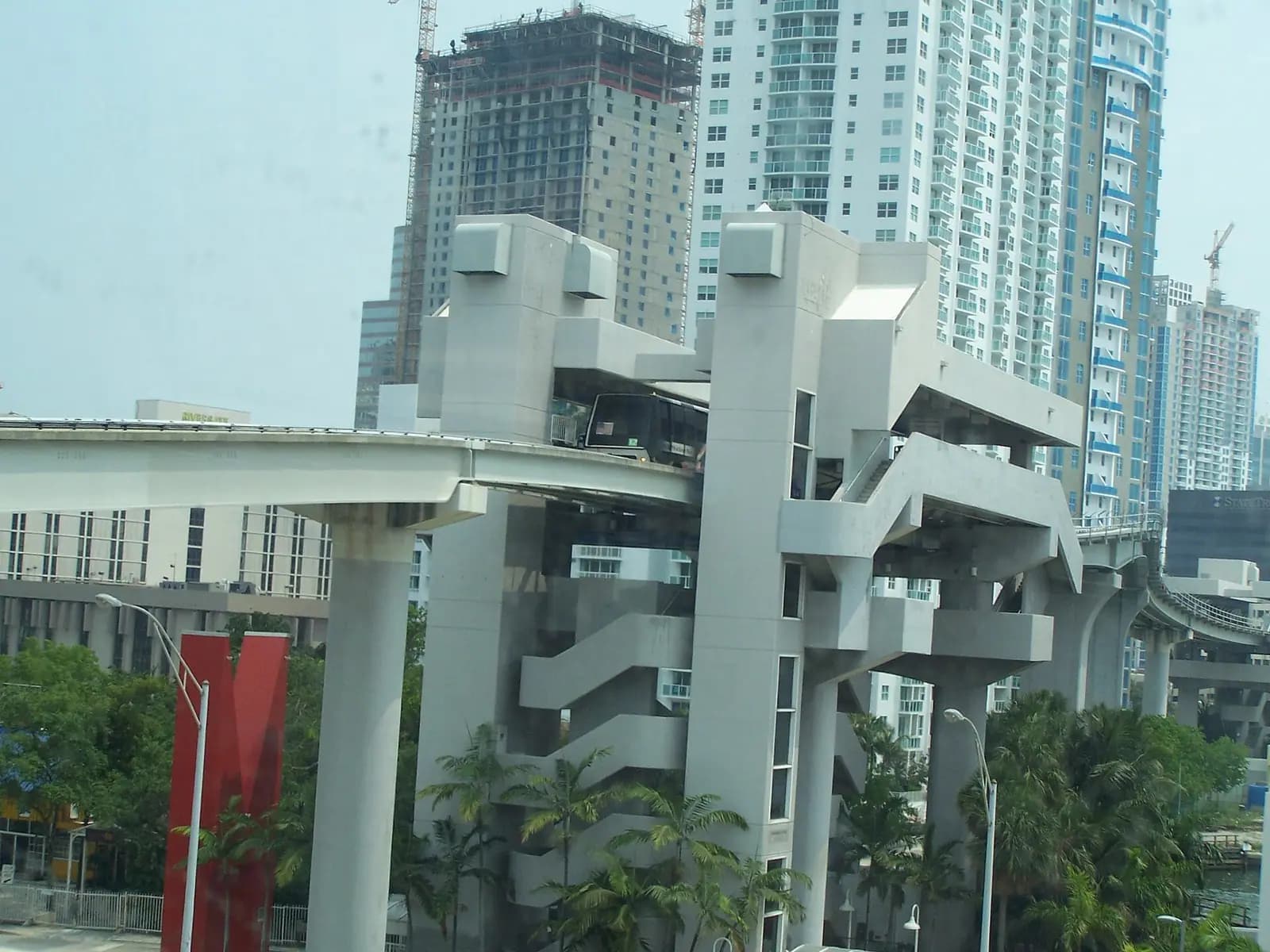
Underneath that sits a free transport spine that most visitors never find. The Metromover is fare-free, elevated, air-conditioned and runs three loops and 21 stations across downtown, the Omni and Brickell, with cars roughly every ninety seconds at peak. Miami Beach runs five free trolley routes, published as 8am to 11pm daily at around twenty-minute headways, with the Collins Express nearer fifteen. Neither crosses the bay. Between them they will move you around one side of the water all day for nothing, which is why the cheapest good days here are the ones that pick a side and stay on it.
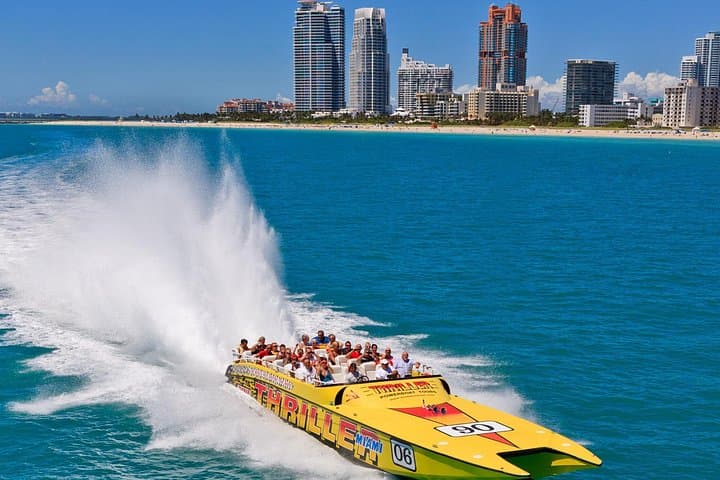
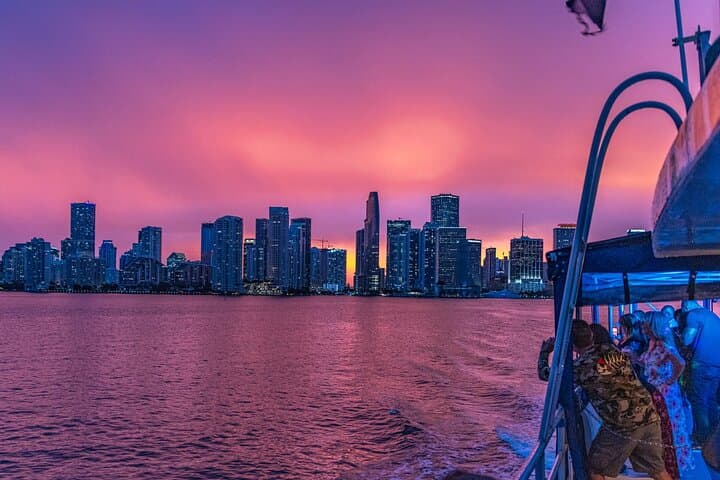
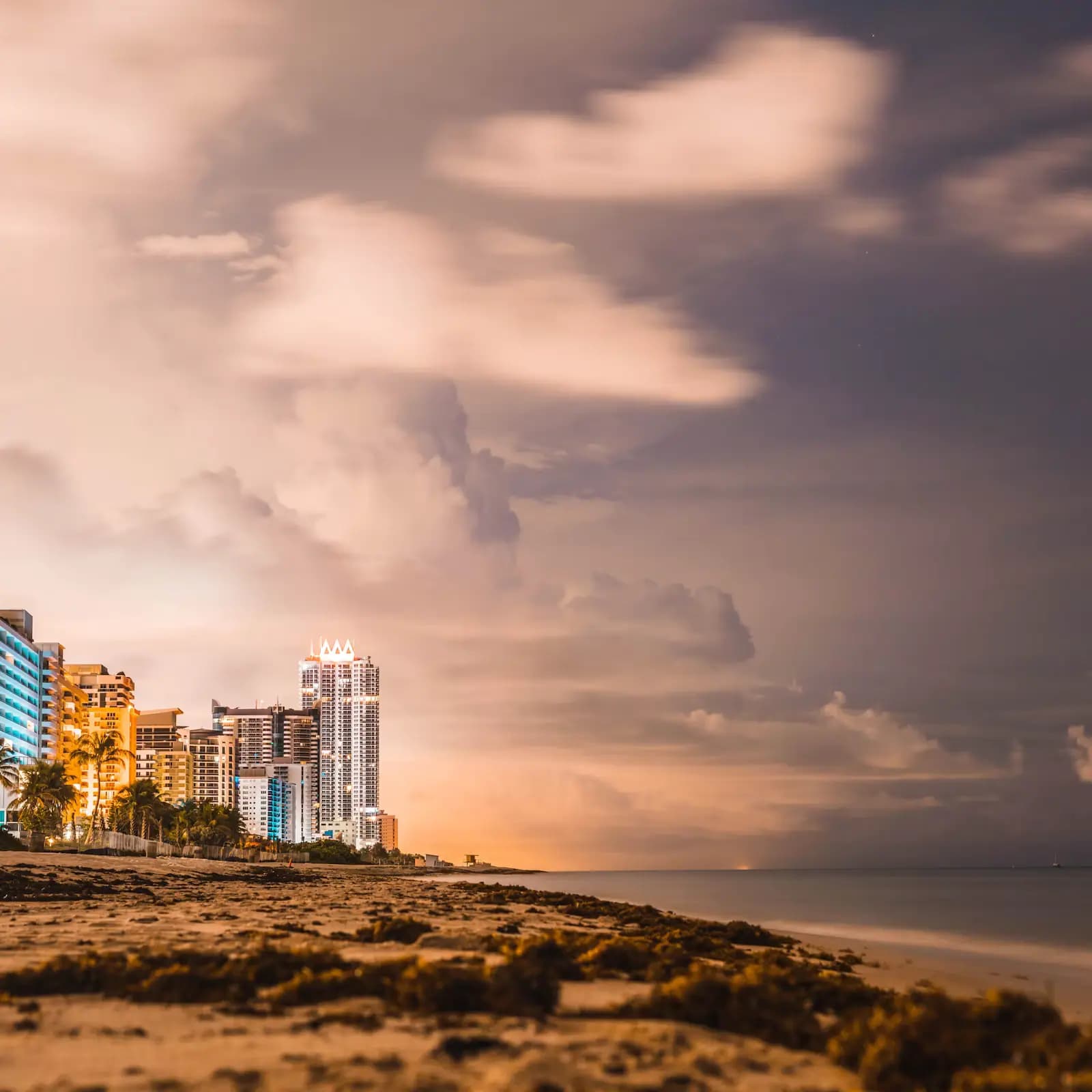
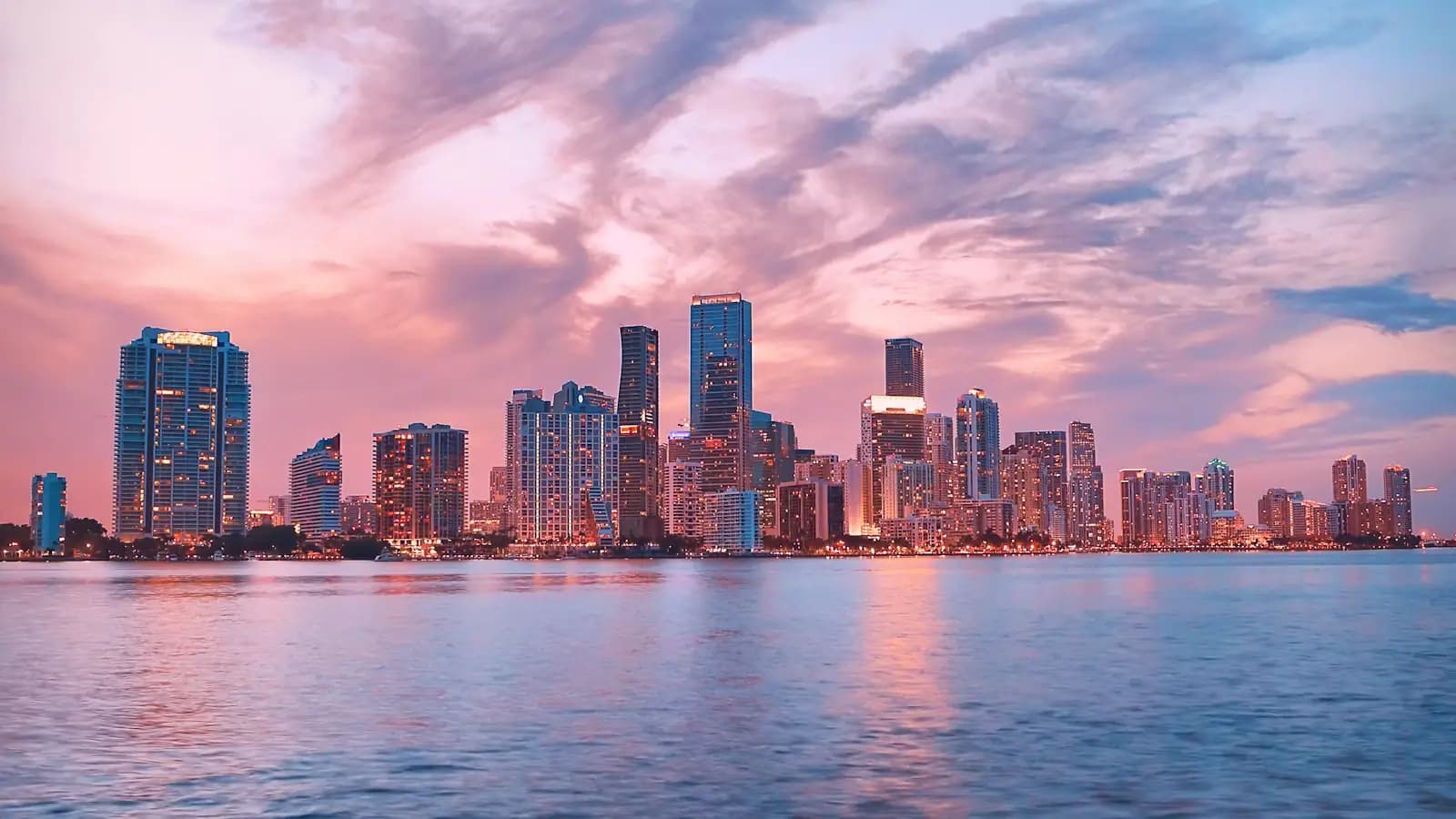
The last thing to understand before you pick a page below is that this city hands you a daily shape from roughly June to October, and the shape is not a washout. Mornings are bright and hot. Cloud builds inland through lunch. Somewhere between two and five a thunderstorm arrives, lasts thirty or forty minutes, and leaves behind the best light of the day. Anything with a hull goes before noon, because operators cancel for lightning rather than for rain. The middle of the afternoon goes indoors. From five you are outside again and the light is worth the wait, right up until sunset, which moves nearly three hours across the year — about 5:30pm at the end of November and about 8:17pm at the start of July.
Below: the questions, the hour costs, the weekly rhythm, the money, and the five specific ways a Miami day comes apart.