Skip to content
Search
Menu

We earn a commission if you book through this link. You pay the same price.

Everything

Tonight, From Nine Onwards

Last updated

Things to do in Miami tonight, split by which side of the bay you are on: what closes at 2am, the two free nights a month, and what the ride home costs.

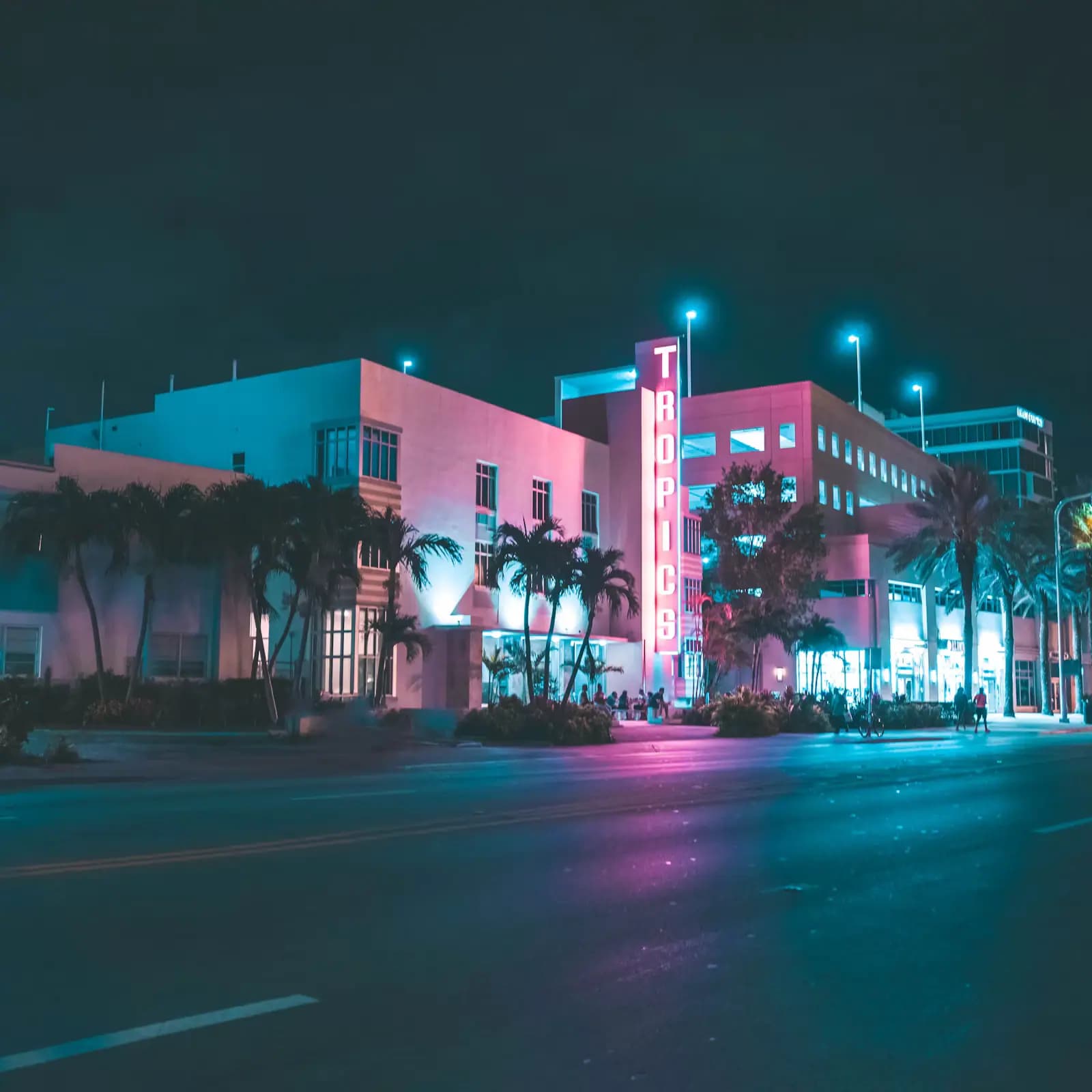
A neon-lit Art Deco hotel on a palm-lined Miami Beach street at nightUnsplash

At nine o'clock on a Miami evening there is exactly one decision that matters, and it is geographic rather than social. Miami and Miami Beach are separate cities on opposite sides of Biscayne Bay, joined by causeways and by nothing else. No train crosses. Nothing free crosses. At nine you are on one side or the other, and the choice is whether tonight costs you a forty-minute round trip and two surge-priced cars, or whether it does not.

That is the whole page, really. What follows is two evenings — a mainland one and an island one — plus the closing times that decide when each of them ends, plus the ride home, which is the line item nobody budgets for and everybody pays.

A few things about a Miami night are not obvious from anywhere else. Dinner runs late: nine is a normal hour to sit down, and in the Latin neighbourhoods ten is unremarkable, which means a seven o'clock reservation buys you an empty room rather than a good one. The sand is not a night venue — lifeguards come off at seven, beach parking lots are posted to close an hour before sunset, and alcohol, glass and smoking are prohibited on Miami Beach's city beaches, so the moonlit-bottle-of-wine version of this evening is illegal rather than romantic. And the island's entertainment district south of 16th Street now stops serving alcohol at two in the morning under an ordinance the city's voters approved, with exemptions that have been amended more than once. The mainland keeps going later. If your night has a two-in-the-morning shape to it, that is a reason to be in Wynwood or Brickell rather than on Ocean Drive.

Two evenings a month are worth rearranging a trip around, because both are free and both are genuinely local rather than staged: the Wynwood Art Walk on the second Saturday, and Viernes Culturales on the last Friday in Little Havana. Both finish around ten, which in this city is early — they are the first half of a night, not the whole of one.

Everything below assumes you are starting from where you already are. If you want a plan built forward from breakfast, that is a different page.

What stops when

When to go

Bands and published schedules, not guarantees. Individual venues vary and the rules have been amended more than once, so check anything your night depends on.

RoughlyWhat happens
Sunset, minus one hourMiami Beach beach parking lots are posted to close, and it is enforced
7pmOcean-rescue lifeguards come off the towers on Miami Beach
8–9pmMuseums and galleries are shut, except on the second Saturday in Wynwood
10pmViernes Culturales and the Wynwood Art Walk wind down
11pmMiami Beach's five free trolley routes stop for the night
Late eveningThe Metromover ends its service day; the span has been trimmed in recent years, so check
2amAlcohol service stops in the South Beach entertainment district south of 16th Street, on Ocean Drive and Collins Avenue, with venue exemptions
LaterParts of the mainland — downtown, Brickell, Wynwood — keep serving, venue by venue

Two readings of that table. First, the free transport stops before the night does, on both sides of the water. Whatever time you plan to go home, you are paying for it. Second, the 2am line is a geographic fact, not a citywide one: it applies to a defined slice of one barrier-island city. If your evening wants to run past two, start it on the mainland rather than trying to migrate there at half past one.

The mainland night: Brickell, downtown, Wynwood, Calle Ocho

Four different evenings inside about five miles, and the free Metromover links two of them for the first part of the night.

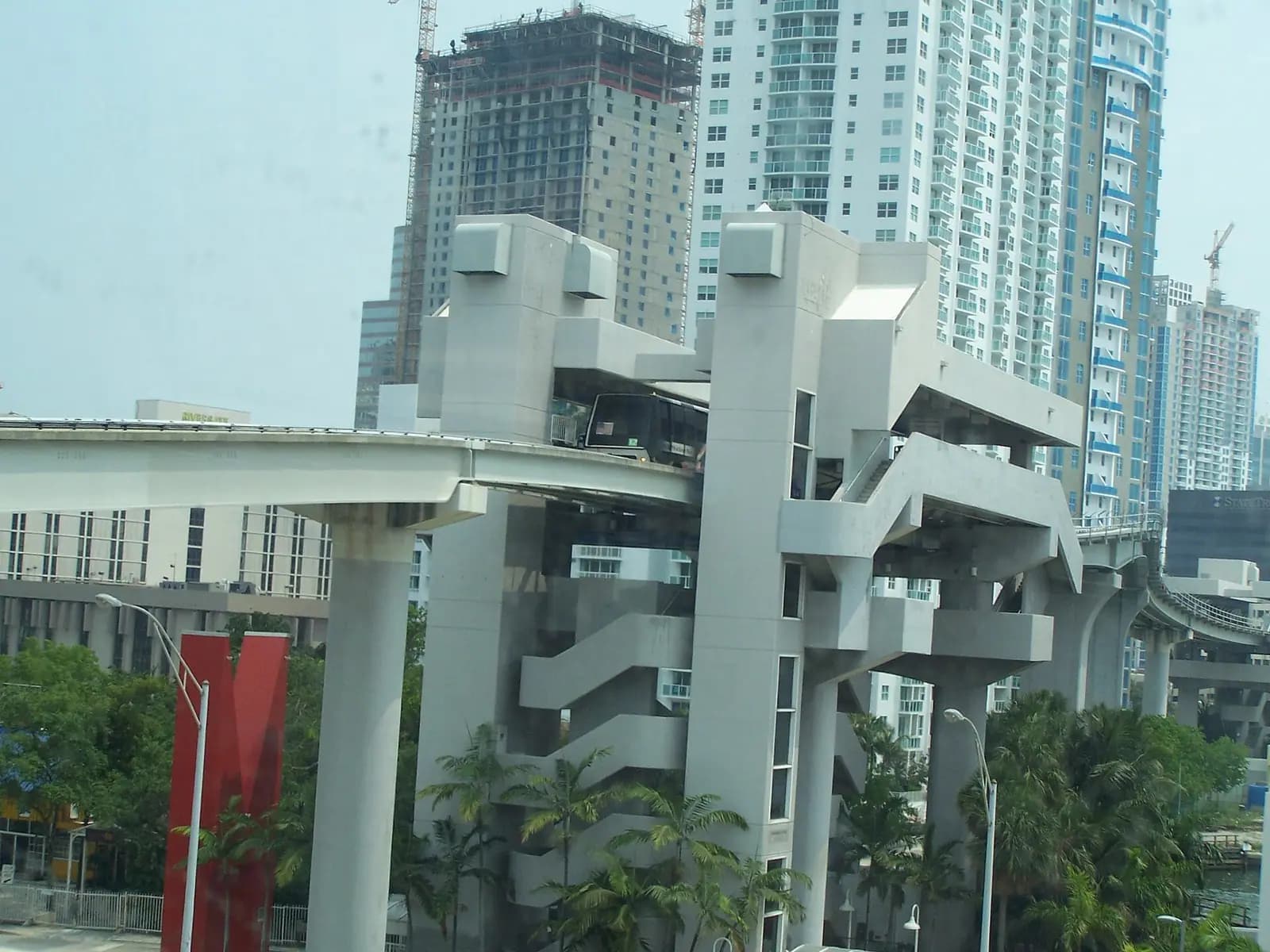
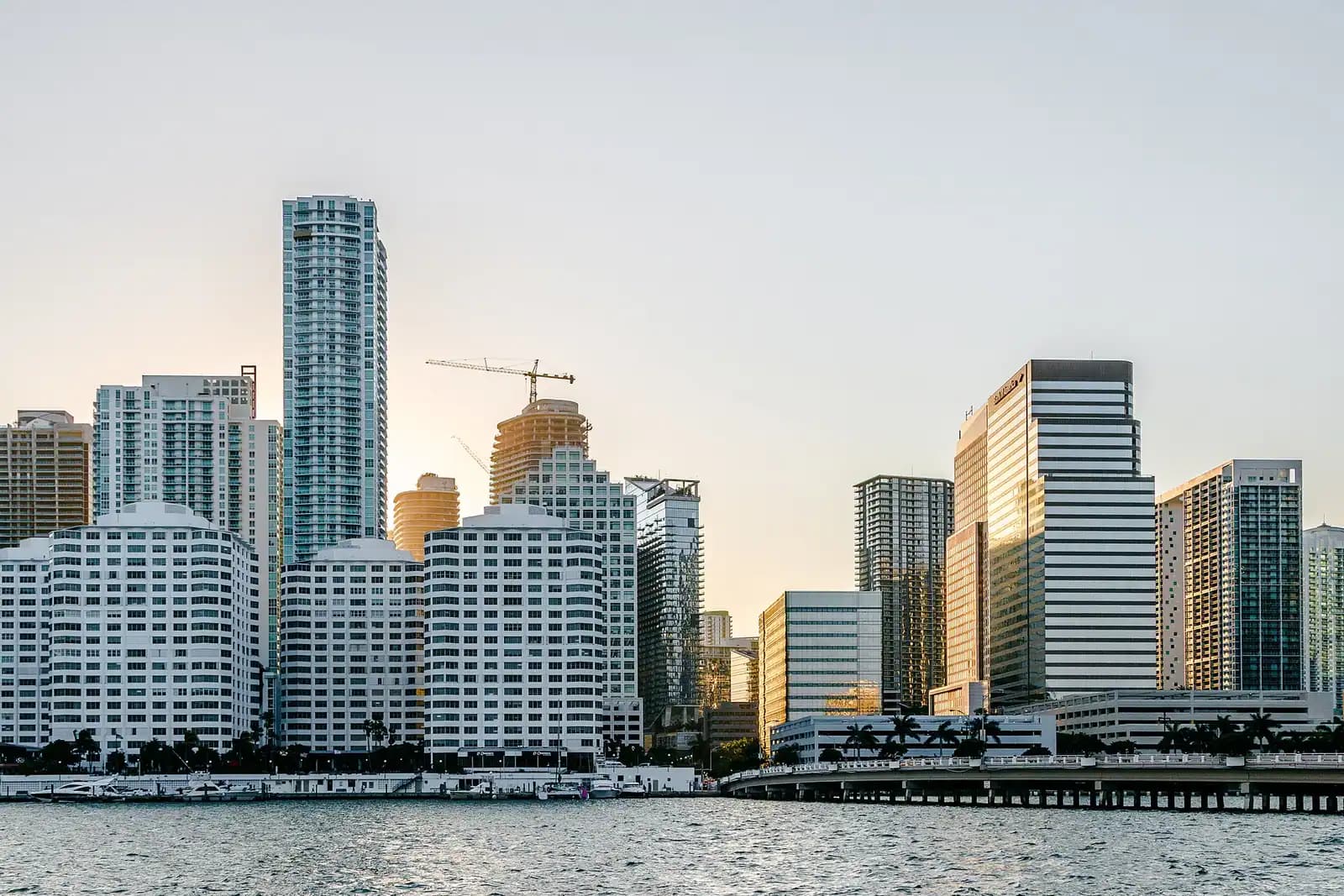
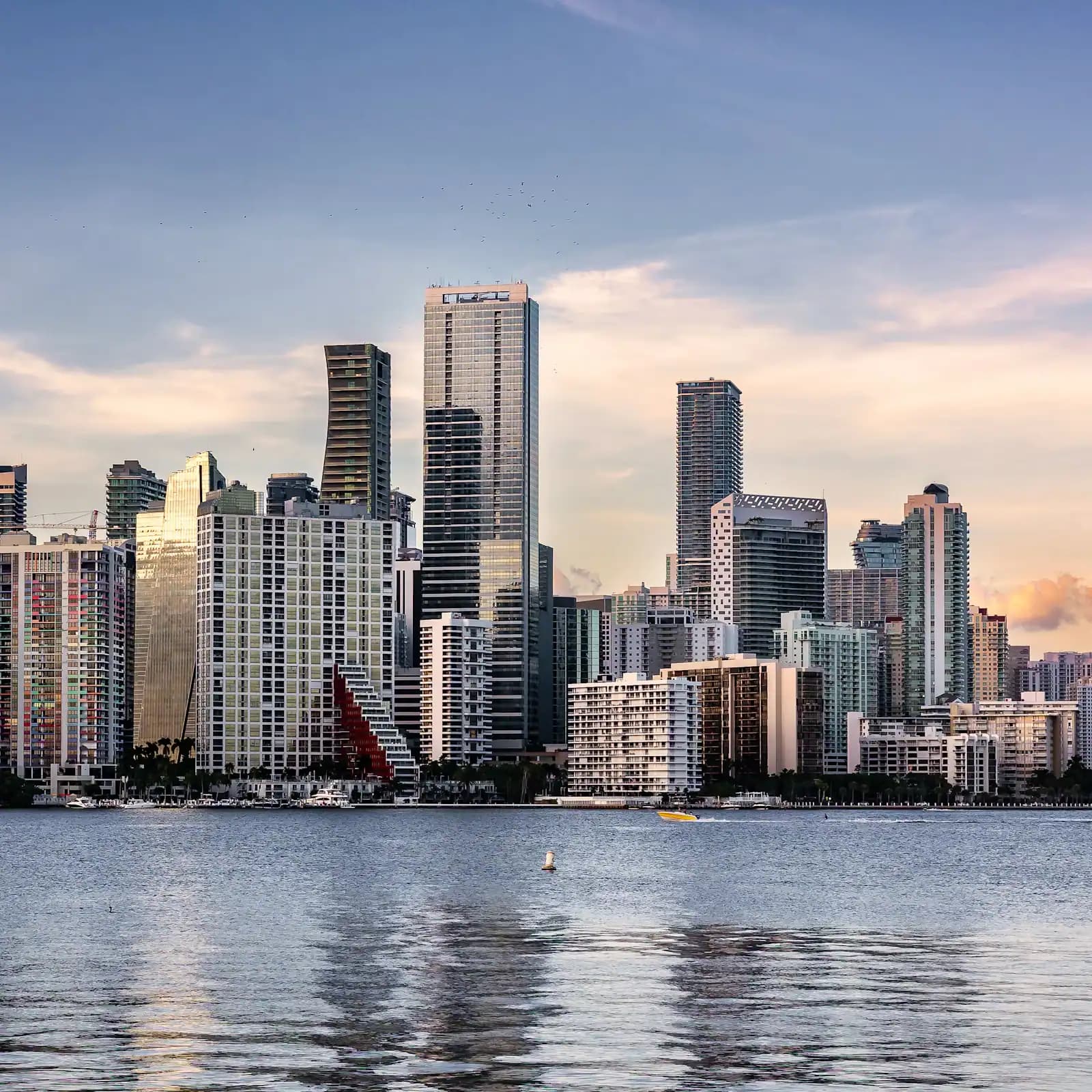
Brickell and downtown are the high-rise evening: rooftops with the skyline on one side and the bay on the other, restaurants inside the towers, and the one part of the city where you can walk between three places without a car. Ride the Metromover while it is still running — it is elevated, glass-fronted and fare-free, and the Brickell loop crosses the Miami River with a view straight down it. Open-air rooftops close fast in a storm and reopen slowly, which in summer is worth knowing before you queue for one.

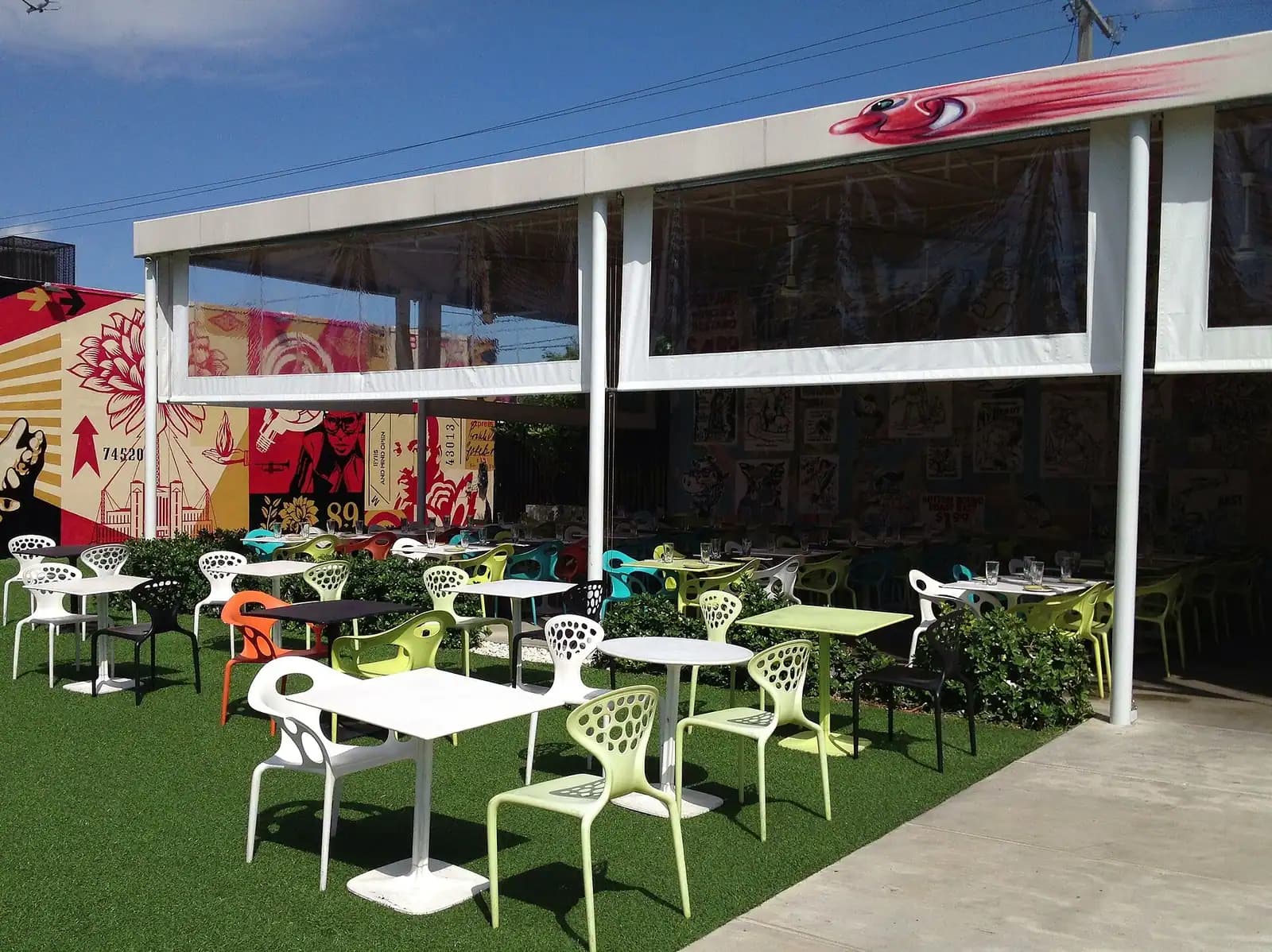
Wynwood is the late one. The murals are effectively invisible after dark except where a wall is lit, so the district at night is a bar and warehouse-venue evening rather than an art one. It is compact, walkable within itself, and a rideshare from Brickell or downtown rather than a walk.

Calle Ocho in Little Havana is the evening most visitors skip and the one that is most obviously Miami. Live music rooms with dance floors that fill with people who can actually dance, cigar counters open late, and a street that runs on its own hours. It is about fifteen to twenty minutes southwest of downtown. Take small cash for a counter or a tip.

The Design District is a different thing again after dark: quiet, lit, and largely retail, which makes it a good early-evening walk and a poor midnight one.

The island night: deco neon, Lincoln Road, and the west side

Miami Beach at night is a walking city, which is its main advantage over the mainland and the reason a car is a liability there.

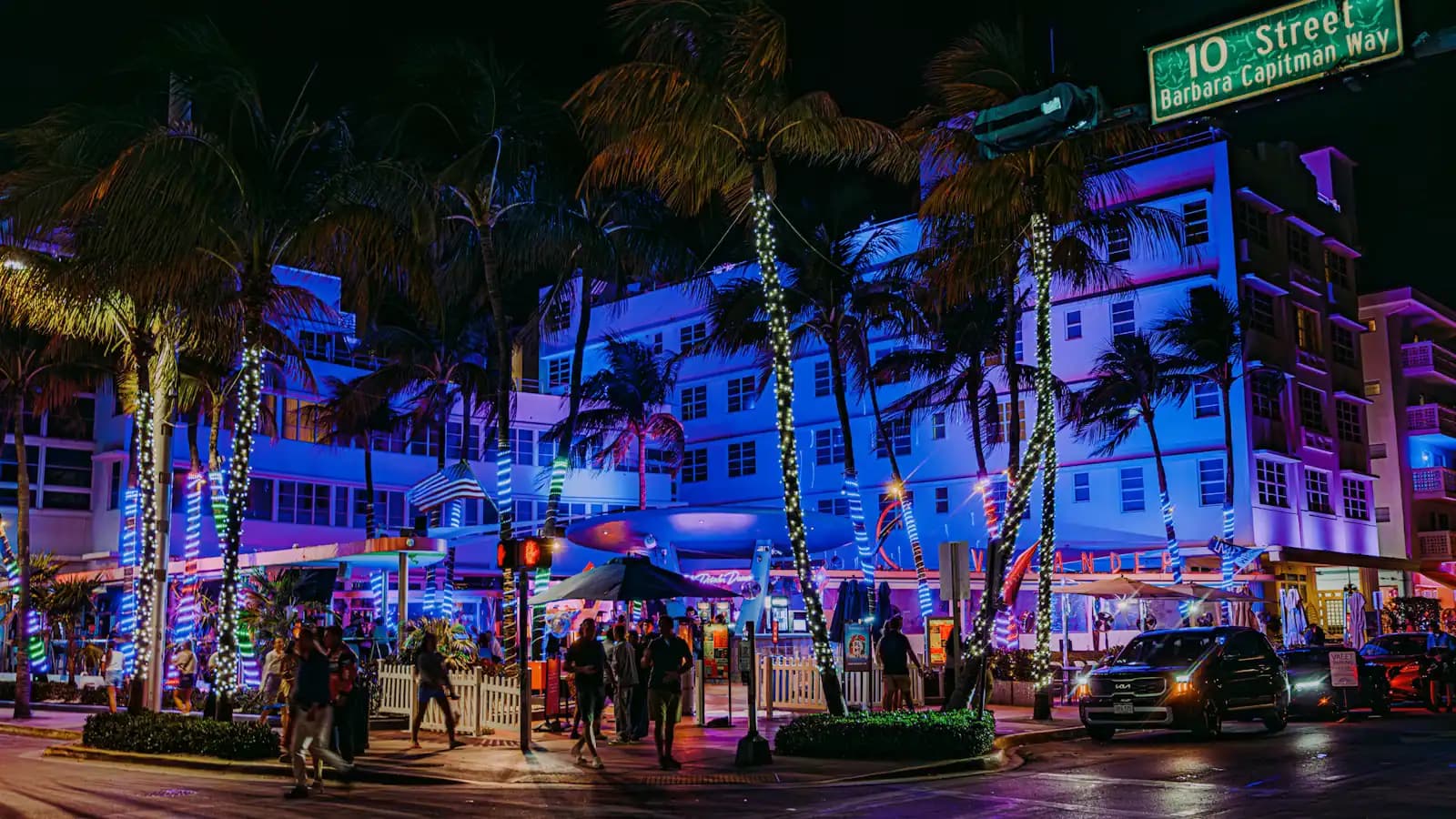
The Art Deco streets after dark are the free headline. Roughly 800 preserved buildings sit between about 5th and 23rd Streets, and a good number of the Ocean Drive and Collins hotels light their neon after sunset — which is when the district looks most like the thing it is famous for. Walk Ocean Drive north, cut inland to Washington, come back along Española Way. It costs nothing and takes an hour.

Ocean Drive itself, honestly. It is the most photographed and least loved block on the island. Menus on the strip are priced for people who will not return, many of the restaurants add an automatic service charge that has to be disclosed on the menu, and the pavement hustle is constant. Look at it, photograph it, and eat two streets west.

Lincoln Road is the pedestrian spine, open late, partly covered, and busier at ten than at two in the afternoon. The good side streets run off it rather than along it.

The west side is the quiet one. Sunset Harbour and the bayside blocks face the mainland skyline, which is the direction the sun actually sets in here, and they are where islanders eat when they are not working.

With children at nine o'clock, the island is the easier side: the deco walk, an ice cream on Lincoln Road and the sound of the ocean is a complete evening, and nothing about it requires a car.

The two free nights a month worth planning around

Local tips

Both are neighbourhood events that welcome visitors rather than productions staged for them, and both are free to attend.

Wynwood Art Walk, the second Saturday. Galleries open late, the district fills, and the ticketed mural courtyard has historically opened free from about five to ten that evening. It is the one night a month when Wynwood's art and Wynwood's nightlife are the same event rather than two different ones. It is also, by some distance, the busiest the district gets, so arrive before eight if you want to see walls rather than shoulders.

Viernes Culturales, the last Friday. Part of Calle Ocho closes between 13th and 22nd avenues from five to ten for a free arts and music festival that has run for more than two decades, with local artists, live music and a free walking tour led by a city historian. Go hungry.

Both finish around ten, which is early for this city. Treat them as the first half of an evening: the Art Walk hands you straight into Wynwood's bars, and Viernes Culturales hands you into the live-music rooms further along Calle Ocho.

If your dates include a second Saturday, note that the same day is also when the downtown art museum is free to everyone. A free museum in the afternoon and a free art district in the evening is the best-value date on the Miami calendar, and it repeats every month.

On the water after dark

The water is the one category that is often better at night here than in the afternoon, for a meteorological reason. In the wet season, roughly May to October, storms build through the middle of the day and open somewhere between two and six. Operators cancel for lightning, so a two o'clock departure in August is a gamble. A seven or eight o'clock departure frequently is not, because the cell has moved through and the air behind it is clear.

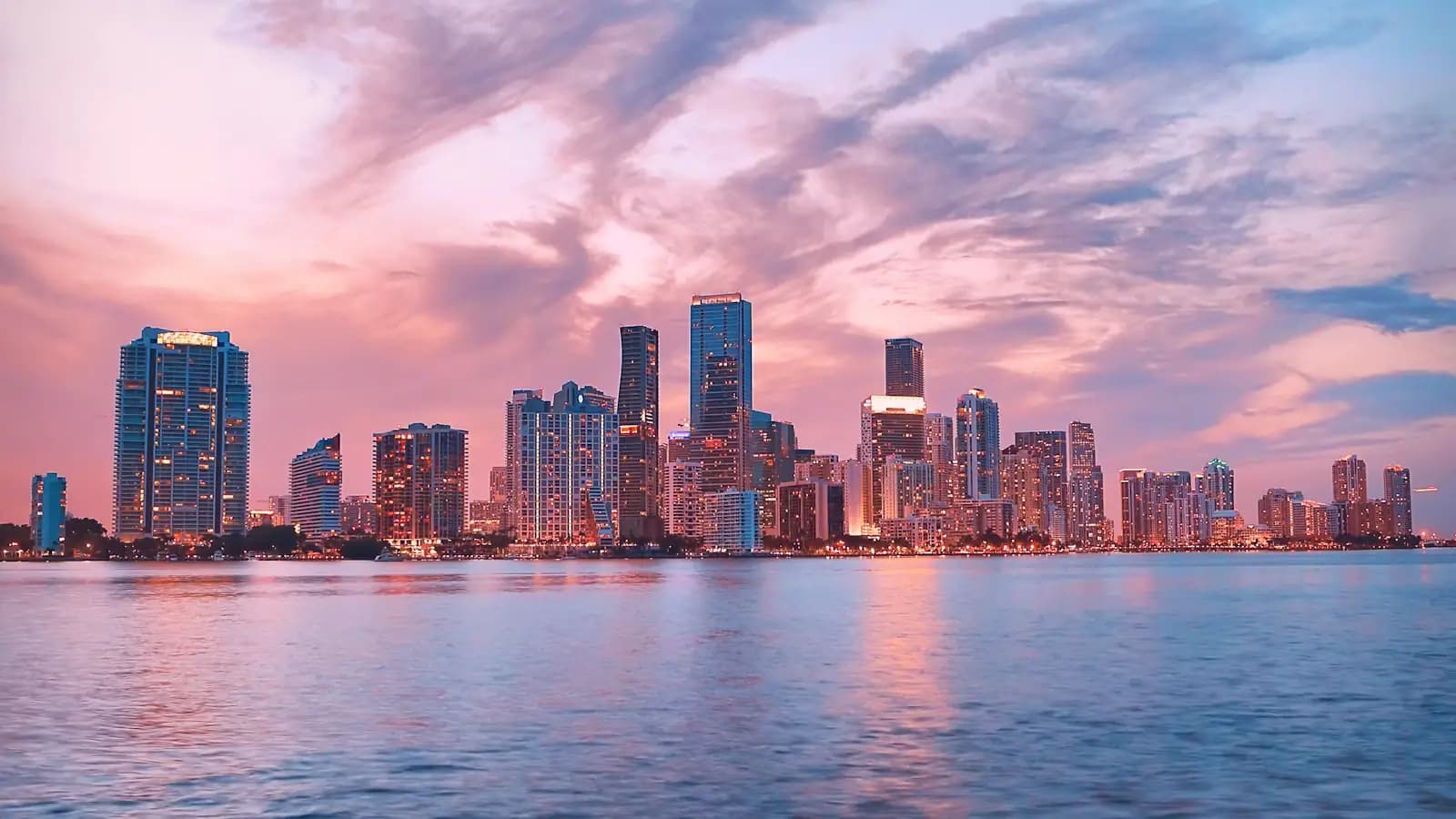
What that buys you: the skyline from the bay, which is the single best view of this city and one you cannot get from any street. The towers of Brickell and downtown light up, the causeways string across the water, and the whole two-city geography that makes Miami awkward to plan finally makes visual sense.

Three practical notes. Evening departures leave from the downtown waterfront and from the Miami Beach marinas, so check which side of the bay your boat leaves from before you book — turning up at the wrong marina at eight o'clock is an expensive mistake. Bring a layer: it is cooler on open water than on a street, especially between December and March. And a bay cruise is a different product from a party boat with a bar; the listing will tell you which one you have, and the difference matters more at night than it does at noon.

Swimming at night is a separate question, and the answer is no. There are no lifeguards after seven, the water is unlit, and Miami Beach's beach rules are enforced after dark.

The ride home, which is the part that costs money

What it costs

Bands, not quotes. Verify before you rely on any of them.

  • Nothing free crosses the bay, ever. The Metromover covers the mainland core and the trolleys cover the island, and they stop before the night does. A late crossing is a paid ride in both directions.
  • Figure $15 to $30 for a mainland hop between Brickell, downtown, Wynwood and Little Havana at a normal hour, and more across a causeway.
  • Surge is event-shaped, not just hour-shaped. A concert or a game at the downtown arena empties several thousand people onto the same streets in the same fifteen minutes. If your night ends near one, walk ten minutes away from it before you open the app.
  • Two in the morning is the worst single moment on the island, because the entertainment district's 2am cutoff pushes a large number of people outside at once. Leave at half past one or at three.
  • Driving yourself is the expensive option, not the cheap one. South Beach meters run about $4 an hour and garages roughly $20 to $30 for a day, on a different payment app from the City of Miami's. Add that to the drink you then cannot have.
  • Metrobus runs some overnight routes at $2.25 a trip with a stored-value card, and the daily fare cap is around $5.65. Coverage at three in the morning is thin and route-specific; check before you depend on it rather than after.

Book it

What you can book

We could not find tours matching this right now

Nothing came back for Miami night tour. Operators add and retire experiences constantly, so this list changes week to week. Try a broader category, or come back in a day or two.

Pick the side you are already on

Before you book

The bay is five or six miles wide where most people cross it, and at night that distance behaves in two completely different ways depending on the hour.

Between about nine and midnight, a causeway crossing is quick — often ten to fifteen minutes, because the commuter peak is long gone. That is the window in which a cross-bay evening is defensible.

After midnight it changes character rather than duration. The roads are still clear, but you are now buying a ride at the hour when everyone else wants one, and after an event at the downtown arena or on a Saturday in high season that is a surge-priced car in each direction. Two crossings at two in the morning can cost more than the dinner did.

So the rule for tonight is the same as the rule for the day, with a different reason behind it. Cross before midnight or not at all. If you are on the island, have your whole night on the island. If you are on the mainland, do the same. The one exception worth making is a booked table or a ticketed show, where the destination is fixed and the crossing is the price of admission — in which case go early, eat, and come back before one.

One genuine advantage of the island at night: everything is within walking distance of everything else, and the free trolleys run until about eleven. One genuine advantage of the mainland: it stays open later.

On the ground

Where to go

Every place below has its own page — hours, parking, what it costs and what to expect when you get there.

  • Older men playing dominoes at outdoor tables under a shaded shelter in a city park
    Free
    Neighbourhood

    Little Havana

    Ninety minutes of walkable Calle Ocho, best between eleven and two on a weekday — and almost never worth doing after dark.

    1.5–4 hoursFree to walk. Coffee, food, cigars and guided food walks are the only costs, and the first two are among the best value in Miami.

  • A wide sandy beach with rows of parasols and a line of low buildings set well back from the water
    Free
    Beach

    South Beach

    Budget three hours minimum, because the sand is only half of it — the causeway takes the rest of your afternoon.

    2–6 hoursThe beach itself is free. Parking is not, and loungers and umbrellas from the hotel concessions are rented by the day.

  • The elevated Riverwalk Metromover station and its concrete guideway between downtown Miami towers
    Free
    Landmark

    Metromover

    Thirty free minutes with a skyline view, and the only reliable dry seat in downtown Miami when a storm arrives.

    0.5–1 hoursCompletely free. There is no ticket, no tap and no gate on any of the 21 stations or three loops.

  • Visitors walking between painted walls in an enclosed open-air mural courtyard on a bright day
    Landmark

    Wynwood Walls

    A forty-five minute courtyard inside a two-hour district: the block only works before noon, and it chains north.

    1–3 hoursThe courtyard is ticketed; published adult prices have ranged from roughly $12 to the mid-$30s depending on seller and ticket type. The murals on the surrounding streets are free.

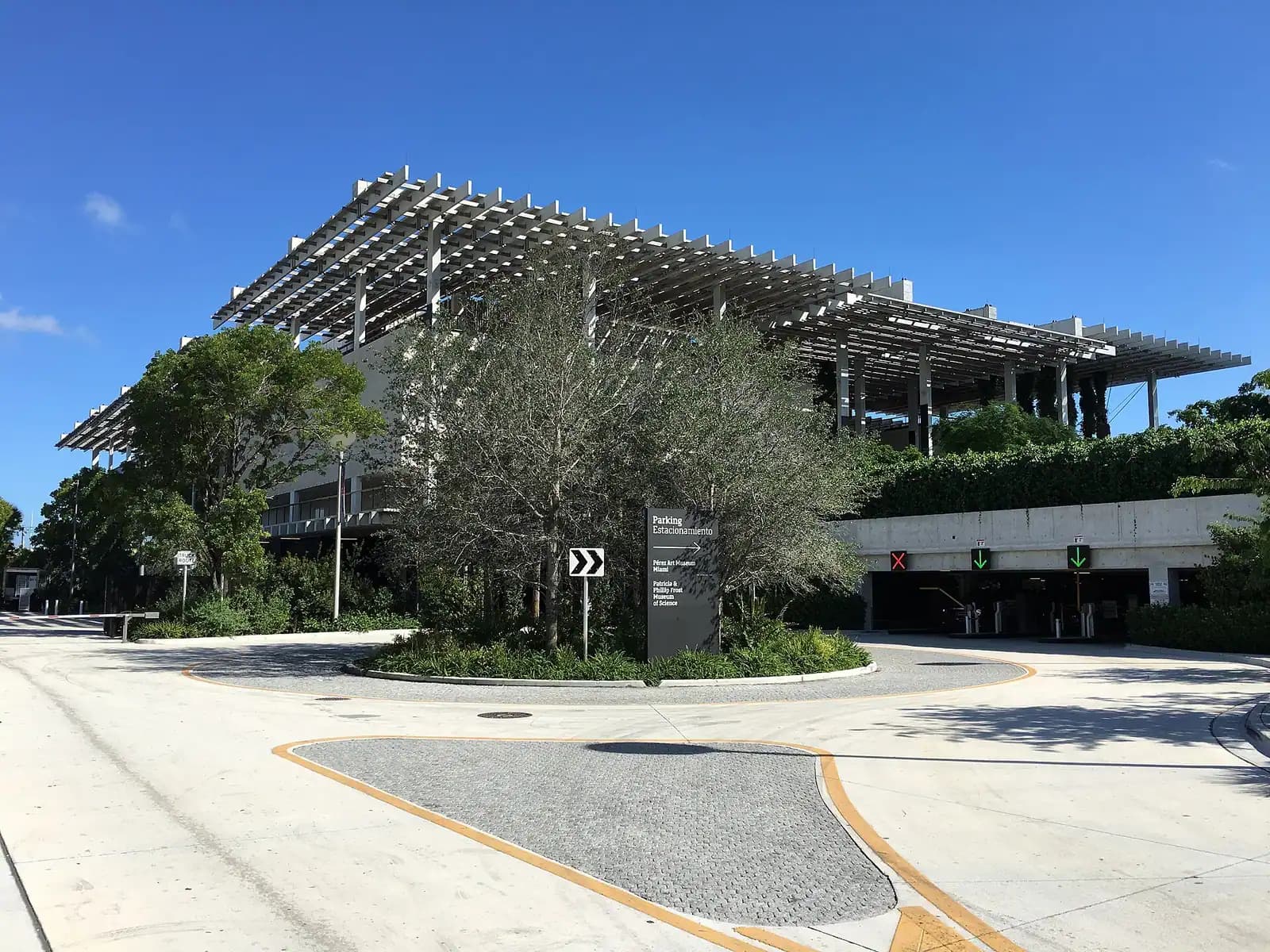
  • A wide covered terrace overlooking calm bay water with hanging planted columns along its edge
    Museum

    Pérez Art Museum Miami

    Ninety minutes, a recurring free evening, and a shaded bayfront veranda you can sit on without a ticket.

    1–2 hoursTicketed, with adult admission recently listed in the mid-teens and reduced rates for youth, students and seniors. Free entry has run on Thursday evenings and on the second Saturday of each month.

  • Glass residential towers rising above a tree-lined city street at dusk
    Free
    Neighbourhood

    Brickell

    The only part of Miami where the travel time between two things is four minutes on foot.

    1.5–4 hoursFree to walk, and the Metromover through it costs nothing. Food, drink and parking are the only expenses.

  • A pedestrianised shopping street with cafe tables set out beneath trees and awnings
    Free
    Shopping

    Lincoln Road

    Eight pedestrian blocks, ten minutes from the sand, and the only reliable cover on the island when the sky opens.

    1–3 hoursFree to walk, and the free outdoor programming at the eastern end costs nothing when it is running. Food, shopping and parking are the only expenses.

  • Pleasure boats moored in a downtown marina with office towers rising behind them
    Free
    Shopping

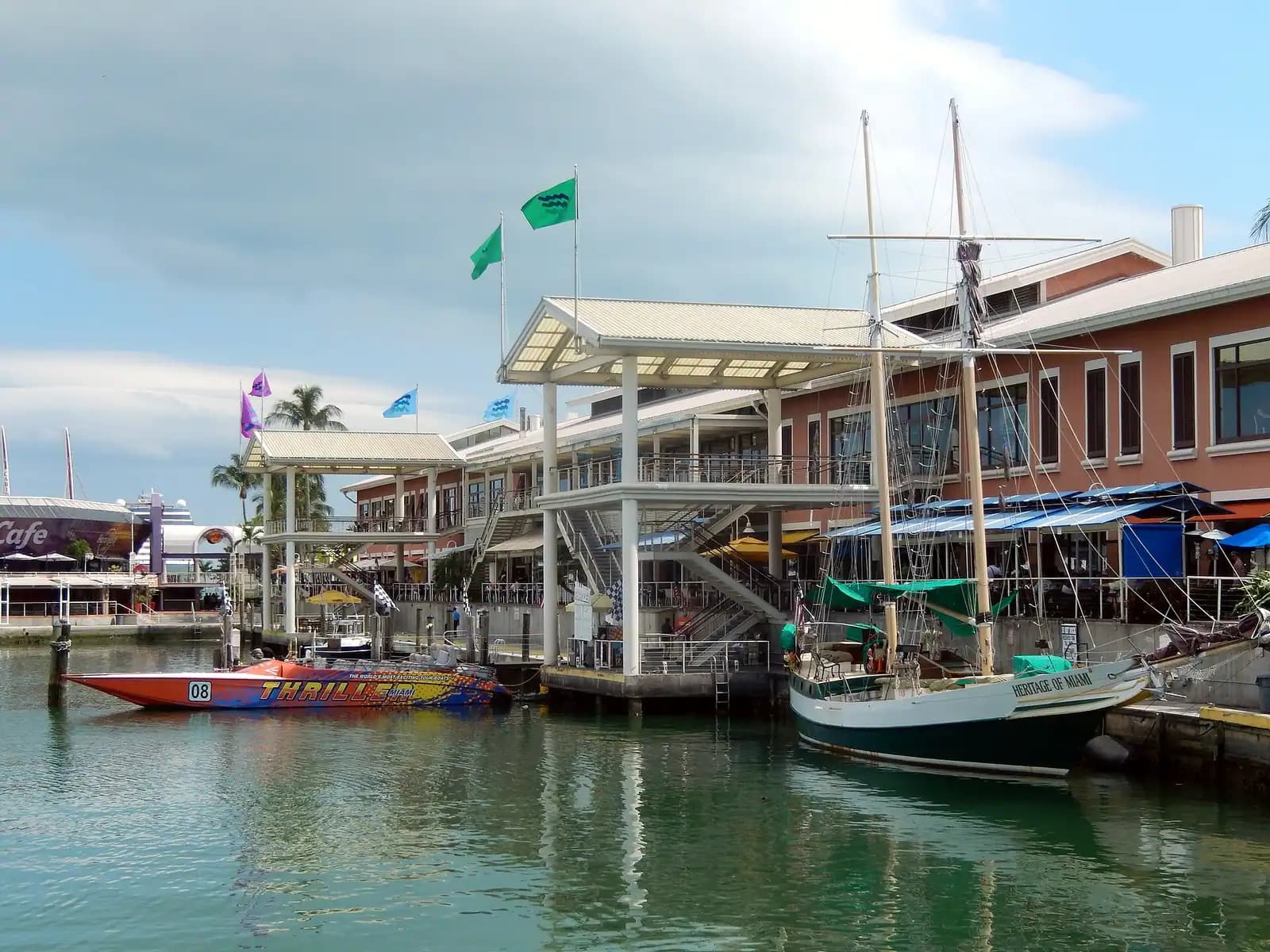
    Bayside Marketplace

    Where your boat leaves from. Arrive thirty minutes early, and know exactly what to do with those thirty minutes.

    1–2.5 hoursFree to enter and walk. Bay cruises, speedboat rides and the observation wheel are each ticketed separately by their operators.

Straight answers

Questions people actually ask

What is there to do in Miami tonight?

Start by deciding not to cross the bay. On the island, walk the lit Art Deco blocks between about 5th and 23rd Streets, eat two streets west of Ocean Drive, and finish on Lincoln Road. On the mainland, take the Metromover through Brickell while it is running, then choose between Wynwood's bars and the live-music rooms on Calle Ocho. On the water, an evening bay cruise gives you the lit skyline, which no street can.

What time do bars close in Miami Beach?

In the South Beach entertainment district — along Ocean Drive and Collins Avenue south of 16th Street — alcohol service stops at 2am under an ordinance the city's voters approved, with venue exemptions that have been amended more than once. Other parts of Miami Beach and the mainland cities keep their own rules, and some downtown, Brickell and Wynwood venues serve later. Check the specific venue rather than assuming a citywide time.

Can you go to the beach in Miami at night?

You can walk near it, but it is not the evening people imagine. Ocean-rescue lifeguards come off the towers at 7pm, beach parking lots are posted to close an hour before sunset and that is enforced, and alcohol, glass and smoking are prohibited on Miami Beach's city beaches. Swimming after dark is unlit and unsupervised. The lit deco streets one block inland are the better night walk.

What is free to do in Miami at night?

Every night, the Art Deco district's lit façades between about 5th and 23rd Streets, the Lincoln Road pedestrian spine, the downtown baywalk and the Metromover while it is still running. Twice a month there is more: the Wynwood Art Walk on the second Saturday, with the mural courtyard historically free from about 5pm to 10pm, and Viernes Culturales on the last Friday, 5–10pm on Calle Ocho between 13th and 22nd avenues.

Is Miami or Miami Beach better for a night out?

They suit different nights. Miami Beach is walkable end to end, the free trolleys run until about 11pm, and the deco streets are the best free thing after dark — but the entertainment district south of 16th Street stops serving at 2am. The mainland runs later and is where a night meant to go past two should start, though you will pay for a ride between Brickell, Wynwood and Little Havana rather than walking.

What time do people eat dinner in Miami?

Later than most visitors expect. Nine o'clock is a normal hour to sit down and ten is unremarkable in the Latin neighbourhoods, which is why a seven o'clock table gets you an empty room. If you want the room at its best, book for nine. If you want to be finished in time for a show or a late departure, book at seven deliberately and accept the quiet.

How do you get home in Miami late at night?

By paid ride, almost always. Miami Beach's free trolleys stop around 11pm, the fare-free Metromover ends its service day in the late evening and neither crosses the bay. Budget $15 to $30 for a mainland hop and more across a causeway, and expect surge at 2am on the island and immediately after any event at the downtown arena. Walking ten minutes away from a venue before ordering usually helps.

Are there things to do in Miami at night with kids?

Yes, and the island is the easier side for it. The lit Art Deco blocks, an ice cream on Lincoln Road and the sound of the ocean make a complete evening with no car and no booking. On the mainland, the downtown bayfront and Bayside are the obvious late option, and an early evening bay cruise works well for children who will not last until a 10pm dinner.