Skip to content
Search
Menu

We earn a commission if you book through this link. You pay the same price.

Plan your trip

When to Come, and What Each Month Does to Your Day

Last updated

The best time to visit Miami, read as a planning problem: the storm hour, booking lead times, three weeks to avoid, and how far the evening moves.

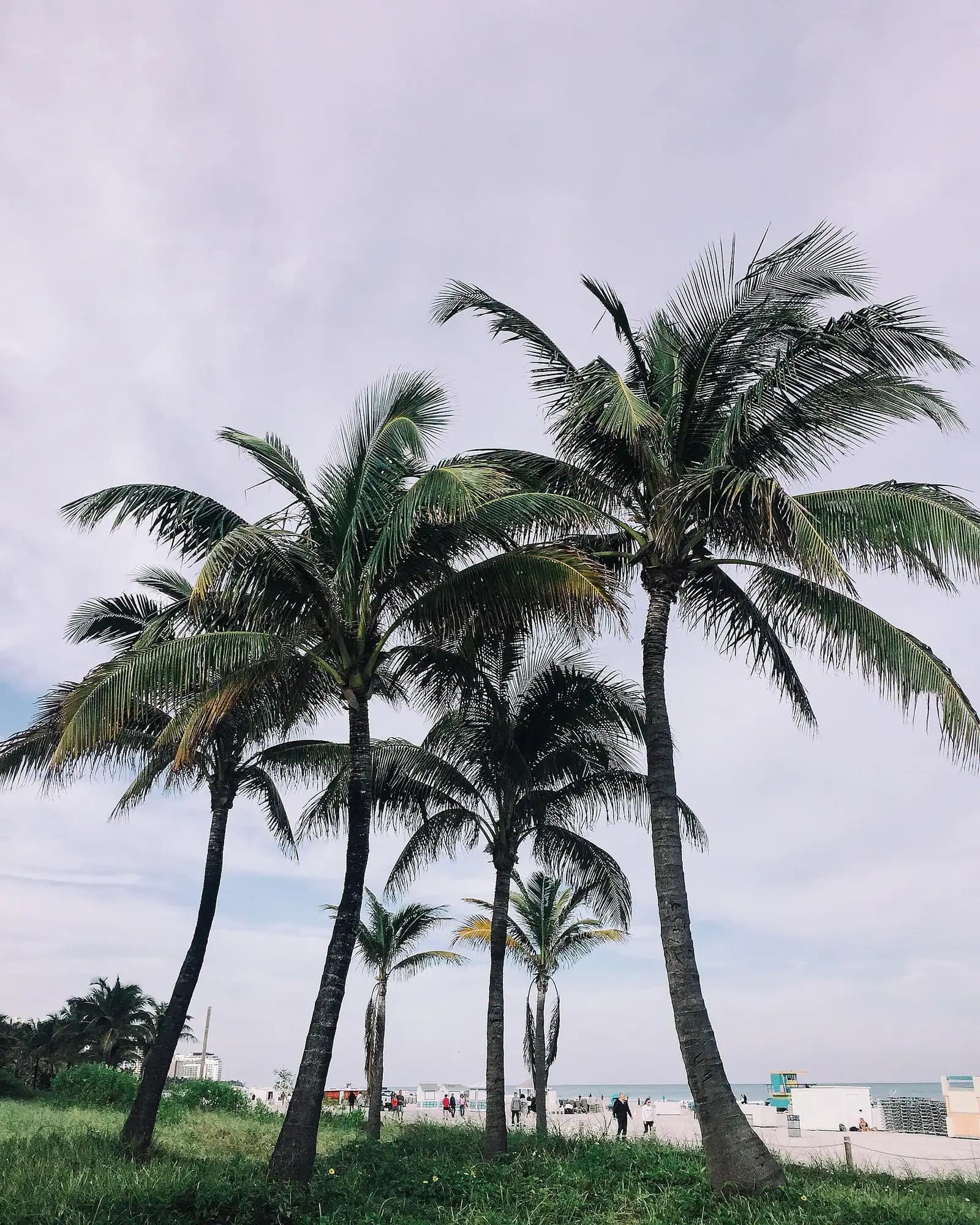
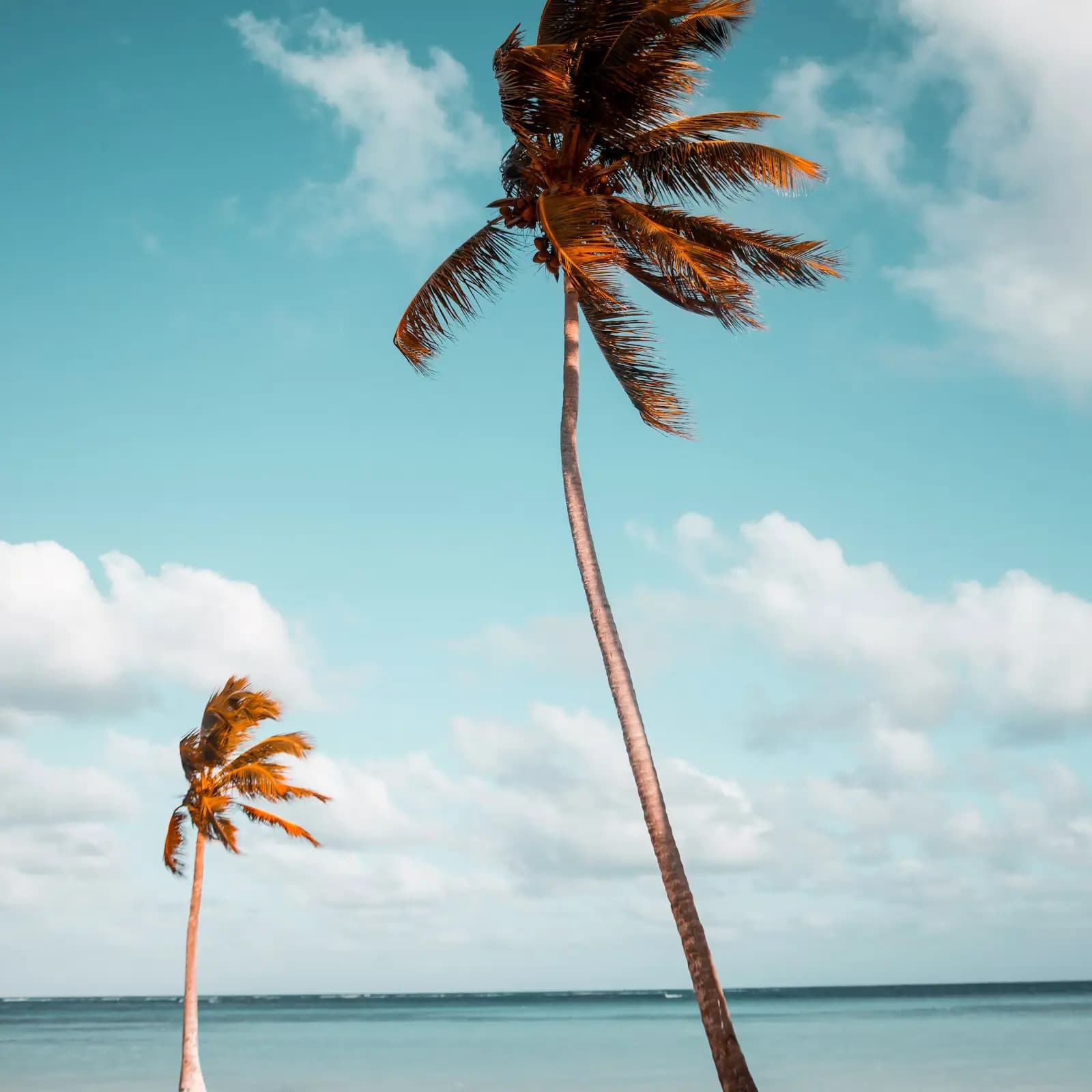
Coconut palm fronds moving against a bright blue sky with cloud building behind themUnsplash

Most "best time to visit" advice is about comfort. This one is about structure, because the month you come here does not simply change the temperature. It changes what order you are allowed to do things in.

From roughly June to October a Miami day has a shape imposed on it. The morning is bright and hot, cloud builds inland through lunch, a thunderstorm arrives between two and five for thirty or forty minutes, and the evening is long and gold. That is not a washout, it is a timetable: water before noon, indoors from two to four, outside again from five. From roughly November to April there is no storm hour at all, and the day can be built in any order you like. That single difference matters more to a trip than the ten-degree gap in the averages.

What replaces the weather as a constraint in the dry season is other people. December through April is peak here, and the practical effect is on lead times rather than on your daily rhythm: morning tour slots go first, dinner needs booking, beach park car parks fill by mid-morning at weekends, and the causeways carry holiday traffic on weekday afternoons as well as at rush hour. In August and September you can book a good boat trip the day before. In February you cannot.

Then there is the calendar, which moves prices in this city more sharply than the seasons do. Three periods end spontaneous planning: Art Basel week in early December, which in 2026 meant 4 to 6 December with VIP days from the 2nd and fairs across the city from 30 November; the busiest mid-March weekends, when Miami Beach has run restrictions that change year to year; and Ultra in late March, which closes streets downtown. None of them is a reason not to come. All of them are a reason to know before you book.

The last variable is daylight, and it moves further than people expect. Sunset here runs from about 5:30pm at the end of November to about 8:17pm at the start of July. In December the golden hour is an early drink and dinner happens in the dark. In July you can still be on the sand at eight. That changes what an evening is, which changes what a day is, and it is the reason a winter trip and a summer trip here are different holidays rather than the same holiday at different temperatures.

Two timetables, not four seasons

When to go

Forget spring and autumn. This city runs on two operating modes, and knowing which one you have booked tells you almost everything.

Storm-hour mode, roughly June to October. The day has a fixed order. Anything with a hull goes in the morning, because operators cancel for lightning rather than rain and lightning is an afternoon event. The two-to-four block goes indoors or under a roof. Five o'clock onwards is prime outdoor time and the best light of the day. Plan in that order and the wet season costs you almost nothing except humidity. Plan against it and you will lose an afternoon a week and blame the forecast.

Open mode, roughly November to April. No storm hour, low humidity, and the day can be arranged however suits you: a boat at two, a museum at ten, dinner outside at eight without a contingency. This is what people picture when they picture Miami, and it is the reason the rates are what they are.

The two shoulder passages are the useful weeks. Late April and May sit in open mode with wet-season prices and warm water. The first half of November has flipped to open mode while the summer rates are still in effect and before the art-week surge begins. If you are choosing purely on value, those are the two windows, and almost nobody says so out loud.

One thing that does not change with the mode. The UV index here is high all year, and the sea breeze hides it. A January sunburn is as easy to get as a July one, and it costs you the same trip.

How far the evening moves across the year

When to go

Sunset here swings by nearly three hours, and it reshapes the day more than the temperature does.

Late November is the earliest. Sunset lands around 5:30pm at the end of the month. That means the golden hour is an early drink, dinner happens fully in the dark, and an afternoon activity that finishes at five has effectively finished the day. On a short winter trip, front-load everything outdoors: the useful daylight ends before most people have thought about the evening.

Early July is the latest, at about 8:17pm. The light lasts so long that the sand is still pleasant at half past seven, a sunset sail departs at an hour that would be dinner in December, and you can genuinely do two outdoor blocks after the storm hour has cleared.

The practical consequences.

  • Winter: put the one outdoor thing you care about in the afternoon, not the evening. Book sunset boats for what feels absurdly early.
  • Summer: the five-to-eight block is the best part of the day and the least used. Everything crowded at two is empty at six.
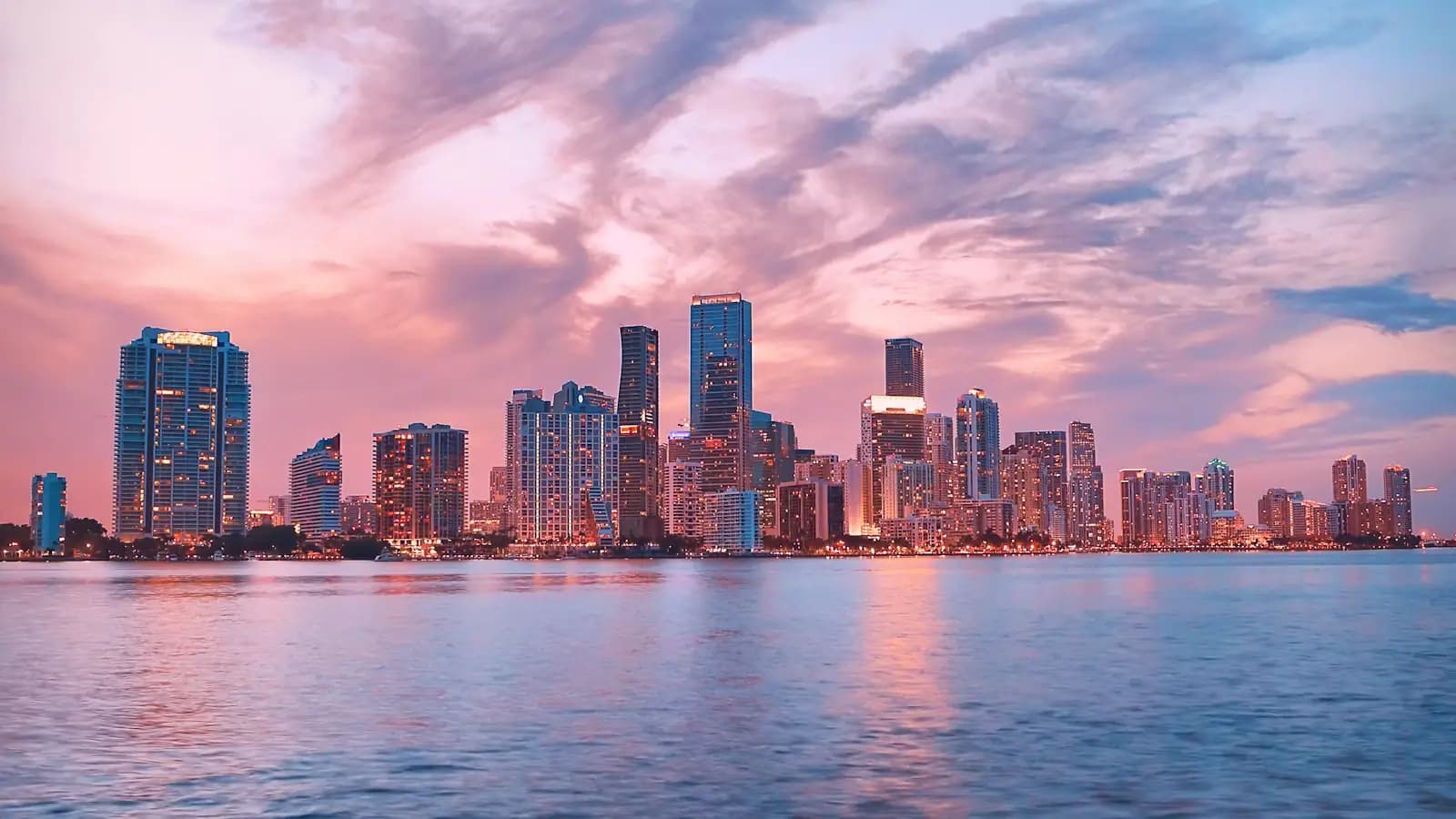
  • All year: Miami Beach faces east. The ocean gets the sunrise; the sun sets behind the mainland skyline over the bay. If a sunset matters to you, be on a west-facing shore or on the water, whatever month it is.
  • Sunrise is the reverse gift. It comes before seven for much of the year and the ocean beaches are empty for it, which makes it the one free, uncrowded, reliably beautiful thing on the calendar in every single month.

The cheap months, and exactly what you give up

What it costs

Bands, and verify before booking. The honest version of the trade, rather than the marketing one.

August and September are the cheapest. Room rates on both sides of the bay hit their annual floor, sometimes at half what the same room costs in February. September in particular has the emptiest weeks of the year, which means walk-ins work and morning tours have space the day before. What you give up: a heat index that regularly passes a hundred by early afternoon, humidity that does not relent overnight, the statistical peak of hurricane season, and the start of the king-tide windows.

The compensation nobody mentions. From August the city's fixed-price restaurant promotion runs, which in 2026 extended through 31 October at published prices in the region of $40 for lunch and $50 to $65 for dinner. It makes the most expensive part of a Miami trip — eating well — the cheap part, and it is over before the winter season starts. Confirm the current dates and prices before you plan around it.

Late April, May and the first half of November are the value windows. Prices well off peak, water warm, light long, no festival distorting the city and, in the November case, the humidity already broken. These are the weeks to take if the aim is a workable trip rather than a status weekend.

February and March are the most expensive and the most pleasant, in that order. You are paying for the absence of a storm hour, and it is a real thing to pay for. Just know that is what the money is buying.

Where the savings actually come from. Not the season, in most cases. Staying on the side of the bay where you want to spend your evenings removes a causeway crossing from every day of the trip, which saves more than the difference between a July room and a February one.
Book it

What you can book

We could not find tours matching this right now

Nothing came back for Miami boat tour. Operators add and retire experiences constantly, so this list changes week to week. Try a broader category, or come back in a day or two.

What each month does to a day here

How they compare

Not temperatures — those are in the forecast. This is what the month does to your planning.

MonthThe day's shapeBook ahead byWhat breaks
JanuaryAny order you like. No storm hour2–3 days for morning slots, longer for dinnerA cold front can drop evenings into the 50s for a day or two
FebruaryAny order. The best weather of the yearA week for anything popularNothing, except the price. Peak rates, peak queues
MarchAny order, but the city is fullA week, more at weekendsMid-March beach restrictions and Ultra street closures downtown
AprilAny order. Water warming, crowds thinning2–3 daysSargassum starts arriving on the ocean beaches
MayStorm hour begins late in the monthA day or twoVery little. Quietly the best value month of the year
JuneWater before noon, indoors at twoA dayHurricane season opens; take refundable rates from here on
JulyWater before noon, long light to eightA dayHeat index above 100 by early afternoon most days
AugustWater before noon. Warmest water of the yearSame day is often finePeak heat, peak humidity, start of the statistical storm peak
SeptemberSame, plus king tides beginSame dayThe emptiest weeks of the year, and the highest storm risk
OctoberStorm hour fading through the monthSame day or nextKing tides continue; ocean water still warm
NovemberAny order by mid-month. Humidity breaks2–3 days, then much longer late in the monthArt Week begins at the end of the month
DecemberAny order, at peak pricesA week, and much longer for Art Basel datesArt Basel and the holiday fortnight, back to back

Read the second column. It is the practical difference between seasons here. In the wet months the city is available at short notice, which is a genuine feature: you can wake up, look at the sky and decide. In the dry months a plan made two days ahead is often a plan that no longer has space in it.

The three periods that end spontaneous planning

Before you book

Art Basel and Miami Art Week, early December. In 2026 the fair ran 4 to 6 December at the convention centre, with VIP days from the 2nd and satellite fairs across the city from 30 November. For those ten days hotel rates roughly double, restaurants fill with people on expense accounts, Wynwood and the island are solid, and rideshare surges every evening. If the art is why you came, it is the best week of the year. If it is not, move your trip by a fortnight in either direction and save a great deal of money.

The busiest weekends of mid-March. Spring break fills South Beach, and the City of Miami Beach has responded in recent years with a changing mix of measures — security checkpoints, vehicle restrictions on and around Ocean Drive, earlier closing times. What matters for planning is that these measures are specific to the island and change from year to year. The mainland is largely unaffected: Wynwood, Little Havana, Brickell, the Grove and the museums carry on exactly as normal. Check the current year's arrangements before booking an island hotel for that fortnight.

Ultra and Miami Music Week, late March. Bayfront Park downtown closes to everything else and the surrounding streets close with it. Rideshare becomes slow and expensive at exactly the wrong hours, and the transit authority has run extended Metrorail and Metromover hours to cope. A downtown hotel that week is either the best decision of your trip or the worst, depending entirely on why you came.

And one week that is not a problem but feels like one. The fortnight around Christmas and New Year is peak on both sides of the bay, but it is peak in an ordinary holiday way: expensive, busy and functional. Nothing closes streets, and the weather in late December is usually excellent.

Hurricane season, read as a planning input rather than a fear

Before you book

The season runs 1 June to 30 November, with the statistical peak from August through October. It is the reason those months are cheap, and it deserves to be described accurately rather than either dramatised or ignored.

The likely version is not a direct hit. It is a system several hundred miles offshore that pushes swell and wind onto the coast, cancels charter departures for two or three days, and hands you grey skies with none of the drama. That outcome is far more common than an evacuation, and it is the one to plan for: it costs you the water, not the trip.

What to do about it, concretely. Take the refundable rate on hotels and the free-cancellation option on tours, which is standard in this market. Put anything on the water early in your trip rather than on the final afternoon, so a cancellation has somewhere to move to. Treat travel insurance in those months as part of the price rather than an upsell. And download the airline app before you fly, because waivers are issued days ahead and the people who rebook first get the seats.

What the city does. Storms are tracked for days in advance, Miami-Dade publishes evacuation zones that any hotel can tell you the answer for, and the infrastructure here is built for it. This is not a place that is surprised by weather.

The seasonal quirk nobody warns visitors about. From September through November, king tides — the highest tides of the year — push salt water up through storm drains and flood low-lying streets in Brickell, Mid-Beach and the Shores under a completely clear sky. Predicted windows are published in advance. It is not dangerous. It will soak your shoes, make your driver take a longer route, and confuse anyone who checks the forecast and sees sunshine.

On the ground

Where to go

Every place below has its own page — hours, parking, what it costs and what to expect when you get there.

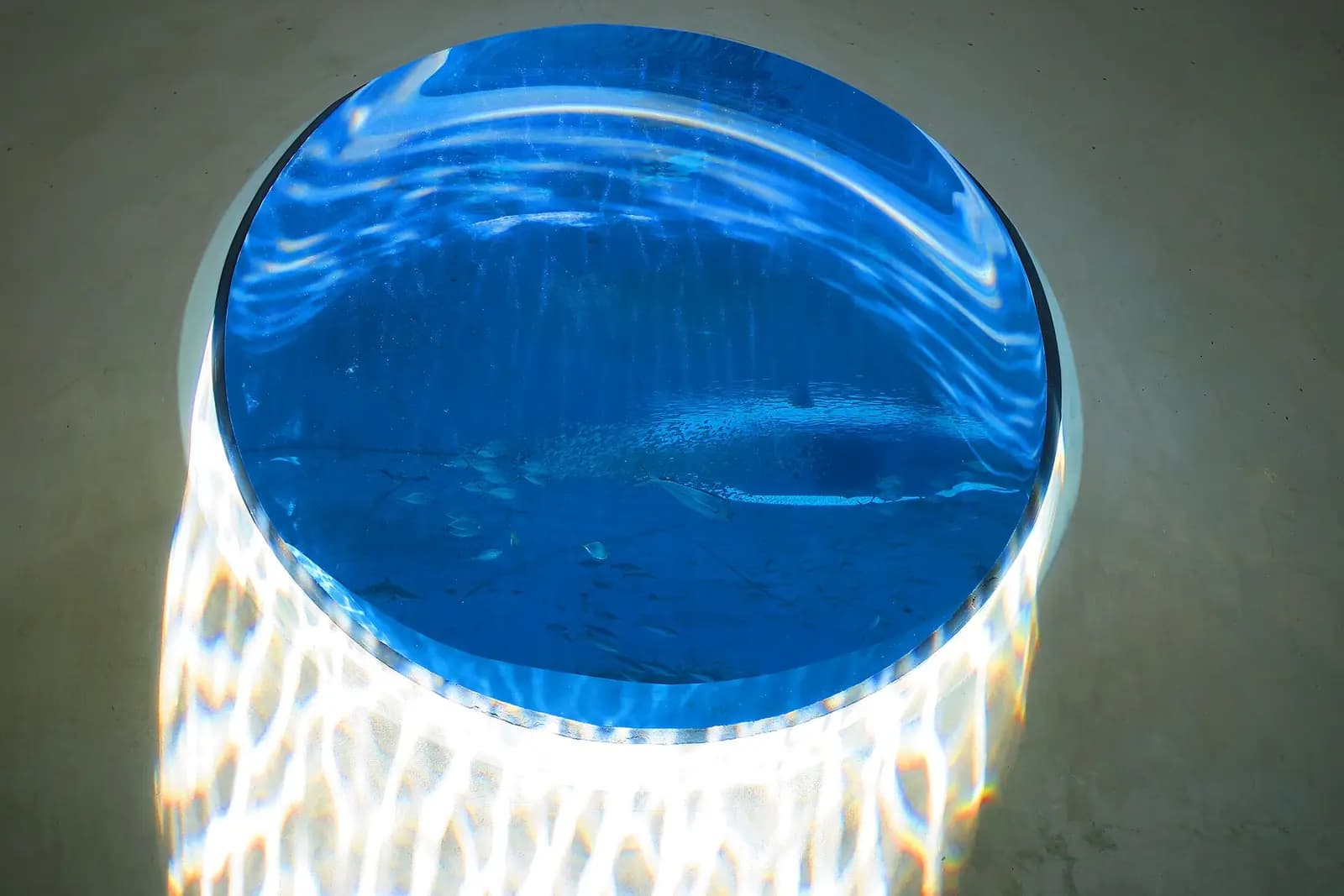
  • The acrylic oculus beneath the Gulf Stream Aquarium at Frost Science, seen from below with fish passing overhead
    Museum

    Phillip and Patricia Frost Museum of Science

    Book the planetarium show the minute you walk in — everything else about the visit arranges itself around that slot.

    2–4 hoursTicketed. Adult admission has recently been published in a range of roughly $23 to $30 depending on the day, with lower youth rates, and one planetarium show is normally included subject to availability.

  • A wide sandy beach with rows of parasols and a line of low buildings set well back from the water
    Free
    Beach

    South Beach

    Budget three hours minimum, because the sand is only half of it — the causeway takes the rest of your afternoon.

    2–6 hoursThe beach itself is free. Parking is not, and loungers and umbrellas from the hotel concessions are rented by the day.

  • An empty stretch of pale sand meeting calm shallow water under a clear sky
    Beach

    Key Biscayne

    Fifteen minutes from Brickell over a tolled causeway — closer than the beach everyone books, and a completely different kind of day.

    4–6 hoursThe causeway toll is a small electronic charge per crossing, and each beach park charges a separate per-vehicle entry fee at the gate. The island's roads and village are free to drive through.

  • Visitors walking between painted walls in an enclosed open-air mural courtyard on a bright day
    Landmark

    Wynwood Walls

    A forty-five minute courtyard inside a two-hour district: the block only works before noon, and it chains north.

    1–3 hoursThe courtyard is ticketed; published adult prices have ranged from roughly $12 to the mid-$30s depending on seller and ticket type. The murals on the surrounding streets are free.

  • Flat wetland of tall sawgrass stretching to the horizon under a wide sky
    Wildlife

    Everglades Airboat Trips

    Four to five hours door to door, not the two the listing implies — and not inside the national park either.

    4–5.5 hoursTicketed per person by the operator, with hotel pickup packages priced above drive-yourself entry. Prices vary widely by operator, boat size and whether transfer is included.

Straight answers

Questions people actually ask

What is the best month to visit Miami?

Late April, May or the first half of November, if you want a workable trip rather than a status weekend. All three sit outside the storm-hour season or at its edges, the water is warm, the light is long, and the rates are well off peak with none of the three events that distort the city. February has the best weather and the worst value. August and September are the cheapest and the hottest.

What is the rainy season in Miami?

Roughly May or June through October, and it does not work the way northern visitors expect. A typical day is bright and hot through the morning, cloud builds inland through lunch, and a hard thunderstorm arrives between two and five for thirty or forty minutes before clearing into a long gold evening. It is a timetable rather than a washout: put water before noon, something with a roof at two, and go back outside at five.

Is it worth visiting Miami during hurricane season?

Usually, yes, and it is why those months are cheap. The season runs 1 June to 30 November, peaking August to October, and the common outcome is not a direct hit but a system offshore that cancels boat departures and hands you grey days. Take refundable rates, book anything on the water early in your trip rather than on the last afternoon, and treat travel insurance as part of the price.

When is the cheapest time to go to Miami?

August and September, when room rates on both sides of the bay hit their annual floor and September brings the emptiest weeks of the year. You give up a heat index that regularly passes a hundred by early afternoon, overnight humidity and the statistical peak of hurricane season. In exchange, walk-ins work, tours have space the day before, and the city's fixed-price restaurant promotion makes eating well genuinely cheap.

When should I avoid Miami?

Three periods, if spontaneity or budget matters. Art Basel week in early December — 4 to 6 December in 2026, with fairs from 30 November — roughly doubles hotel rates for about ten days. The busiest mid-March weekends bring restrictions on Miami Beach that change year to year, although the mainland is largely unaffected. And Ultra in late March closes streets downtown. Check the current year's dates before booking.

How much does daylight change across the year in Miami?

By nearly three hours at the end of the day, which is more than most visitors budget for. Sunset lands around 5:30pm at the end of November and about 8:17pm at the start of July. In December the useful outdoor part of the day finishes before most people have thought about dinner. In July there is room for a second outdoor block after the storm hour clears. Plan the last outdoor thing of the day around it.

How hot is Miami in summer?

Hot enough that the heat index rather than the temperature is what you plan around. From June through September it regularly passes a hundred by early afternoon, humidity stays high overnight, and an ambitious four-hour walking block that starts at eleven is a bad idea whatever is at the end of it. Shade between eleven and three is a scheduling decision. The mornings and the hours after five are excellent.

What is sargassum and when does it affect Miami beaches?

Brown floating seaweed that arrives on the Atlantic beaches in mats, mostly in late spring and summer, in volumes that vary enormously from year to year and week to week. It is harmless, it smells as it dries, and crews clear the busiest stretches. If it matters to you, the bay side and the sheltered beaches are largely unaffected, and a morning swim before the crews and the heat arrive is usually the better version anyway.