Miami is an outdoor city with a narrow outdoor timetable, and the gap between those two facts is where most visiting plans come apart. For roughly half the year the middle of the day is not usable for anything ambitious on foot. The heat index passes a hundred by early afternoon from June through September, the humidity stops sweat evaporating, and the breeze off the water hides a UV index that is high all year. People do not usually notice any of this until hour two.
So the organising idea here is rationing. There are two good outdoor windows in a Miami summer day — before about ten in the morning and after about five in the afternoon — and a third one in winter, which is all of it. Plan outdoor things into those windows and you will do more here, not less. Plan a four-hour walking block starting at noon in July and you will spend the evening in a hotel room with the curtains shut.
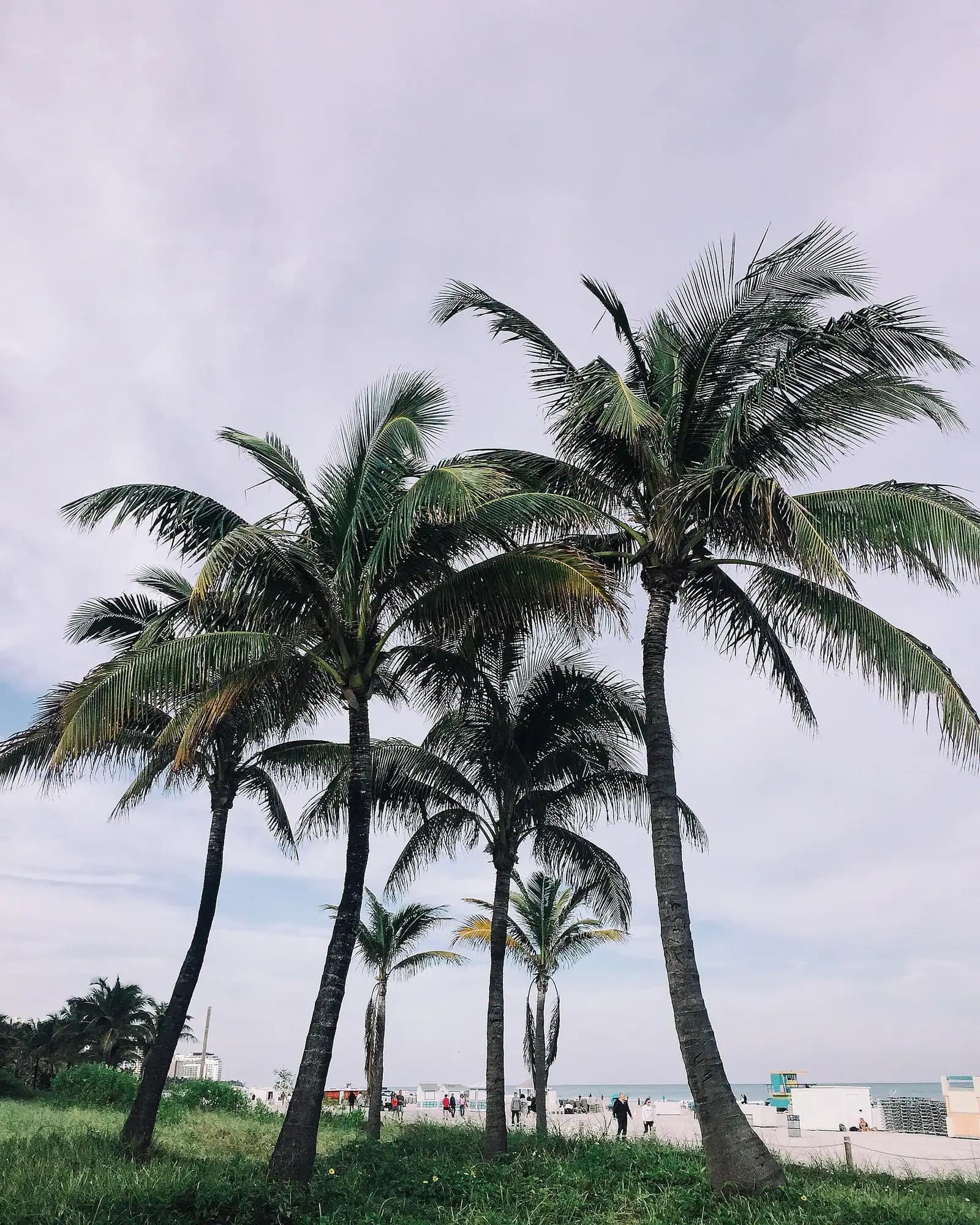
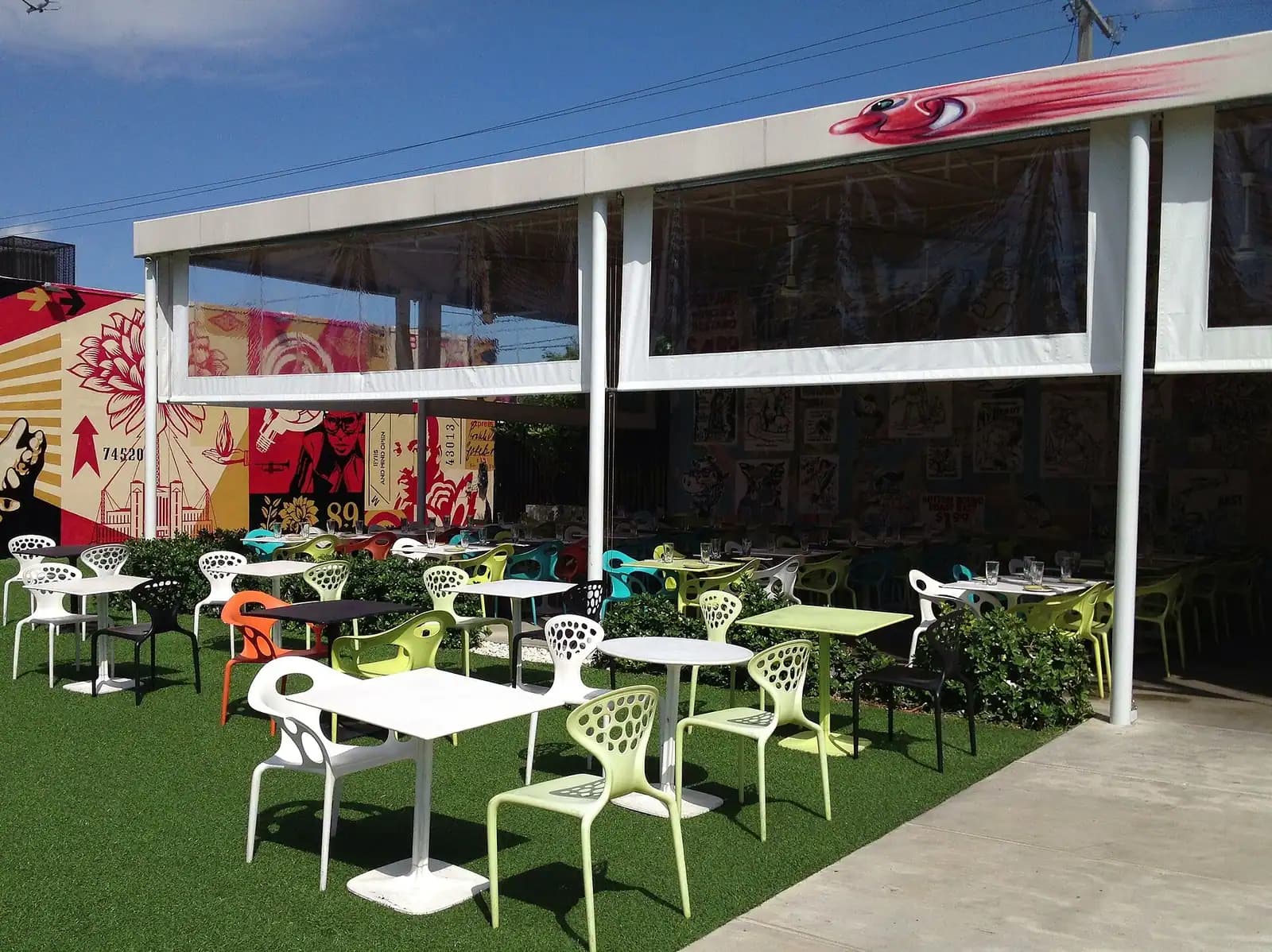
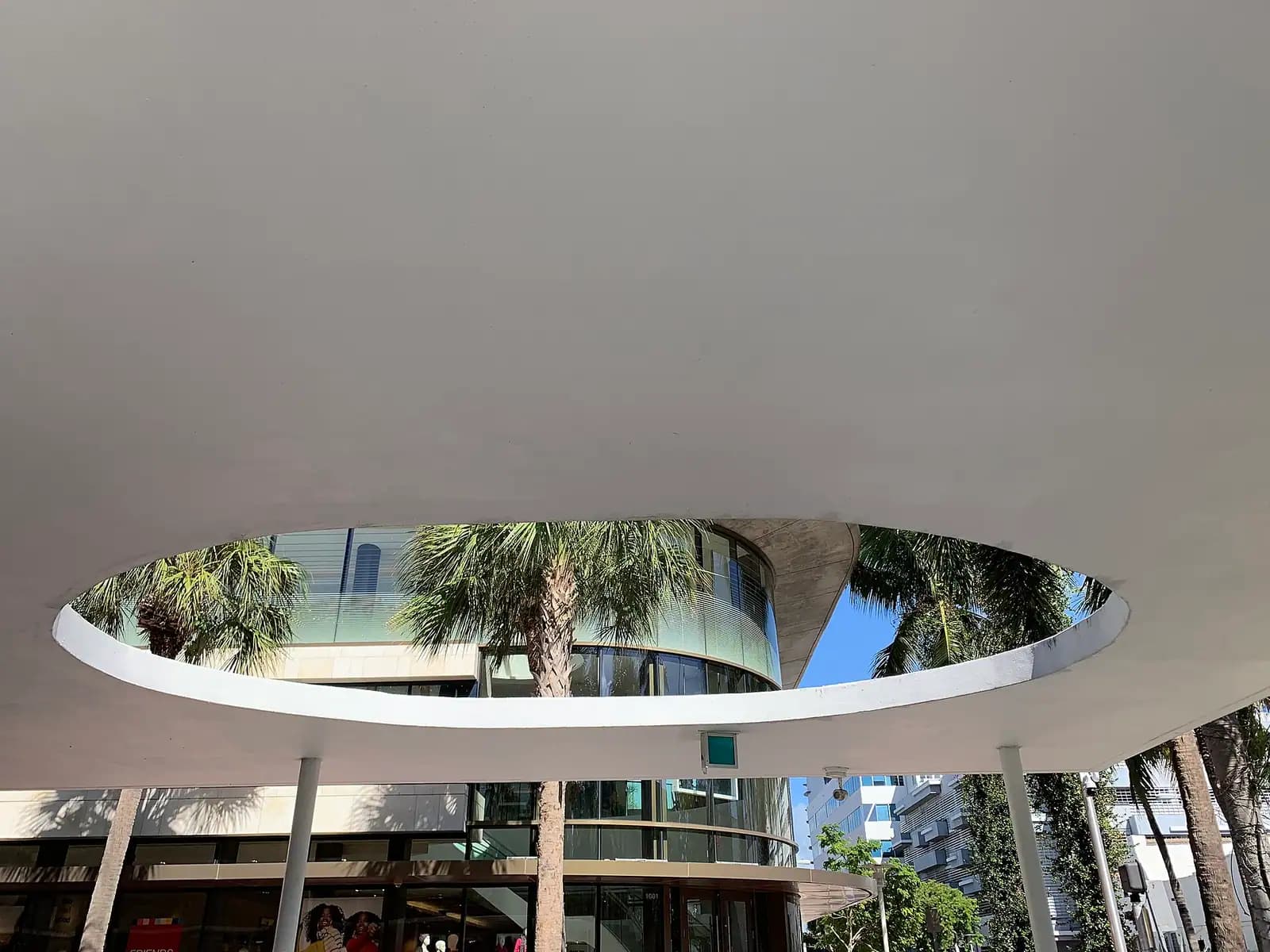
The second structural fact is shade, and it is in short supply exactly where visitors go. Wynwood is warehouse concrete with essentially no tree canopy. The beach has sand, water and no trees. The Art Deco blocks have palms, which cast a shadow roughly the width of a pole. The Design District's courtyards are architectural rather than arboreal. The genuinely shaded parts of this county — the banyan-lined streets of Coral Gables, Coconut Grove's canopy, the hammock at Matheson, the Australian pines at North Shore — are almost all places people do not plan a day around. They should.
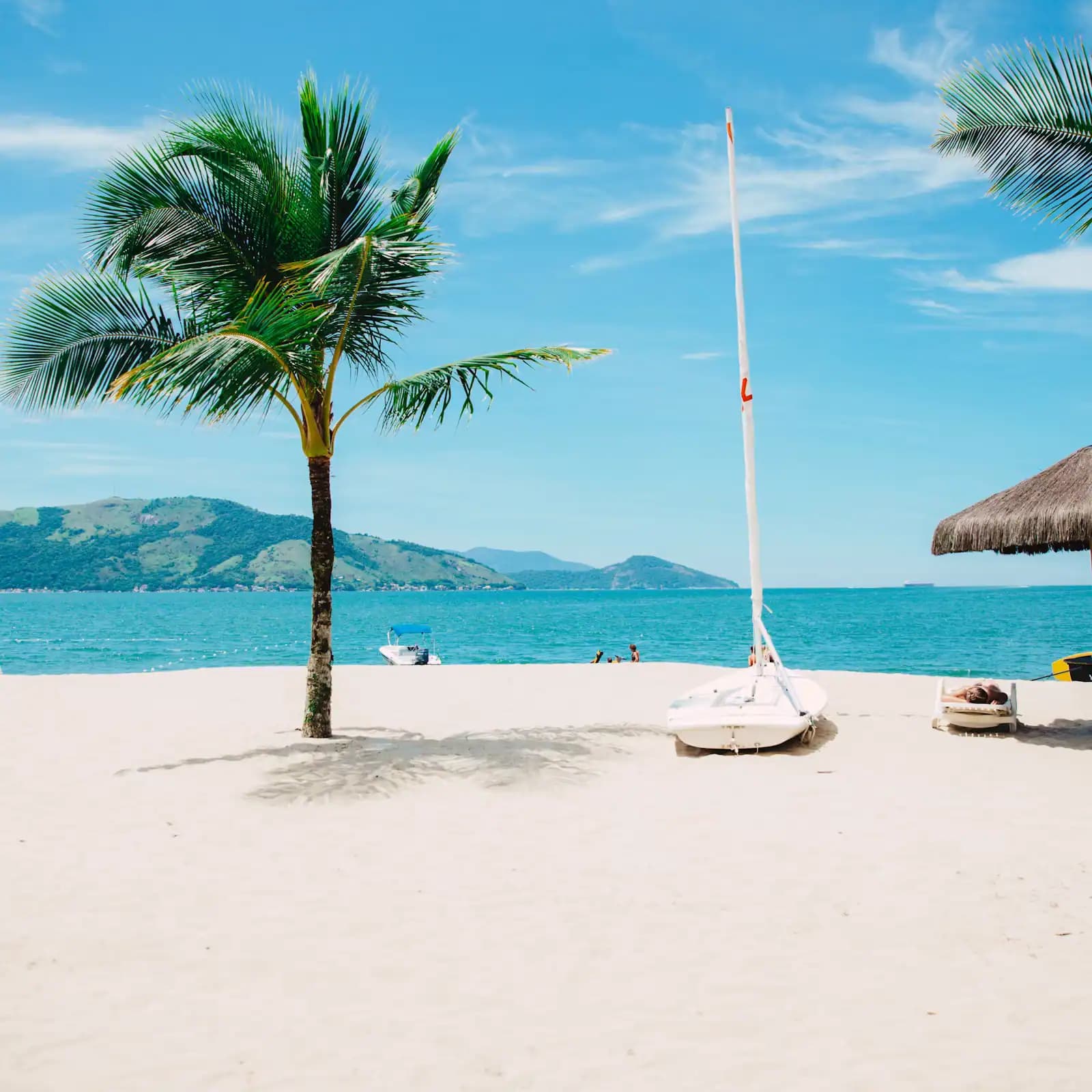
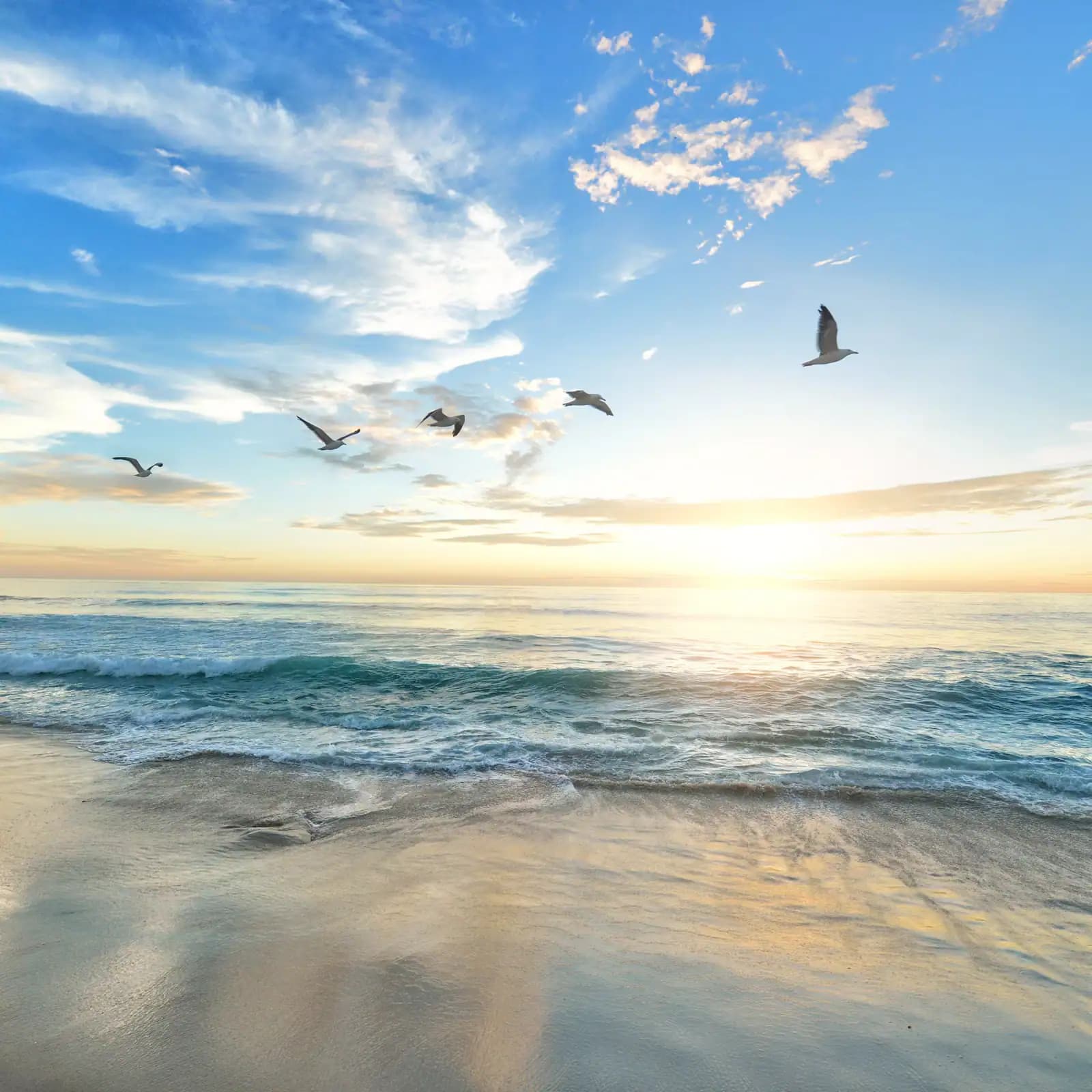
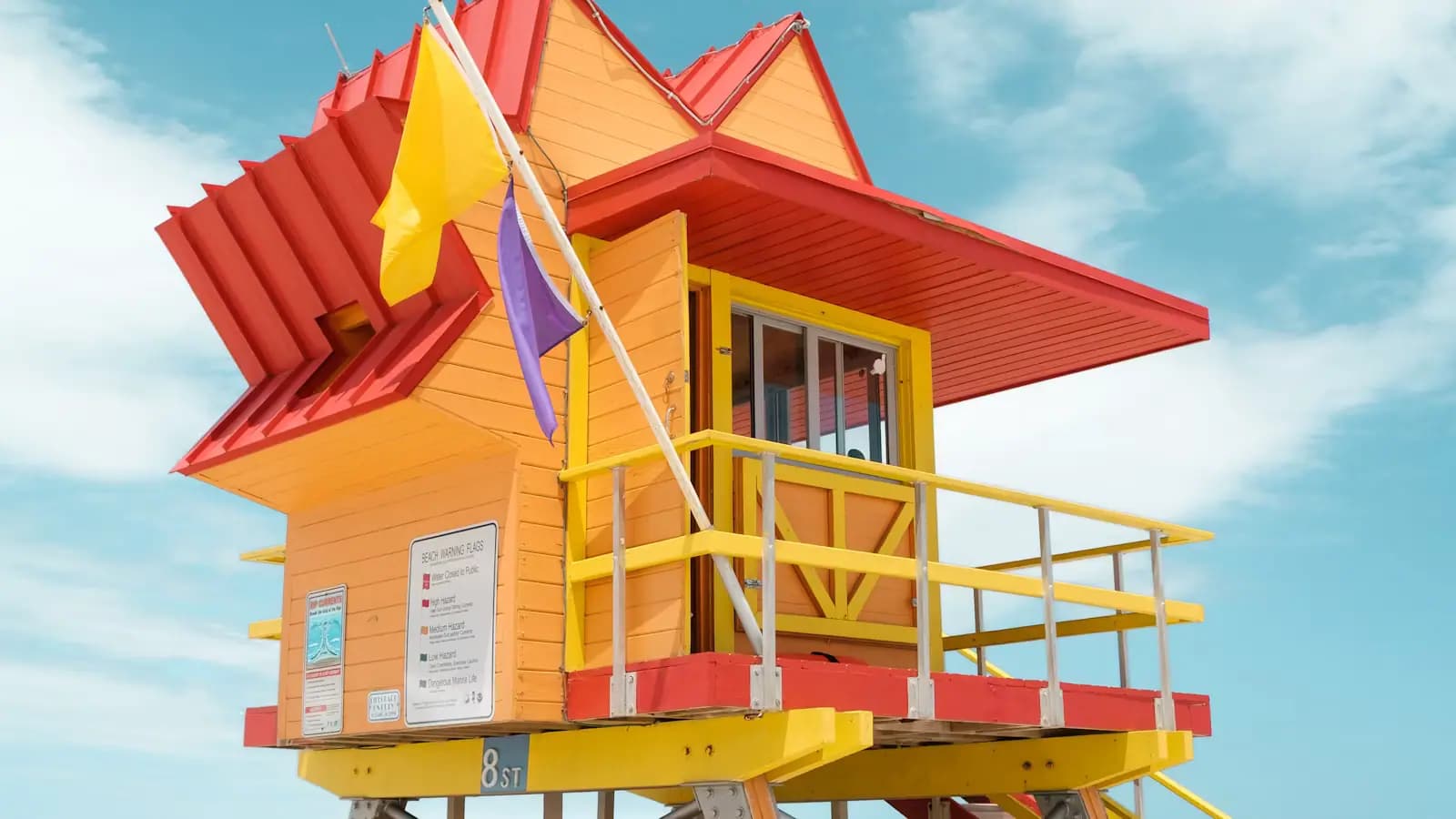
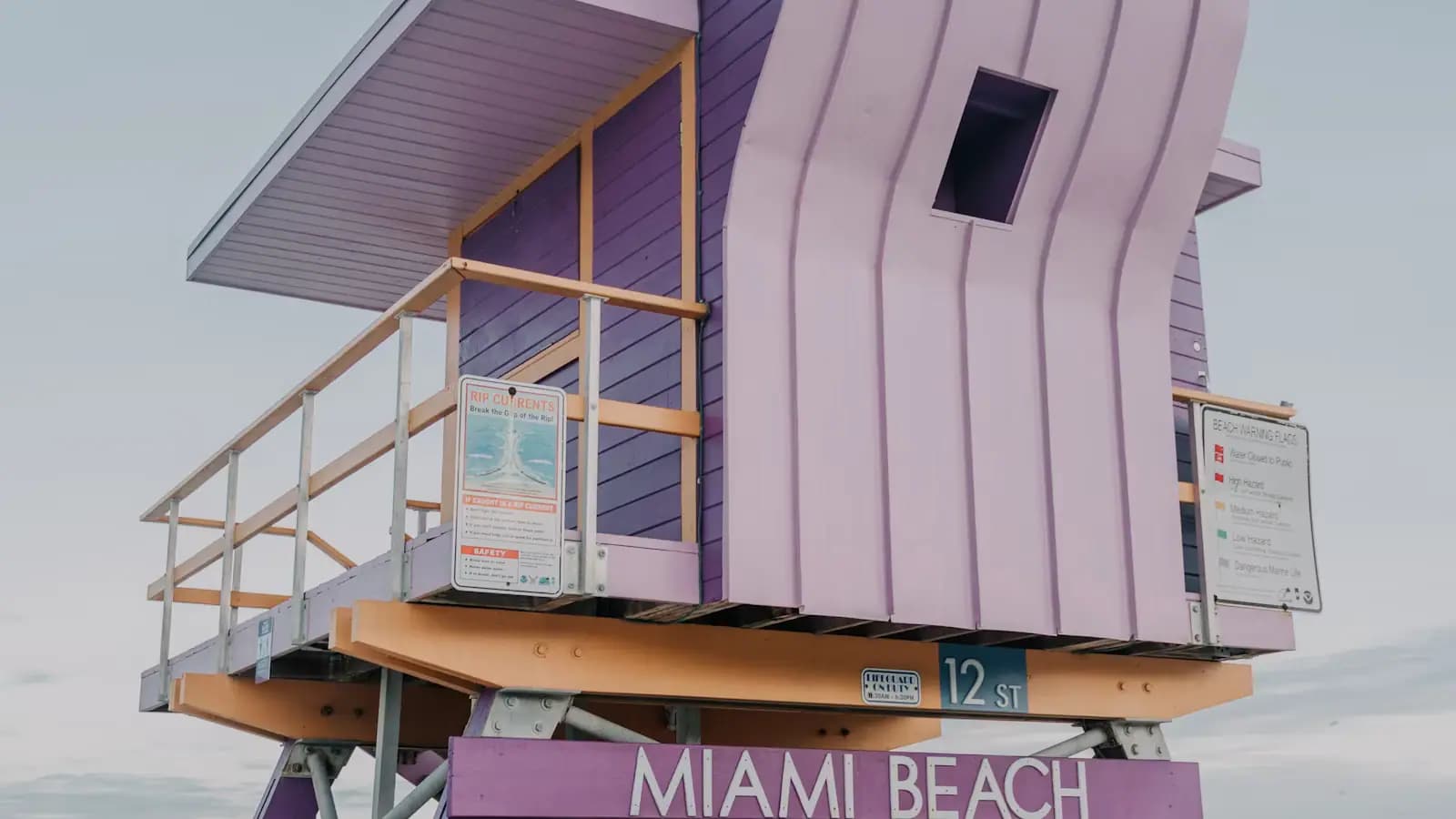
Third: the rules on Miami Beach's sand are stricter than most visitors expect, and they are enforced. Alcohol, glass and smoking are all prohibited on the city's beaches, coolers and tents are restricted, lifeguard hours are published as 9am to 7pm, and the beach parking lots are posted to close an hour before sunset. The Florida constitution gives you the sand up to the high-water mark anywhere in the state, including in front of the most expensive hotels here. What it does not give you is a cooler of beer.
Everything that floats — boats, boards, jet skis, snorkelling — lives on the water page rather than this one. What follows is dry land: where to walk, where to cycle, where the shade is, and which hour to be there.