A family day in Miami does not fail at bedtime. It fails at two in the afternoon, in a hot car park, with nobody having eaten properly and a twenty-minute drive still to go.
That hour is the whole problem, and it has two causes. The first is heat: from June into September the index regularly passes a hundred by early afternoon, and small children lose interest in everything roughly ninety minutes before adults admit the day has gone wrong. The second is distance. Places here are further apart than they look, the bay sits in the middle of the city, and every transfer with children costs twice what it costs two adults — shoes, water, a toilet, somebody's hat.
So every plan below is built backwards from two o'clock. Each has one outdoor block in the morning, a roof over the middle of the day, and one short, easy thing in the evening. None of them crosses Biscayne Bay more than once.
Which plan fits which ages
| Plan | Works best for | Total travel in the day | The bit that fails first |
|---|---|---|---|
| The island day | Any age, and the only real option under four | One walk, one free trolley ride | Nothing. This is the safe plan |
| The downtown day | Five and up, brilliant for seven to eleven | Two free Metromover legs, one short ride | A toddler who will not queue |
| The water day | Six and up, best for confident swimmers | One tolled causeway, each way | Under-sixes in open water and any afternoon boat in summer |
Plan one: the island day
Best for the youngest children, and the only plan here that needs no vehicle at all.
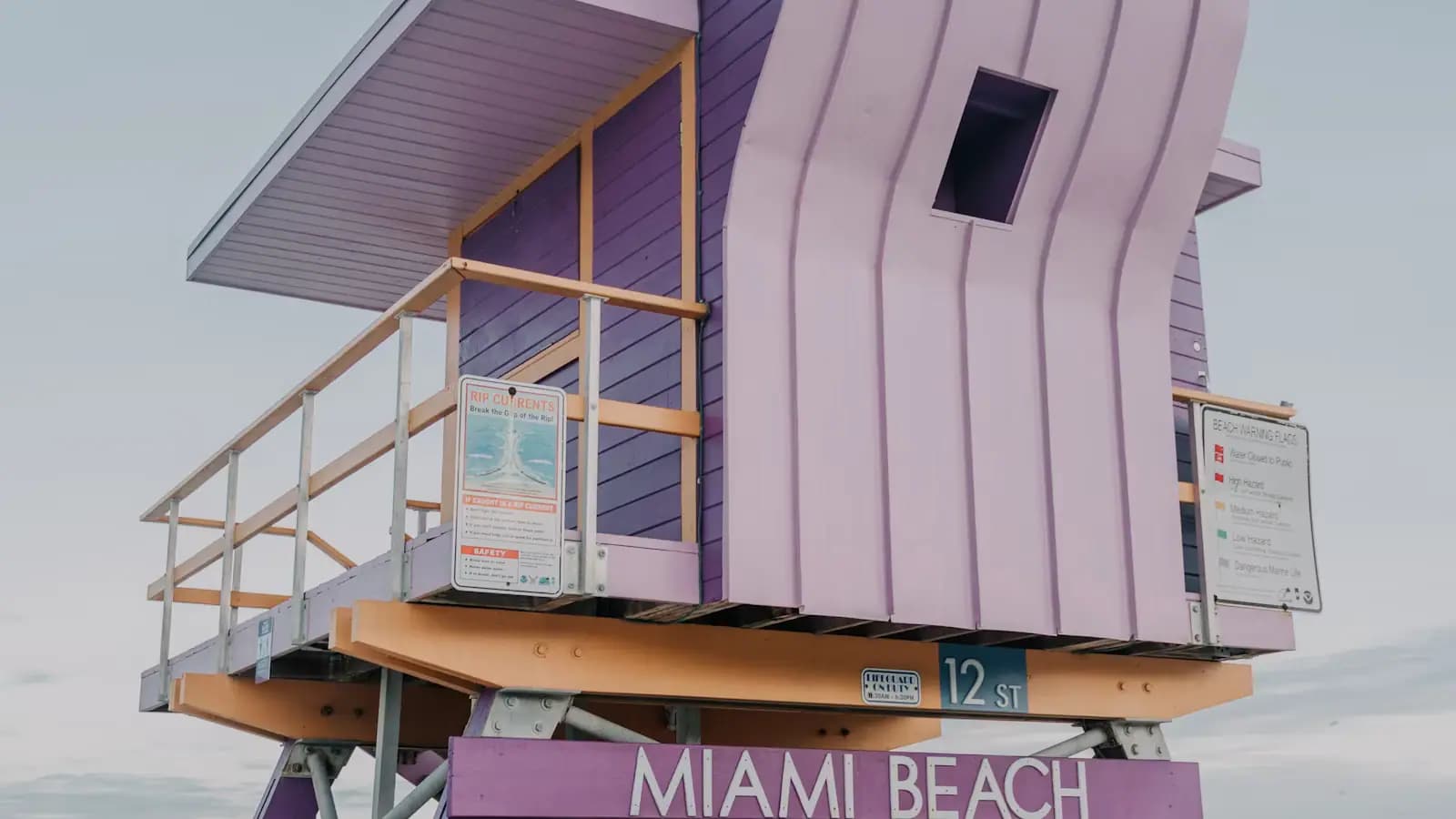
Early. Onto the sand before nine. The island faces the Atlantic, so the morning light is on the water and the sand is still cool enough to walk on barefoot. Lifeguarded stretches fly a coloured flag system; ask what today's flag means before anyone gets in, because it changes daily and it is the single most useful question a parent can ask here.
Mid-morning. Off the sand by half past eleven. That is earlier than feels necessary and it is the difference between a good day and a burnt one.
Midday. Lunch two streets back from the ocean front, in air conditioning, unhurried. Everything directly on the seafront strip is priced for people who are not coming back.
Afternoon. The roof hour. Covered shopping streets, a small gallery, or the hotel pool if there is one — the pool is not a failure of imagination, it is the correct answer between one and four in July.
Evening. The free trolley. Five routes cover the island end to end, they cost nothing, they are bright, they stop often, and small children treat them as the attraction rather than the transport. Ride one north and walk back.
Plan two: the downtown day
The plan with the most inside it, and the one seven-year-olds remember.
Early. The science museum and planetarium in the downtown bayfront park, at opening. Go first, not last: the queue at ten is a fraction of the queue at one, and the building is cold, which matters more than the exhibits by mid-afternoon.
Midday. Lunch in the park or nearby, then the art museum next door if anyone still has stamina. If they do not, skip it without guilt and go straight to the next block.
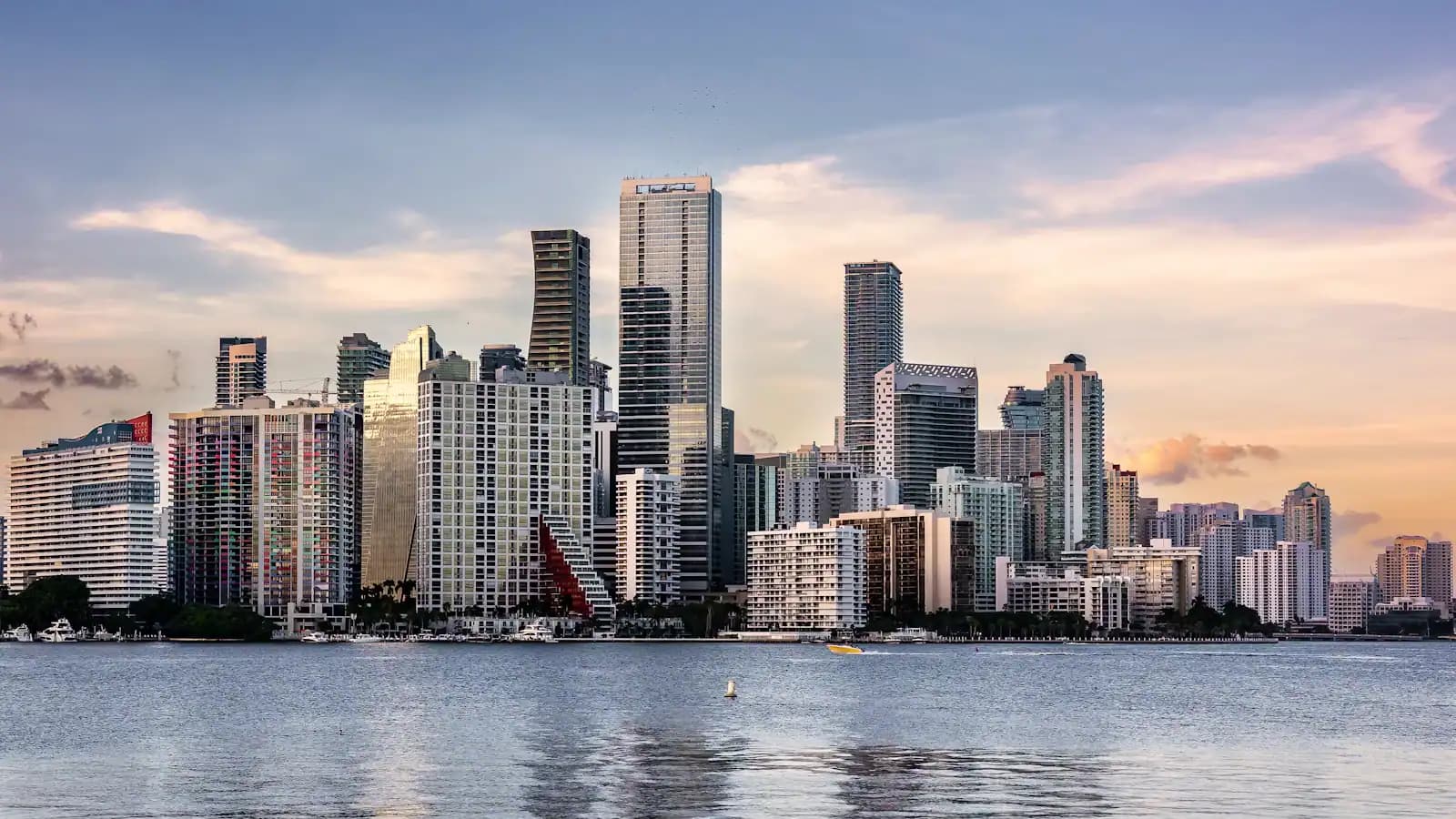
Afternoon. The Metromover. It is free, it needs no ticket, it is elevated, it runs above the streets through downtown and Brickell across 21 stations, and it is fully air conditioned. Ride an entire loop for nothing during the hottest part of the day. Children who have refused every museum in the city will do three laps of this without complaint, and adults get the bay, the river mouth and the towers out of it.
Evening. The waterfront at the bay's edge, which has open space, a view across to the island and boats coming and going. The observation wheel there is a short, contained, entirely optional treat.
Plan three: the water day
For families with older or confident children, and the plan with the most travel in it.
Early. Out across the tolled causeway to Key Biscayne, which has the calmest, shallowest water reachable from the city — a long sand shelf rather than surf, which is exactly what a seven-year-old needs. The toll has run in the region of $3.25 each way; check the current rate and whether your rental's toll programme adds an administration charge.
Midday. Shade and food on the key rather than driving back for it. The picnic option is genuinely better here than the restaurant option, because you do not lose the shaded table you already have.
Afternoon. Back across before the evening build-up, and then the roof hour at the hotel or somewhere indoors. If you have booked a boat, book it for the morning instead — in summer, operators pull boats for lightning, and a cancelled afternoon boat with children in the car is its own kind of day.
Evening. Something short and walkable. A long evening after a water day is a negotiation nobody wins.
What a family day here actually costs
Bands, not prices, and check anything you are relying on.
- Free, genuinely. The sand. The Metromover. The Miami Beach trolleys. The painted streets outside Wynwood's ticketed courtyard. Playgrounds and waterfront parks.
- Museums. The downtown science museum is the expensive one for a family, comfortably the largest single line in a day's budget; the art museum next door is roughly half that per adult and free on the second Saturday of the month, with timed tickets that go early.
- Parking. The real tax. Beach meters run about $4 an hour and garages $20 to $30 for a day, and the two cities use different apps.
- Tours. Median in this market is around $89 a head, which is a serious number multiplied by four. Most family days here do not need one.
The honest summary: a family of four can have an excellent Miami day for the cost of lunch and parking, and the plans that cost the most are not the ones children remember.
What to carry, specific to here
Not a generic packing list. These are the six things that fail a Miami family day.
- A refillable bottle each, filled before you leave. Heat index, not temperature, is what does the damage, and buying four drinks four times is a real cost.
- Reef-safe sunscreen and a timer on your phone. The breeze off the water hides the UV entirely. A first-day burn on a four-day trip costs you the other three.
- Rash vests rather than repeat sunscreen. On sand, a long-sleeved swim top removes an argument that otherwise happens hourly.
- A light long sleeve for everyone, for indoors. Museums and restaurants here are cooled for people in suits. Children who have been on sand all morning get properly cold.
- A change of clothes in the bag, always. A forty-minute afternoon thunderstorm soaks everybody in the first ninety seconds, and it is not cold rain, so the fix is dry clothes rather than shelter.
- Both parking apps, if you have a car. Miami and Miami Beach use different operators. Do not be downloading one with a toddler in a loading bay.
What not to carry: an umbrella, which is useless in a subtropical downpour with wind, and a full pushchair on the beach, which does not roll on soft sand. A cheap folding wagon does.
The storm hour, which is a feature if you plan for it
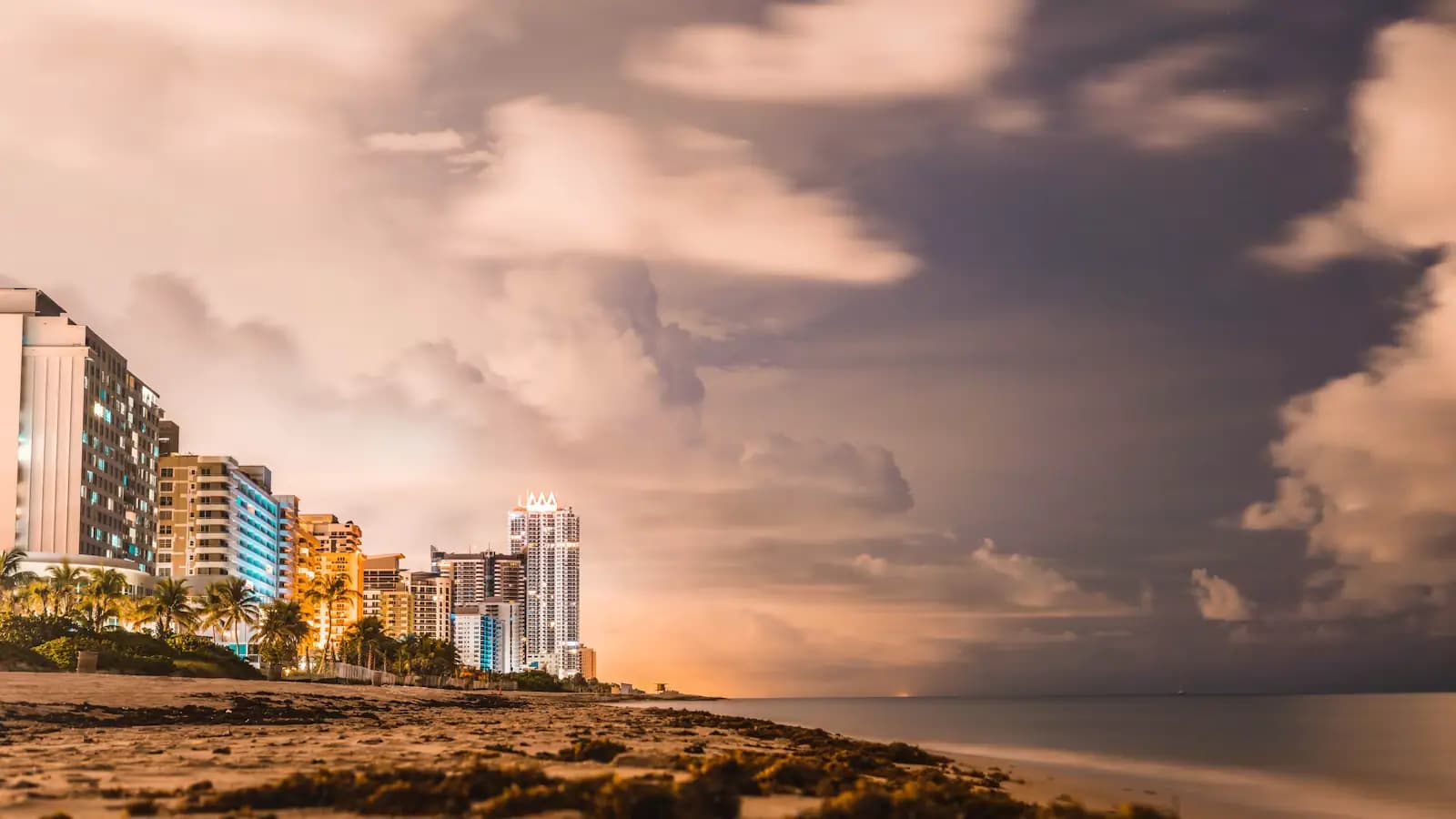
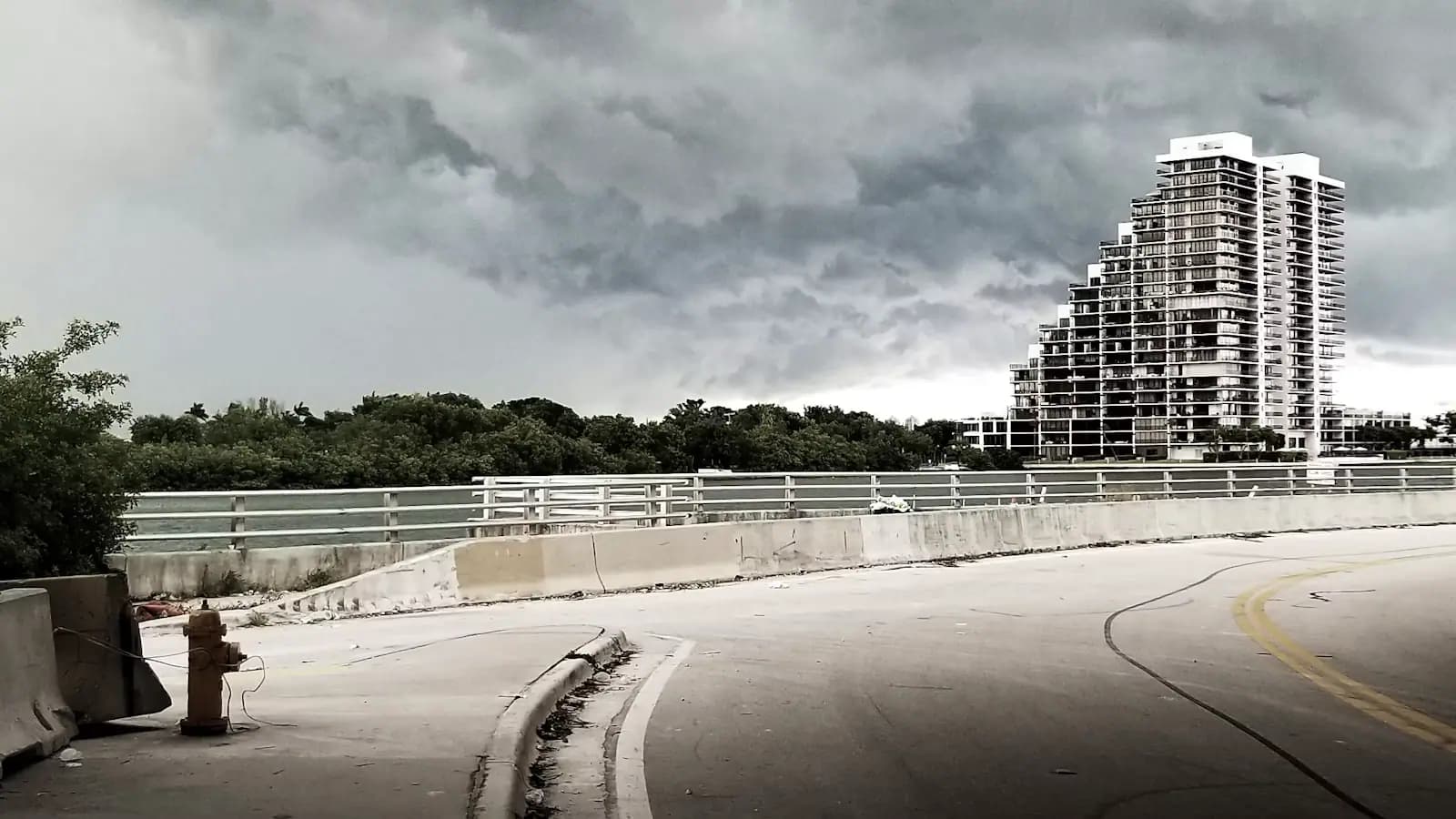
From roughly June to October, the afternoon storm is the single most reliable event in a Miami day, and it is not what visitors from northern cities expect. It builds visibly through the morning, breaks hard somewhere between two and five, runs for thirty or forty minutes, and leaves behind the best light of the day.
For a family this is useful rather than ruinous, because it arrives at exactly the hour everyone should be indoors anyway. The plan is not to cancel. The plan is to have one indoor place already chosen at nine in the morning, so that at half past one nobody is standing in a doorway arguing about options on a phone with four per cent battery.
Two things the storm genuinely cancels rather than delays. Anything on a boat — operators pull for lightning, correctly. And open-air rooftops and splash pads, which close quickly and reopen slowly.
And the thing to actually watch for is not rain at all. It is lightning: the coast here sees a great deal of it, lifeguards clear the water at the first sign, and that instruction is not a suggestion. When the whistles go, everyone comes out, including the adults who think they know better.
Last updated
Opening hours, ordinances and prices move with the season. We re-check this guide rather than rewrite it, and the date above is the last time someone did. How we research and correct.