Visitors from northern cities arrive with one mental model of rain: the sky is grey, it will be grey all day, the day is now an indoor day. That model is wrong here about eight months of the year, and acting on it costs people their best evening.
Miami has three distinct kinds of rain. They happen in different seasons, last for wildly different lengths of time, and call for three different responses. Telling them apart on the morning of is the single most useful weather skill you can have in this city.
The three kinds, and what each one actually costs you
| Kind | When | How long | What it means for the day |
|---|---|---|---|
| The afternoon storm | Roughly June to October, most days | 30–40 minutes, usually between two and five | Swap one block. The evening afterwards is the best light of the day |
| The winter front | December to March, a handful of times a season | Half a day to a full day of grey drizzle and wind | The only genuine rainy day here. Rewrite the plan |
| A tropical system | The Atlantic season runs 1 June to 30 November | Days, with warnings in advance | Not a weather question. A travel decision |
Most of what is written about rain in Miami describes the first as if it were the second. It is not, and the difference is the difference between a spoiled trip and a slightly rearranged one.
The forty-minute storm: swap, do not rewrite
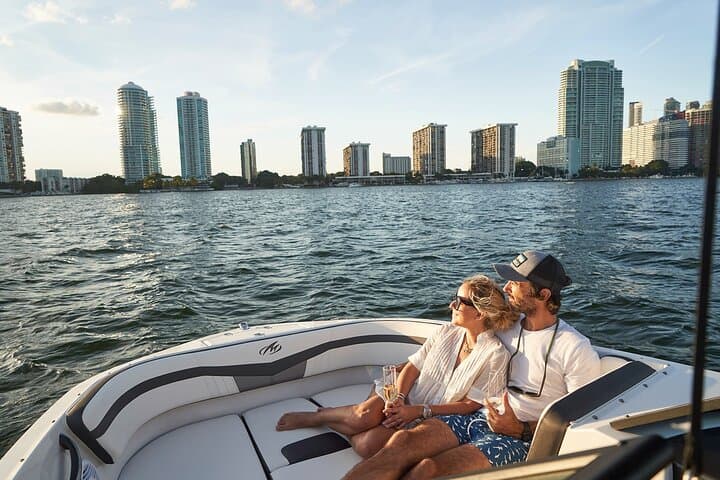
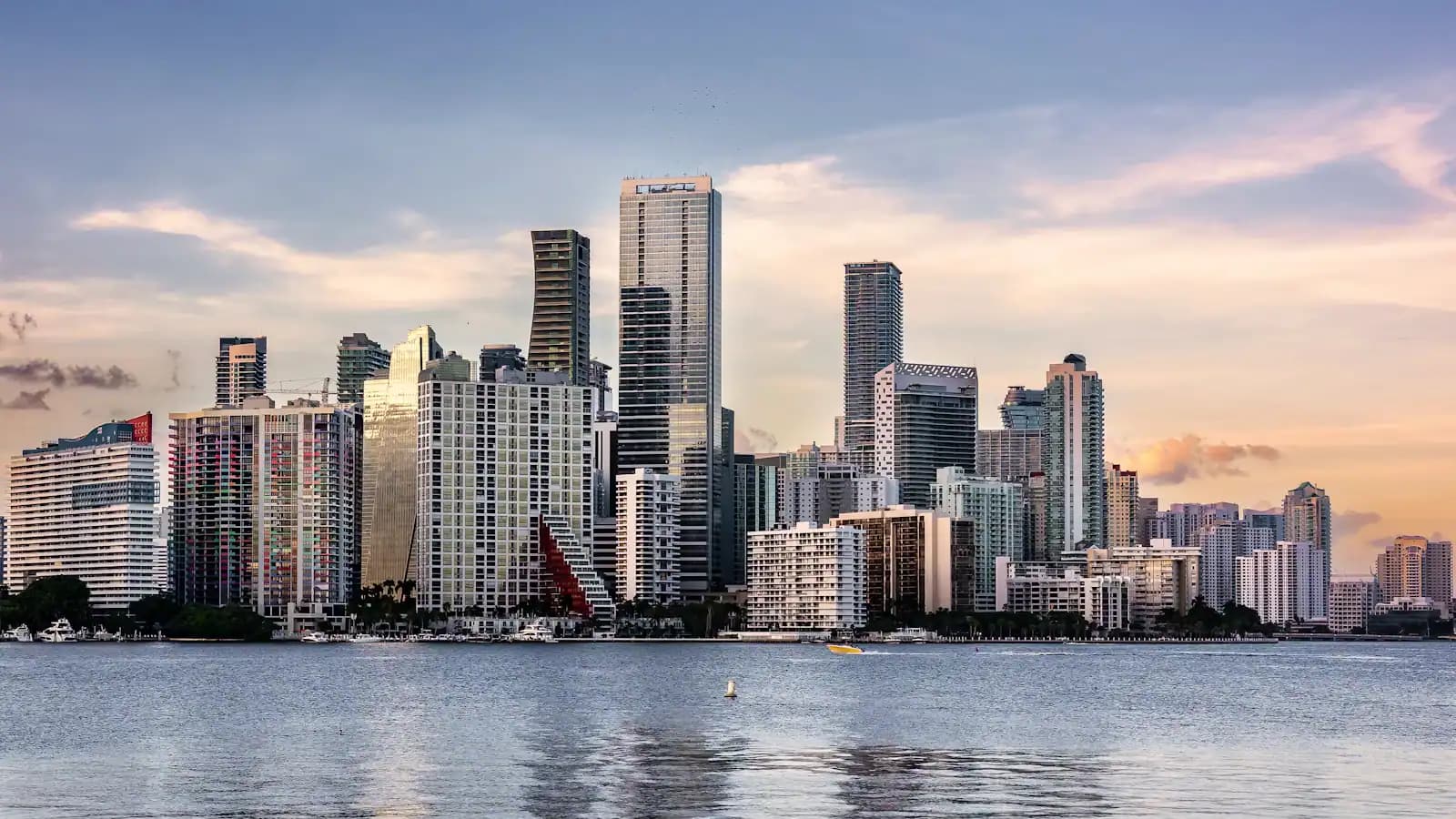
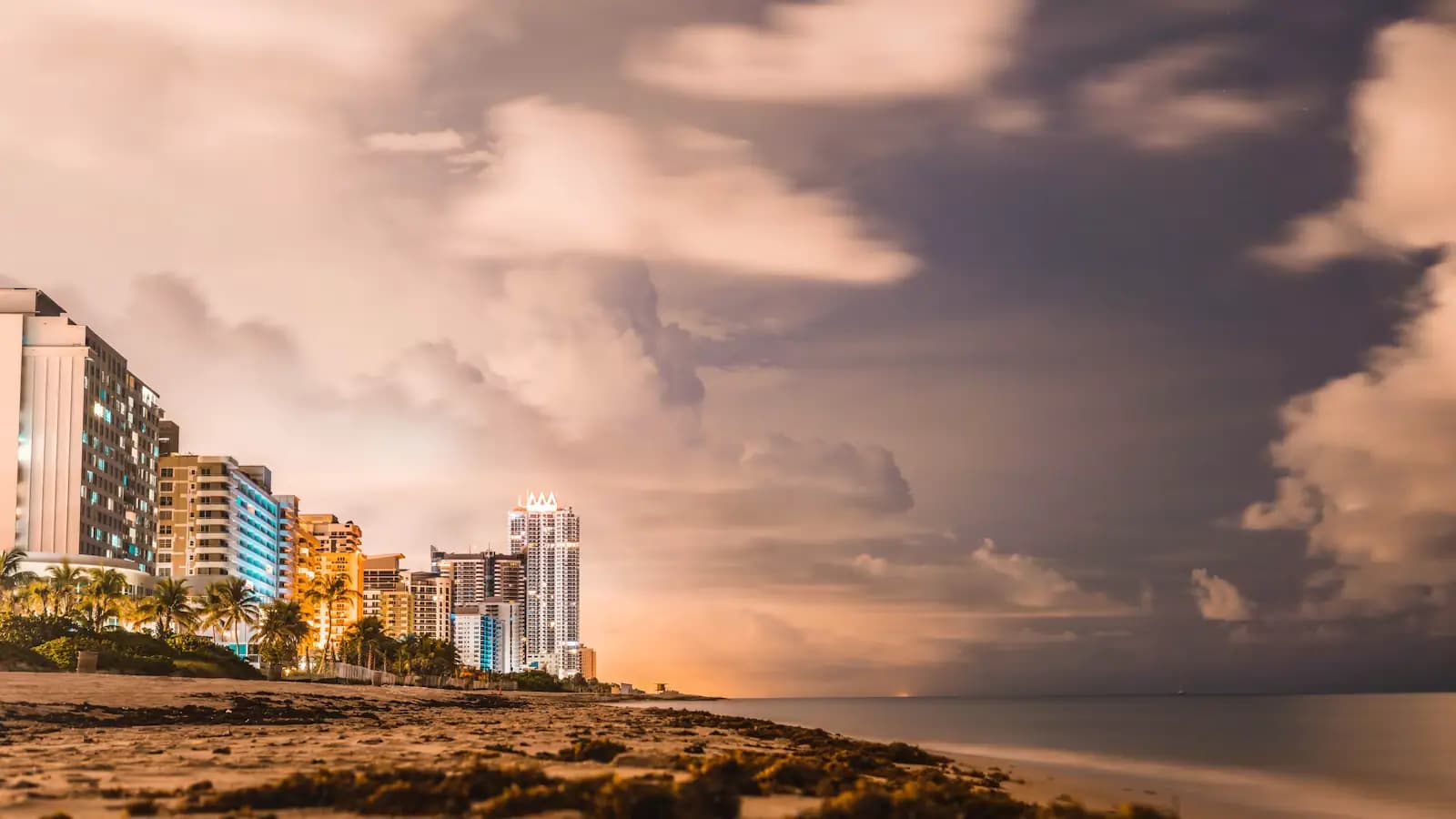
The summer pattern is convective. Heat and humidity build through the morning, the sky goes dark and theatrical in the early afternoon, it rains extremely hard for half an hour, and then it clears into a long gold evening. You can often watch the whole thing arrive across the bay.
What to do about it is simple and it is decided in the morning, not at two o'clock in a doorway.
Pick one indoor place at breakfast and hold it in reserve for the two-to-four window. Not a list of six options on a phone. One place you would genuinely enjoy, chosen while you are dry and calm.
Put anything on water before noon. This is the real cost of the storm and the reason morning departures dominate this market. Operators cancel for lightning, and they are right to.
Treat five to eight o'clock as prime time, not the end of the day. The air after a storm here is clear and the light is better than anything the morning produced. This is when to be outside, on a rooftop, on a baywalk, back on the sand.
Do not carry an umbrella. In a subtropical downpour with wind an umbrella is a liability and a nuisance. A doorway, a counter and thirty minutes is the local method.
The winter front: the only real rainy day here
A few times each winter a front comes through, the wind swings round and it rains properly for a day — grey, cool by local standards, and genuinely unpleasant on open sand. This is the day the indoor list earns its keep, and it is also the day everyone else has the same idea, so the museums are busy.
The good news is that a winter front is a real day out rather than a salvage operation. Temperatures drop into a range where walking around a neighbourhood is actively pleasant, the light is flat and even for looking at art, and nothing is competing with the beach for your attention.
The plan on a front day: stay on one side of the bay, pick two indoor things within walking distance of each other, and eat a long lunch in between. The downtown museum park is the strongest single answer, because a science museum and an art museum sit next to each other and the free Metromover delivers you almost to the door without a wet walk. On the island, the covered stretches of Lincoln Road and the galleries a block off it do the same job at a smaller scale.
The tropical system: a different conversation
Between June and the end of November, a named storm is not a rainy day, it is a travel decision, and it comes with days of warning rather than hours.
What actually happens to a visitor is rarely dramatic. Flights are cancelled or moved well before landfall, hotels waive change fees, boat and airboat operators shut down early, and the city itself is extremely practised at this. What you should do is boring and effective: watch the official forecast rather than social media, take the airline's rebooking offer the first time it is made rather than the third, and do not plan anything on water in that window.
The related, less dramatic seasonal event is autumn tidal flooding, which puts shallow salt water across low-lying streets on the biggest tides of the year without a cloud in the sky. It affects parking and walking routes rather than plans, and it passes with the tide.
Where to actually be when it is raining
The venue list matters less than most articles pretend, because the answer is usually "the nearest good thing with a roof". But four things here are specifically better in the rain than out of it.
The Metromover. Free, elevated, covered, air conditioned, 21 stations, no ticket. A full loop through downtown and Brickell in a storm is the best forty minutes you can spend for nothing in this city, and you watch the weather move across the bay from inside it.
The downtown museum park. Two large institutions side by side, a covered walk between them, and a station on the free Metromover almost at the door.
A long lunch. Genuinely. The single cheapest and most pleasant shelter available, and in late summer the city runs a restaurant-month promotion with three-course prix-fixe menus, which makes a storm hour into the best-value meal of the trip.
A covered market or shopping street. Not glamorous, entirely effective, and it keeps children moving rather than sitting.
What the rain cancels, and what it only delays
Cancelled: anything with a hull, for lightning rather than rain. Open-air rooftops. Splash pads and outdoor pools, which close on the first strike and reopen slowly. Open-top bus upper decks, which become the lower deck.
Delayed only: walking anywhere, murals, markets, beaches and parks. All of these are fine twenty minutes after the storm passes, and the sand is emptier afterwards than it was before.
Unaffected: everything indoors, and the evening, which in summer is usually better because of the storm rather than in spite of it.
The lightning rule, which is not about comfort
This stretch of coast sees a great deal of lightning, and it is the reason for almost every weather cancellation you will encounter here.
Lifeguards clear the water on lightning, not on rain. When the whistles go, everyone comes out, including the adults who have decided the storm is somewhere else. The rule exists because water and open sand are the two worst places to be under an active cell.
Boat operators cancel on lightning. A tour that runs in light rain will not run under a thunderstorm, and a captain who says no is doing their job. Book water activities in the morning between June and October and you will rarely meet this problem at all.
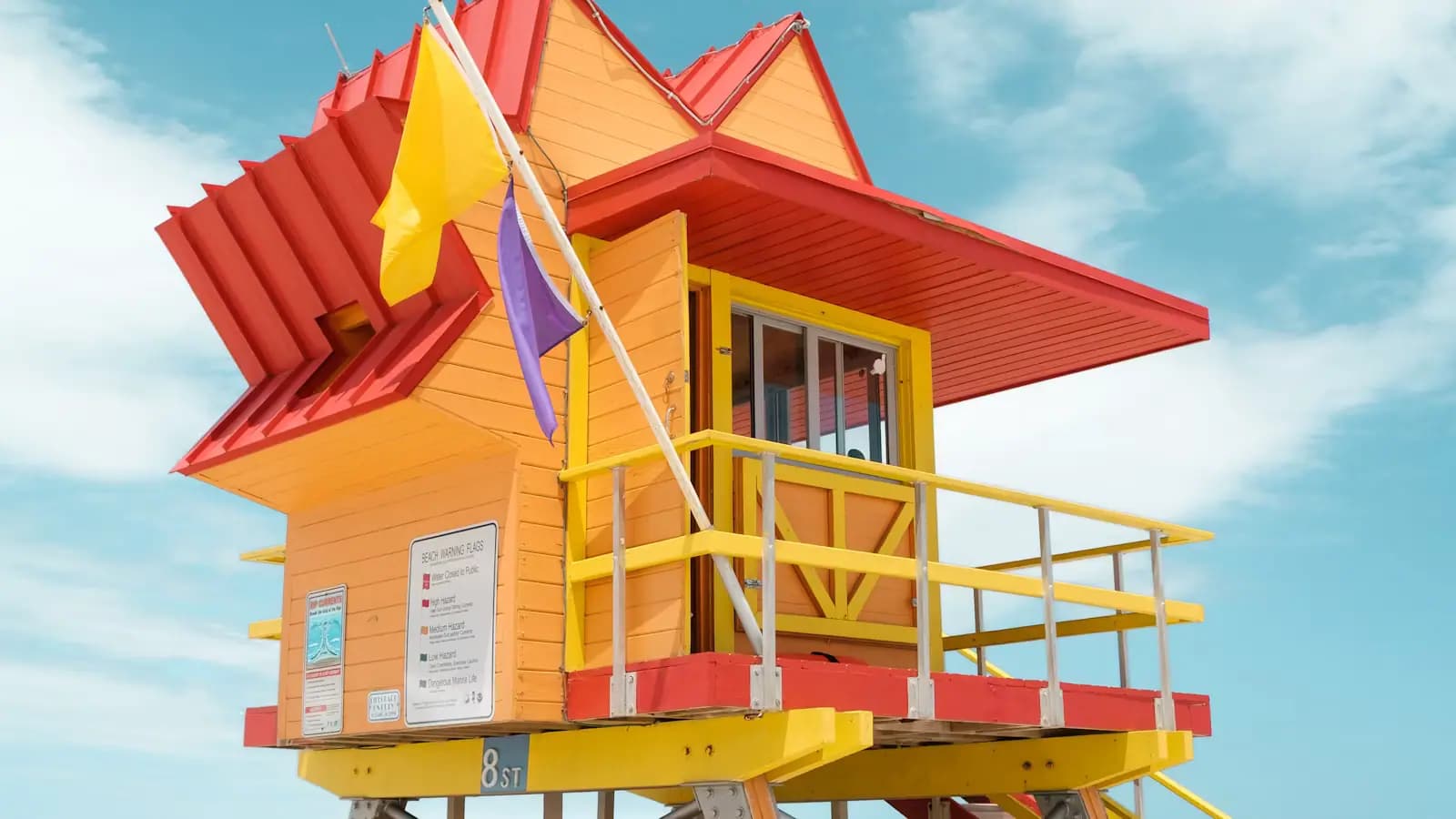
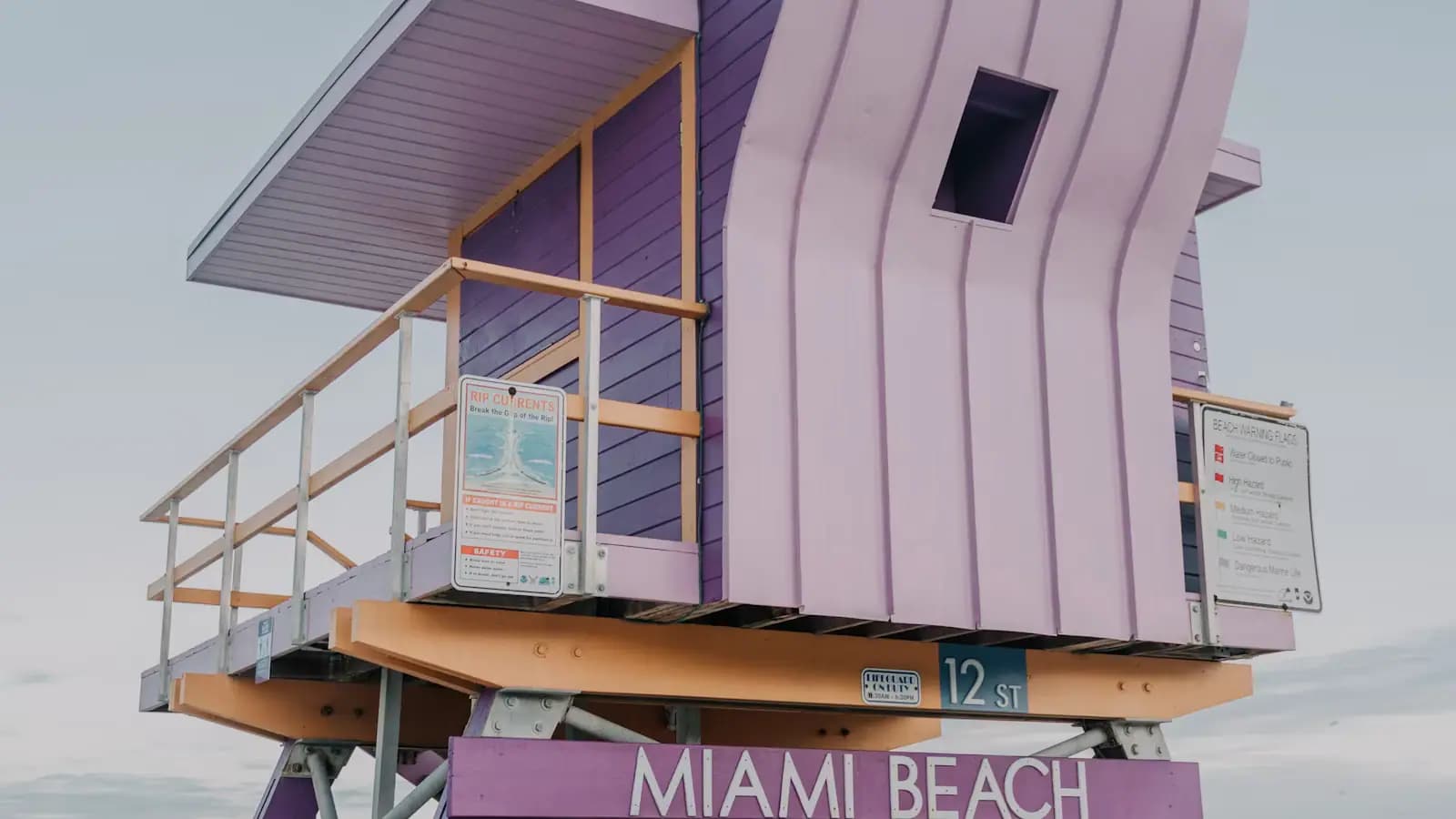
Shelter means a building or a vehicle, not a beach umbrella, a palm tree, a bus stop with an open side, or a lifeguard tower.
Check the cancellation terms before you book, not after. Most reputable operators here either refund or rebook for weather, but the terms differ and a non-refundable afternoon slot in August is an avoidable risk. Free-cancellation listings are worth the small premium in storm season specifically.
Reading the afternoon before it arrives
You can usually see a Miami storm coming an hour out, which is more warning than a forecast app gives you in practical terms.
The tell is vertical. Fair-weather cloud here is flat and scattered; a building storm cell grows upwards into a hard-edged tower with a bright white top, and it does it quickly. On a beach or a baywalk you can watch one develop over the Everglades to the west in the late morning and drift east across the city through the afternoon, which is the typical summer pattern.
The second tell is the wind. The gust front runs ahead of the rain by several minutes — a sudden cool push of air, palms turning over, sand moving. That is your notice, and it is usually five to ten minutes.
Two practical habits. Know where the nearest roof is at any point in the afternoon, which costs no effort and saves a soaking. And check the hourly forecast rather than the daily one: a daily forecast showing a sixty per cent chance of rain in July means the ordinary afternoon pattern, not a washout, and a visitor who cancels a day on the strength of that number has lost the day for nothing.
Last updated
Opening hours, ordinances and prices move with the season. We re-check this guide rather than rewrite it, and the date above is the last time someone did. How we research and correct.