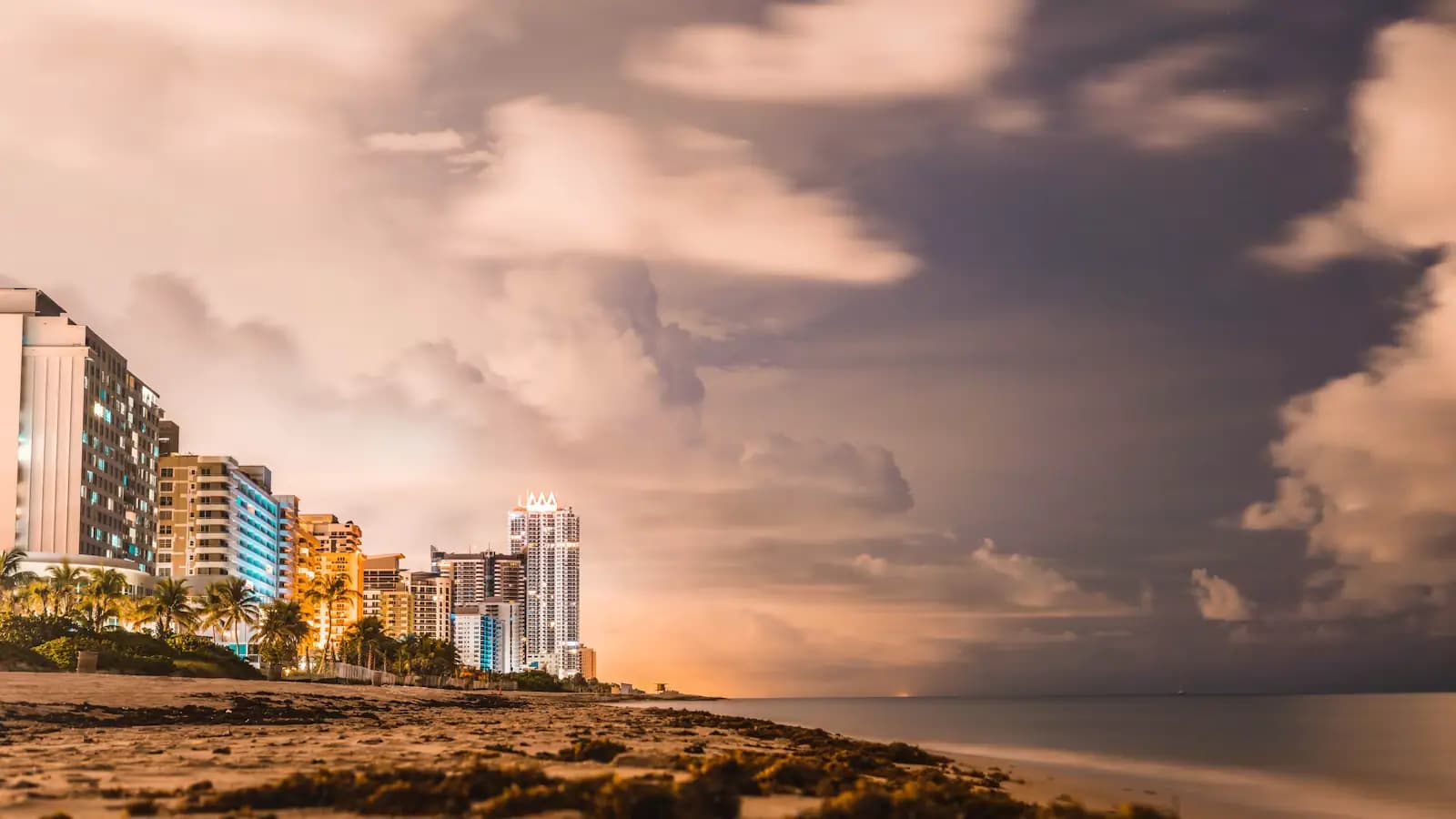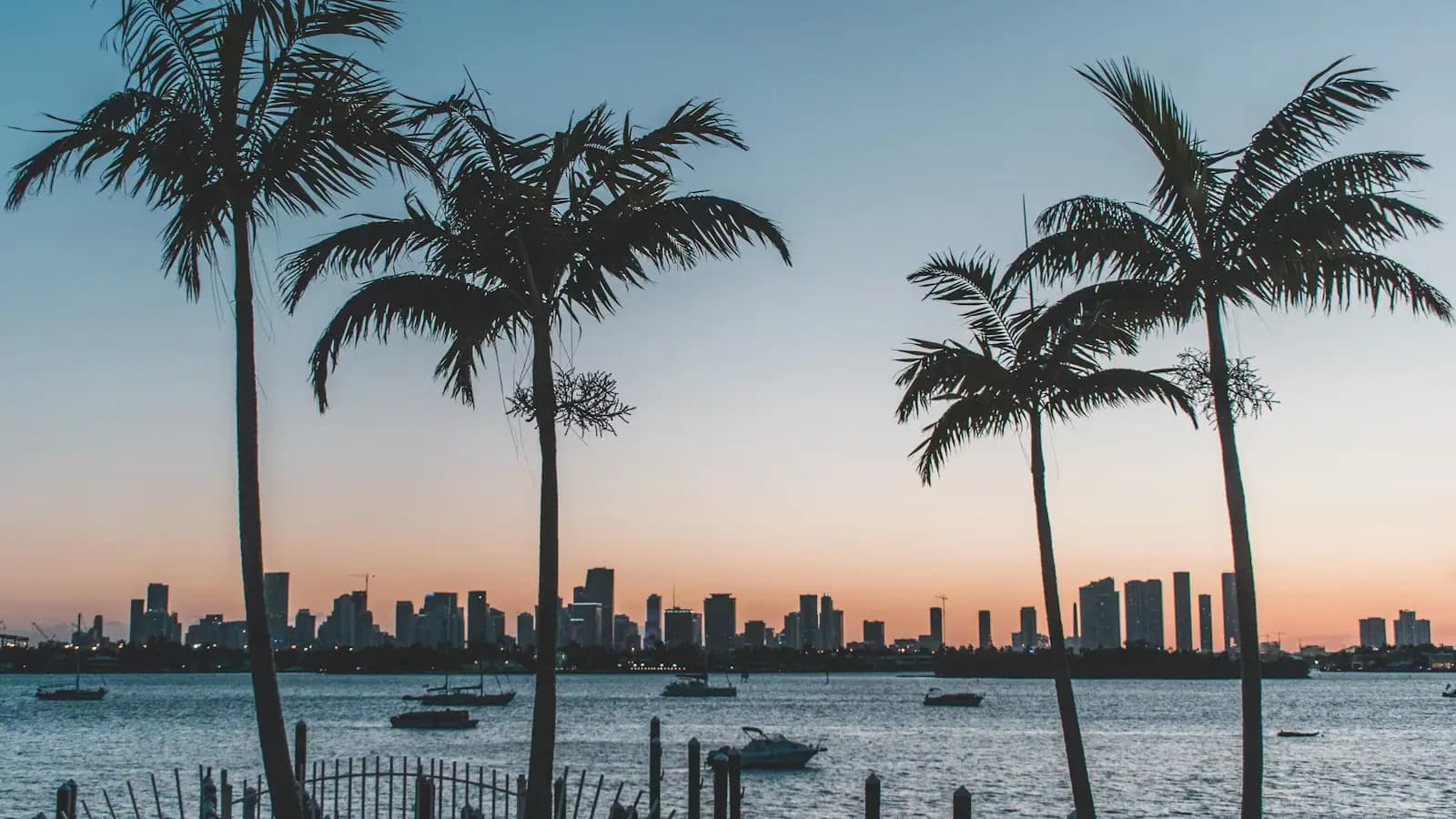
Miami has two seasons — dry and wet — and they behave almost nothing like the four seasons most visitors are used to. The dry season is roughly November to April: warm, bright, pleasant, crowded and expensive. The wet season is roughly May to October: hot, humid, cheap, and punctuated by a short violent thunderstorm most afternoons.
Everything else is detail. But the detail is what decides which month you book.
Every month, and what it will do to your plan
| Month | The weather | Crowds and price | Plan around |
|---|---|---|---|
| January | The best weather of the year. Dry, warm days, genuinely cool evenings | Peak. Rates at their highest | A Sunday in late January closes causeways and downtown for the marathon |
| February | As good as January, occasionally a grey windy front | Peak | Fronts cancel reef and offshore trips while the sky stays blue |
| March | Warm, dry, gorgeous, and busy in a way the calendar does not explain | Peak, and chaotic | Spring break all month; a huge festival downtown in late March; a Cuban street festival on Calle Ocho |
| April | The sweet spot. Warm water, dry air, the crowd thinning | High, easing late | Easter week compresses everything into one week |
| May | Humidity arrives. Storms begin. Still mostly bright | Shoulder, rates drop noticeably | A month-long museums-and-attractions promotion with discounted admission |
| June | Hot. The daily storm pattern is established. Longest days of the year | Low. Good value | Hurricane season opens on the first. Sunset past eight, so evenings are long |
| July | Hot and humid throughout. Storms most afternoons | Low, briefly busy around the fourth | Water activities in the morning only |
| August | The hottest, wettest, cheapest month | Lowest | Restaurant month begins on the first with set-price menus across the county |
| September | As hot as August, and the most active stretch of hurricane season | Lowest. Best rates of the year | Watch the tropics. Autumn king tides start to flood low streets |
| October | Cooling by the end. Storms tail off. Water still warm | Low, rising late | Stone crab season opens mid-month; king tides continue |
| November | The turn. Dry air returns, humidity drops, the city exhales | Shoulder, sharply up at Thanksgiving | Hurricane season ends on the thirtieth. Clocks go back, so sunset falls to around half past five |
| December | Warm days, cool nights, the shortest daylight of the year | Peak, and the most expensive week of the year is in it | Art fair week in early December fills every hotel on both sides of the bay |
The two things the table cannot show
Daylight moves a long way here. Sunset falls at roughly half past five in early December and just past eight in late June — a swing of two and a half hours, with about ten and a half hours of daylight at the December solstice against nearly fourteen in June. That is the single most underrated variable in a Miami plan, because it decides how many blocks fit in a day. A winter itinerary copied from a summer article runs out of light before it runs out of items.
The heat index does the damage, not the temperature. From June into September the combination of heat and humidity routinely pushes the apparent temperature past a hundred by early afternoon. The practical consequence is not discomfort, it is scheduling: walking happens before eleven, the middle of the day goes under a roof, and outdoor plans resume after five.
The four weeks that change everything
Late March, spring break. Miami Beach's crowd-management arrangements have changed year to year and have included reduced eastbound causeway lanes late at night, extra enforcement and altered parking availability. Whatever this year's version is, the island is busier, louder and harder to leave. If that is not what you came for, stay on the mainland or come in April.
The last weekend in March, the festival weekend. A very large electronic music festival takes over the downtown bayfront park, with road closures around Biscayne Boulevard running from the Thursday evening to the Monday morning. Excellent if it is why you came.
Early December, art fair week. The international art fair and its satellites fill hotels on both sides of the bay, push rates to their annual peak and book out restaurants. The city is at its most interesting and its most expensive in the same seven days.
A Sunday in late January, marathon morning. The marathon and half marathon close the MacArthur Causeway eastbound and a good deal of downtown, Brickell and the island in the early morning, with the published advice being to use the Julia Tuttle Causeway instead. It reopens through the morning. If you are crossing the bay that Sunday, cross the night before.
Which month for which trip
- A first visit, best weather, no constraint on budget: late February or April. March has the same weather with three times the friction.
- A beach-first trip: May or June, when the water is warm and the rates have already dropped but the storm season has not fully established itself.
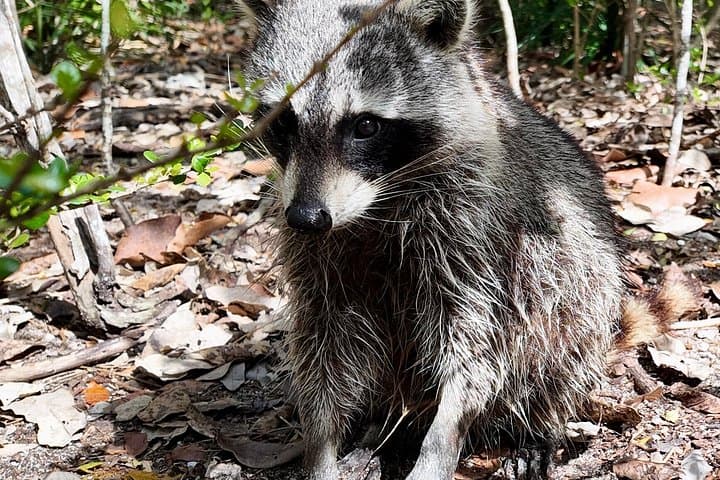
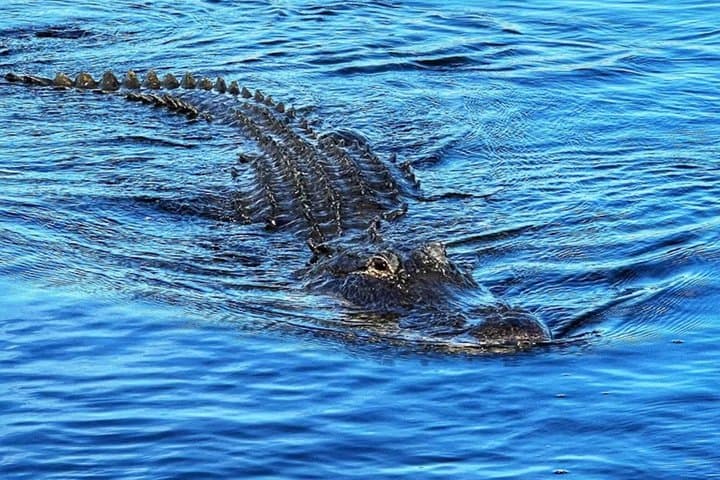
- Everglades and wildlife: December to March. The dry season concentrates animals around the remaining water, and the mosquitoes are manageable.
- Snorkelling and anything on the reef: summer, for the calmest, clearest water — with the caveat that everything on the water happens before noon.
- Cheapest possible trip: August and September, by a wide margin, with restaurant-month set menus running from the first of August to the end of September.
- Food: late autumn and winter. Stone crab season opens in the middle of October and the produce season in the farmland south of the city runs through the winter.
- A quiet trip: September, accepting the tropical risk, or the first two weeks of December before the art fair arrives.
Hurricane season, without the drama
The Atlantic season runs from the first of June to the thirtieth of November, and it is most active from August into October. That is six months of the year, which is why treating it as a blanket reason not to visit removes half the calendar for most people.
What it means in practice for a visitor is mundane rather than frightening. Named storms come with days of warning, not hours. Airlines waive change fees and move flights well in advance of any landfall. Hotels release bookings. Boat and airboat operators shut down early and refund. The city is extremely practised at this, and the emergency management information here is clear and public.
Three sensible precautions, none of which require worrying about it. Buy travel insurance that actually covers weather disruption, and read what it covers. Watch the official forecast rather than social media, where a five-day cone is routinely reported as a certainty. And take the airline's first rebooking offer rather than the third.
The genuinely common autumn nuisance is not a hurricane at all. It is king tides — the highest tides of the year, in roughly September to November — which push shallow salt water into low-lying streets on both sides of the bay under a clear blue sky. It affects parking and walking routes for a few hours and then drains away.
What the water is doing, month by month
Several of the best things to do here happen on or in the water, and the water follows its own calendar.
Warmest and clearest: roughly June to October. This is when snorkelling, diving and anything involving getting in rather than on the sea is at its best, and it is also when boats are cheapest.
Calmest mornings: all year, but the difference is starkest in summer, when the sea is usually flat at eight and lumpy with a storm by three.
The winter wind problem: cold fronts between December and March bring days of strong onshore wind that cancel reef and offshore trips outright. The sky stays blue while it happens, which is why it catches visitors out. If a reef trip matters to you in winter, build a spare day into the plan.
Sargassum: the floating seaweed that arrives on southeast Florida shorelines mainly from spring into summer. Volumes swing enormously between years and the precise timing of a landing cannot be forecast, so treat it as a possibility rather than a schedule. Crews clear the main lifeguarded stretches; quieter beaches may not be cleared at all.
Sea turtle nesting runs from the first of March to the end of October on South Florida beaches, which is why lighting rules apply along the shore at night and why marked nests must be left alone. It is not a reason to avoid any month. It is a reason to keep off the dunes in the dark.
Last updated
Opening hours, ordinances and prices move with the season. We re-check this guide rather than rewrite it, and the date above is the last time someone did. How we research and correct.