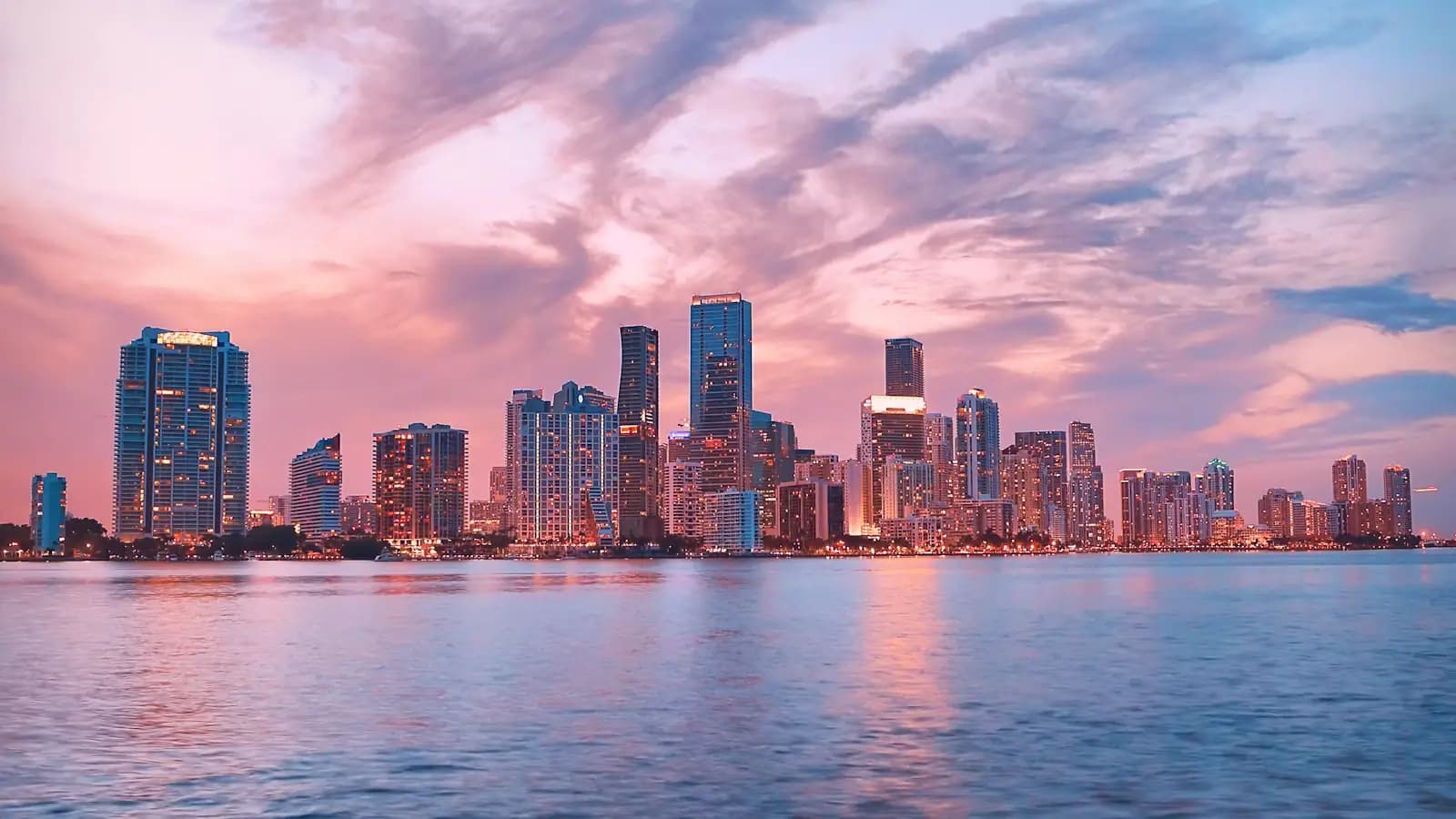
A one-day visitor here is managing a constraint. A two-day visitor is making a choice, and the choice is better than most people realise, because the second day is not simply more of the first.
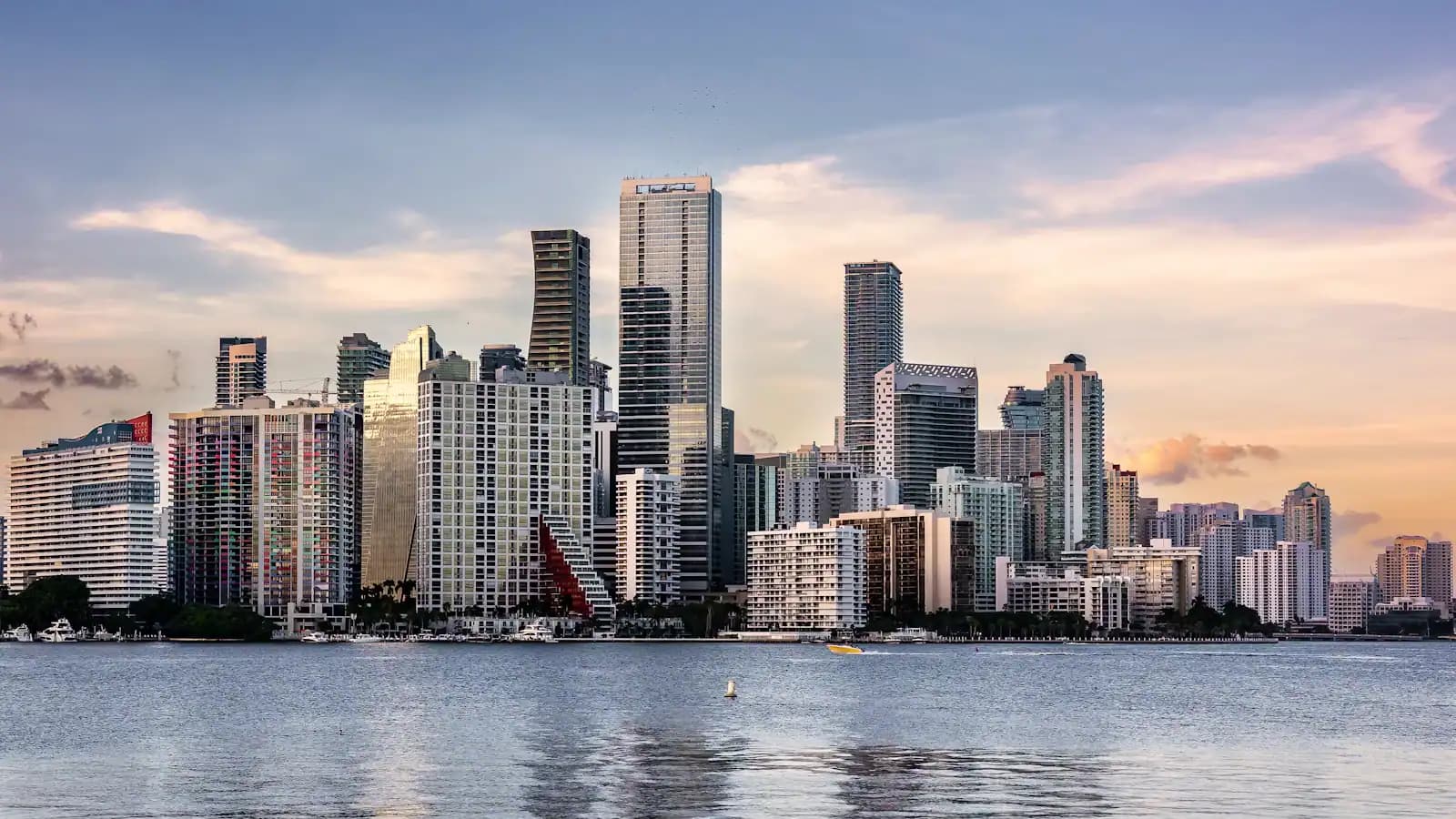
The reason is geographic. Miami sits on the mainland; Miami Beach is a separate city on a barrier island across Biscayne Bay, and the causeways between them are the only connection. On one day you pick a side and live with it. On two days you get both sides with exactly one crossing, made once, at an hour you choose — and that single fact is worth more than any individual attraction either side contains.
So the shape of 48 hours here is not "the highlights, spread thinner". It is one full day per side of the bay, with the crossing built into the plan as a scheduled event rather than an accident.
Two days, block by block
| Block | Day one — mainland | Day two — the island | Swap it if |
|---|---|---|---|
| Early morning | Coffee at a walk-up window, then Wynwood's painted blocks before the heat | Sunrise on the sand, which the island gets and the mainland does not | You arrived after midnight. Start both days two hours later and drop one afternoon block |
| Late morning | Design District facades, then one free gallery hour | Deco streets on foot, then Lincoln Road while the shade holds | It is a second Saturday and you want the free museum hour — book it days ahead |
| Midday | Long lunch in Wynwood or Buena Vista | Lunch two streets back from the ocean front | It is August or September and prix-fixe restaurant-month menus are running. Make this the main meal |
| Early afternoon | Calle Ocho on foot: domino tables, a cigar counter, a fruit stand | Back on the sand, or the walk to the ship channel at the island's southern tip | It is storm season. Push this to five and pull the indoor block forward |
| Mid afternoon | The downtown museum park — two large institutions, side by side | Covered Lincoln Road, a gallery, or a long table | Never. This is your roof hour on both days |
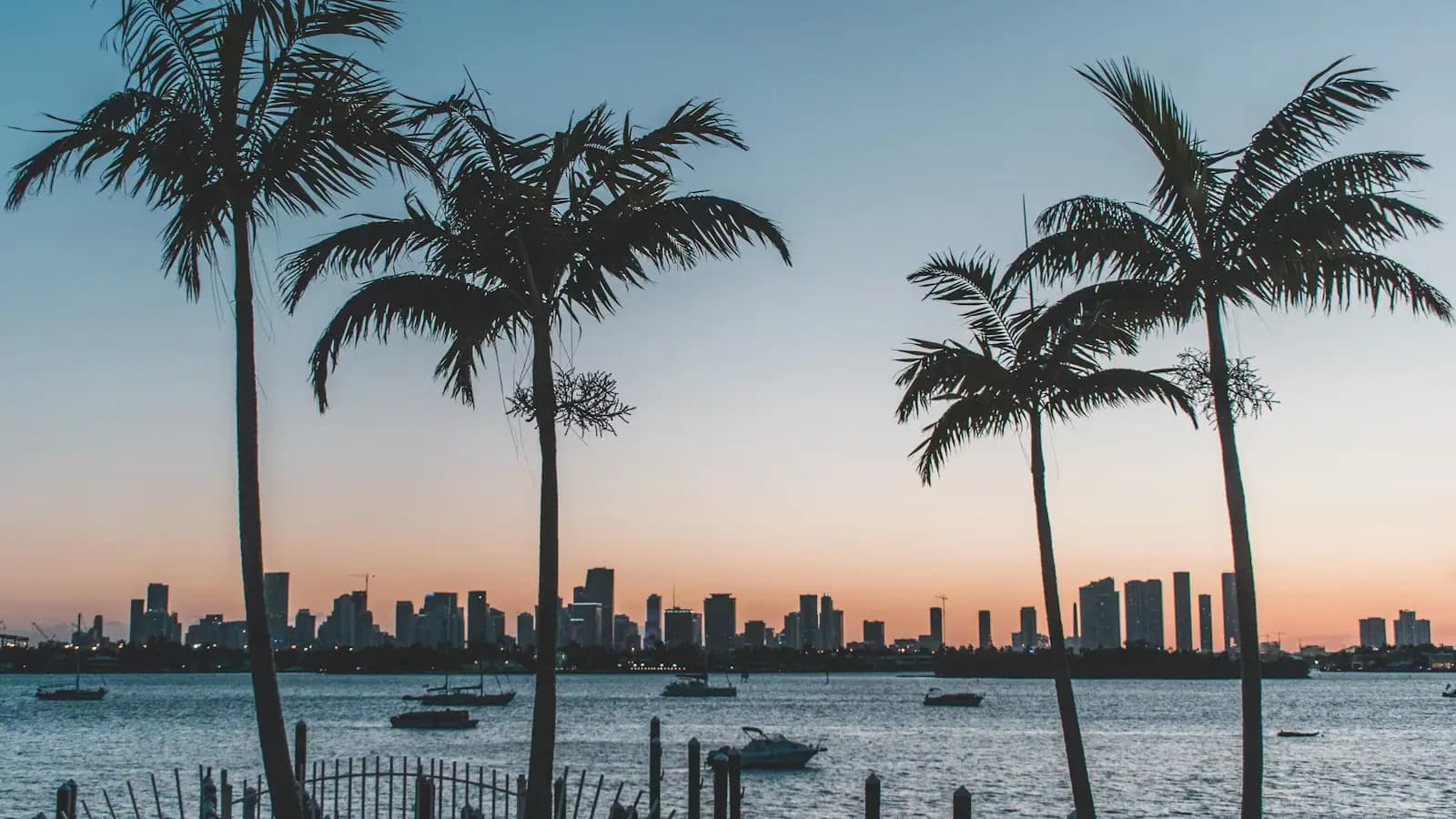
| Evening | Free Metromover loop through Brickell, then the baywalk at sunset | Sunset from the island's bay side, with the skyline lit in front of the sun | You are crossing tonight. Cross after eight, not at six |
| Night | Dinner on the mainland, within walking distance of where you stood at six | Dinner on the island, same rule | — |
Make the crossing itself the last thing you do on day one, or the first thing you do on day two. Never the middle of either. A crossing at ten in the morning or nine at night is fifteen minutes. The same crossing at six in the evening is forty to fifty, and that is before rideshare surge.
The two evenings are the actual difference
One day here gives you one evening, and one evening in Miami has to do too many jobs at once — sunset, dinner, and whatever counts as a night out. Two days lets you split them, and the split is worth planning.
Give the first evening to the water and the light. Sunset here happens over the bay, behind the mainland skyline, which means the good vantage points are the mainland baywalk, the island's western shore, and anything with a hull. A ninety-minute evening cruise puts the towers between you and the sun and costs well under this market's median.
Give the second evening to a room. That can mean a Wynwood bar with the shutters up, a Brickell terrace, or a Little Havana counter with music in it. The point is that you no longer have to choose between eating well and seeing the sky, because you already did the sky.
Your arrival hour reshapes everything
Two-day trips are usually two nights, and two nights rarely means two whole days. Be honest about which of these you are.
| You land | What you actually have | What to cut |
|---|---|---|
| Friday evening | One full day, one three-quarter day | Nothing. Put the mainland day on Saturday and cross Sunday morning |
| Saturday midday | One half day, one full day | Day one's morning block. Go straight to lunch and the afternoon |
| Saturday early morning | Two full days, the best version of this trip | Nothing, but book the Saturday evening thing now rather than at six |
| Sunday morning, leaving Tuesday | Two full days on the quietest pair of days in the week | Nothing. Sunday and Monday are the two easiest days to move around this city |
The Sunday detail matters more here than in most cities. Sunday brunch queues on the island are genuinely long, some gallery and museum hours are shorter, and the roads are noticeably easier. Plan a Sunday around water and walking rather than around getting into a specific dining room at one o'clock.
What to book, and when
Two days is the trip length where booking starts to pay, because you have enough slack to absorb a fixed time slot without the whole plan bending around it.
- One boat, in the morning or at sunset. Anything with a hull leaves early in summer, because operators pull boats for lightning. A morning bay cruise or a sunset cruise are different products; the sunset one is the better use of an evening.
- One walking tour, on day one. Orientation is worth more on the first morning than on the second. A small-group food or mural walk replaces both a morning block and lunch.
- One timed-entry ticket, maximum, across the whole 48 hours. Two fixed points across two days is manageable; two in one day is not.
What you do not need to book: the sand, the Metromover, the island trolleys, the murals on the streets outside the ticketed courtyards, or dinner on a Tuesday in September.
What still does not fit in 48 hours
Two days does not buy a day trip. It buys a second city.
Key West is about three and a half hours each way, so it consumes one of your two days entirely and returns you northbound on US-1 on a Sunday afternoon, which is the worst drive in South Florida. A half-day Everglades airboat trip is four to five hours door to door with pickup, which turns day two into an afternoon. Biscayne National Park is roughly ninety-five per cent water and starts with an hour's drive south to Homestead before you board anything.
All three are excellent. They are all day-three propositions. On 48 hours, the honest advice is to see both sides of the bay properly and leave the parks for a trip that has room for them.
The weekends that break this plan
Four dates in the calendar distort a Miami weekend enough that the plan above needs rewriting rather than adjusting. Check your dates against them before you book anything.
A Sunday in late January or early February. The Miami Marathon and half marathon closes the MacArthur Causeway eastbound and large parts of downtown, Brickell and the island in the early morning, with the island reopening through mid-morning and downtown later than that. The published advice on marathon morning is to use the Julia Tuttle Causeway instead. If your crossing is that Sunday morning, move it to Saturday night.
Late March. A very large electronic music festival takes over the downtown bayfront park, with Biscayne Boulevard lane closures running from the Thursday evening to the Monday morning. This is also the heart of spring break, when the island's own traffic management changes year to year and the eastbound causeway lanes are reduced late at night.
Early December. The international art fair week fills hotel rooms on both sides of the bay, raises rates sharply and books out restaurants. It is a wonderful week to be here and an expensive one to arrive in unplanned.
Any Sunday in high season. Not an event, just a pattern: brunch is a two-hour queue, the water is empty, and the roads are the easiest they will be all week.
The upgrade the second day makes possible
On one day here, everything you book competes with everything else for the same hours. On two, one purchase stops competing and starts paying for itself.
A bay cruise versus a rideshare. Ninety minutes on the water, typically well under this market's $89 median, shows you the two cities, the causeways and the island chain in the middle in a single look. Nothing else here explains the geography as fast, and you arrive at day two already knowing where things are.
A guided walk versus reading signs. Little Havana and Wynwood both reward someone explaining them. On a two-day trip, take the walk on day one and use day two to go back to the two or three blocks that interested you, at your own pace, for nothing.
A car versus no car. For 48 hours across two sides of the bay, a car is usually a loss. It costs a garage night on both sides, meters by the hour, two different parking apps, and it sits unused during the two blocks of the trip where transit is genuinely free and genuinely good. Rent one on the morning of day three, if there is a day three.
Last updated
Opening hours, ordinances and prices move with the season. We re-check this guide rather than rewrite it, and the date above is the last time someone did. How we research and correct.