Skip to content
Search
Menu

We earn a commission if you book through this link. You pay the same price.

Everything

The Sky Just Went Dark. Now What?

Last updated

Rainy day things to do in Miami: what to do in the next twenty minutes, what a storm actually cancels, and three rebuilt afternoons for a 40-minute downpour.

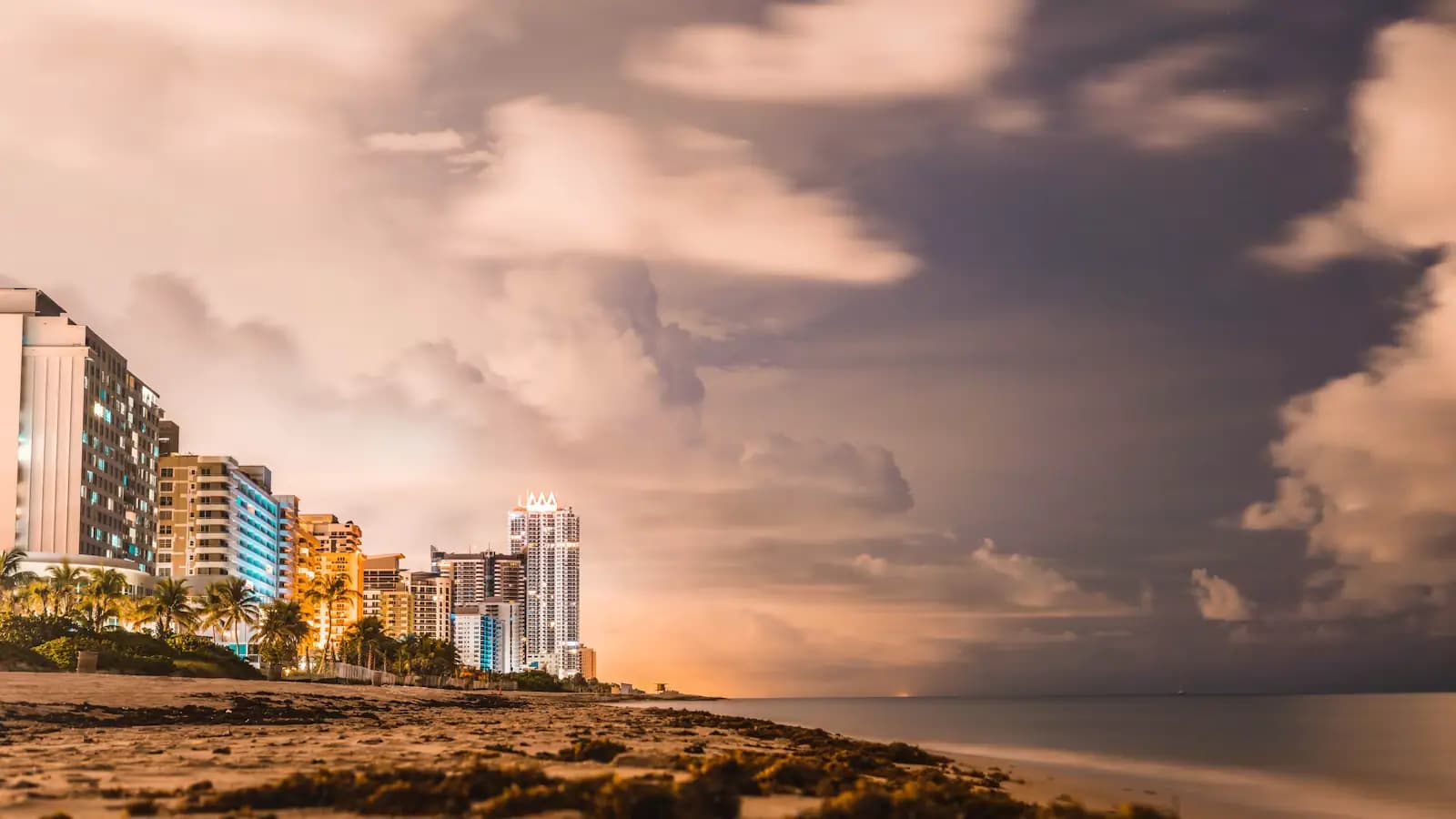
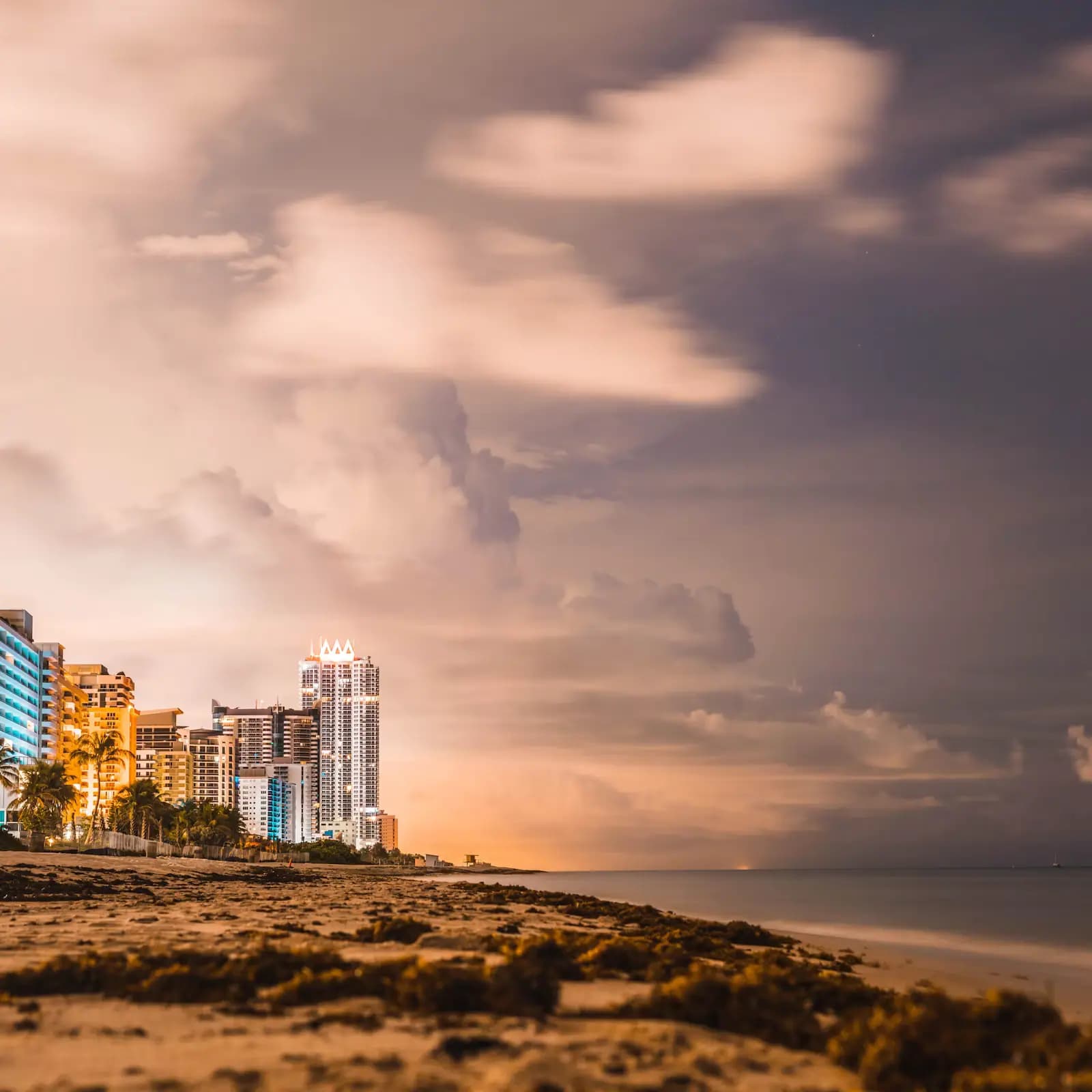
Storm clouds building over a barrier-island shoreline at dusk with lit hotel towers along the sandUnsplash

The first thing to fix is the mental model, because the mental model is what costs people the day.

In most cities, a rainy day is a category of day. You look at the forecast in the morning, see rain, and pick a different kind of day. Miami between roughly May and October does not work like that. The rain here is convective: the sun heats the peninsula through the morning, the sea breezes coming in off the Atlantic and the Gulf collide somewhere over the interior, cumulus stacks up through lunchtime, and somewhere between two and six in the afternoon it opens. Hard. Streets flood, drains back up, thunder is continuous for a while. And then, roughly thirty to sixty minutes later, it stops, the pavement steams, and the evening that follows is frequently the best-looking part of the day.

The numbers behind that: around 45 of Miami's roughly 61 annual inches of rain fall in the wet-season half of the year, but the number of hours it is actually raining is low. High totals, short events. A forecast showing a 60 per cent chance of afternoon storms in July is not telling you that 60 per cent of your day will be wet. It is telling you there is a good chance of a forty-minute interruption at a predictable hour.

Which means the correct response is a swap, not a rewrite. You do not need a list of indoor attractions for a whole day. You need one roofed thing you would genuinely enjoy, held in reserve for the 2pm to 4pm slot, and the discipline to keep the five-o'clock-onwards part of the plan outdoors. Everything below is built on that.

There are two exceptions and this page takes both seriously. The first is anything with a hull: operators cancel boats for lightning, not for rain, and they are right to — Florida records more lightning strikes than any other state. That is a cancellation, not a delay, and it is the one category where the day really does change. The second is a winter cold front, roughly November to April, which brings genuine grey drizzle and air cool enough to need a jacket for a day or two at a time. That is a northern rainy day and it needs a northern rainy-day plan.

Read the first section if it is raining right now. Read the rest once you are under cover.
Swap one block. Do not rewrite the day

When to go

A wet-season Miami afternoon costs you one block of about ninety minutes, including the twenty before it when you should already be moving and the twenty after it when the streets are still draining. Here is what that block should displace.

What you had planned for 2–4pmWhat it becomesWhat moves into 5–8pm instead
A beach afternoonAn indoor anchor near where you areThe beach, at the best light of the day, with the crowd gone
A Wynwood mural walkThe Wynwood galleries, free and air-conditionedThe same murals in evening light, which photograph better
A neighbourhood walk on Calle OchoA long counter lunch under an awningThe walk, cooler and quieter
A bay cruiseNothing. It is cancelled, not delayedAn evening departure, if one exists, which is often the better product anyway
An open-air rooftopIndoors, one floor downThe rooftop, which reopens slowly but does reopen
A drive out to the EvergladesDo not start it nowTomorrow morning. This is a morning trip

Two rules that make the swap work. Front-load every outdoor thing to before noon, particularly anything on water, and you will barely notice the rain for an entire week in July. And keep the reserve list to two items, both within ten minutes of where your afternoon will be, because a reserve list of eight things you have to research in the rain is not a reserve list.

The evening is the reward. After a storm clears, the humidity drops, the light turns, and the city looks better than it has all day.

Three rebuilt afternoons you can lift straight off the page

When to go

Each of these is a finished 2pm-to-8pm sequence for the side of the bay you are already on. No crossing in any of them, because a causeway in a storm is the worst place in this city.

Mainland, without children. 2:00 — the downtown museum park, where two large institutions sit a few hundred metres apart and the fare-free Metromover delivers you between them without a wet walk. 4:00 — the second institution, or a Metromover loop if one was enough. 5:30 — outside again on the baywalk as it clears, facing the island. 7:00 — dinner in Brickell or downtown, walking distance.

Island, without children. 2:00 — the covered stretches of Lincoln Road and the galleries one block off it. 3:30 — a long table somewhere two streets west of Ocean Drive, which is where the food is better and the automatic service charges are not. 5:30 — the deco streets between 5th and 23rd as the light returns. 7:00 — the west side of the island for sunset over the mainland skyline, because the island faces east and the ocean side does not get one.

With children, either side. 2:00 — the science museum and planetarium downtown, which holds three hours and has an aquarium in it, or on the island the covered Lincoln Road blocks plus an early dinner. 5:00 — back outside, straight onto the sand or into a park, because children who have been indoors during a storm need the evening more than the adults do. 7:00 — eat early and locally; the Miami habit of dining at nine does not survive a day like this.

The other kind of rain: a winter front

Everything above describes the wet season. Between roughly November and April the rain is much less frequent and completely different in character, and the plan that works in July fails in January.

A winter cold front brings grey skies, steady drizzle and genuinely cool air for a day, sometimes two. Highs drop into the 60s Fahrenheit and occasionally lower, the wind comes out of the north, and the sea turns choppy. There is no forty-minute window and no golden evening behind it. This happens a handful of times each dry season and it is the closest Miami gets to what most visitors mean by a rainy day.

What that changes. You need a whole-day indoor plan rather than a reserve list, and Miami is honestly thinner on those than a city its size should be — this is a place built around being outdoors. The realistic all-day options are the downtown museum cluster, the Design District and its free contemporary art museum, and the genuinely enclosed malls out at the northern and western edges of the county, which are a long way from anywhere you are likely to be staying. A day chained between two of those is a good day. Three is a stretch.

What else changes. You will want a layer, which nobody packs for Miami and everybody needs in January. The beach is off, not because of rules but because it is unpleasant. Boat trips run — lightning is the summer problem, not the winter one — but a choppy grey bay is a different experience from a flat blue one, so check the wind before you commit. And the light stays poor all day, which matters if photographs are part of why you came.

The compensation is real: a cool, dry, grey Miami day is the only time of year you can walk for six hours here without the heat deciding when you stop.

Move out of it, wait it out, or ignore it entirely

Local tips

Three different responses, and the right one depends on a thing you can check in ten seconds.

Look at the radar's direction of travel, not its colour. Because the storms here are formed by sea breezes colliding over the interior, the heaviest cells frequently sit inland over the western suburbs and the Everglades while the barrier island stays dry — or the reverse, with a cell parked over the beach and clear sky over Doral. Miami-Dade is wide. A cell is often twenty minutes across.

Move, if you have a car and the cell is narrow. Driving twenty minutes east or west genuinely works here in a way it does not in a city with frontal rain. It does not work during the storm itself, when the roads are the worst place to be, so this is a decision you make when you see it coming, not when it arrives.

Wait, in every other case. Forty minutes. Coffee. Done.

Ignore it, if it is a passing shower rather than a storm. Not all wet-season rain is a thunderstorm; a five-minute shower with sun still on the street is common and nothing needs to change.

And one thing that is not rain at all. From roughly September to November, king tides push seawater up through the drains and flood low-lying streets in Brickell, along the Miami River and in parts of Miami Beach — on clear, sunny days. If you see standing water at four in the afternoon in October under a blue sky, that is the tide, it is on a timetable, and it will drain.

Book it

What you can book

We could not find tours matching this right now

Nothing came back for Miami museum ticket. Operators add and retire experiences constantly, so this list changes week to week. Try a broader category, or come back in a day or two.

The next twenty minutes, by where you are standing

Before you book

The cell is visible, the thunder has started, and you have a few minutes. Do this, not a search.

  • On the sand. Get off it. Lifeguards clear the water and the beach when thunder is audible and that is not excessive caution — open sand beside open water is the wrong place to be. Head inland one block, not along the shore.
  • In the water, on a board or in a kayak. Out immediately, away from the shoreline, into a building. This is the one on this list that is genuinely dangerous rather than inconvenient.
  • In Wynwood. The galleries. They are free to enter, air-conditioned and clustered within a few blocks, and they are the only shelter in a district of blank warehouse walls with no canopy.
  • Downtown or in Brickell. Get on the Metromover. It is elevated, covered, air-conditioned and fare-free, a full loop takes about twenty minutes, and you can stay aboard as long as you like. It is the best free shelter in the city.
  • On Lincoln Road or Ocean Drive. Head for the covered stretches and the side streets, not the open middle of the road. Order something. Wait.
  • Anywhere at all in the county. Find a ventanita — a walk-up coffee window with an awning — and stand under it with a cortadito. Forty minutes of that is a better hour than most paid attractions here provide.
  • In a car. Stay in it and stop driving if you can. Drainage and driving standards both fall apart fast in heavy rain here, and the causeways and I-95 are at their worst in exactly this window.

What not to do: call a car. Everybody else is doing that right now, on foot, and the wait and the price both reflect it.

What a storm actually cancels, and what it only delays

How they compare

This distinction decides one thing: are you rescheduling a booking, or just getting wet? Cancellation and refund terms vary by operator rather than by platform, so check yours rather than assuming.

BookingWhat happensWhat to do about it
Bay cruise, sailing, snorkel tripCancelled for lightning, not rain. This is a safety call and it is the right oneBook morning departures in the wet season and prioritise free cancellation
Jet ski and watersports rentalSuspended while the cell is overhead; often resumesExpect a wait, not a refund
Airboat tripRuns in rain; stops for lightning. Operators are 30–45 minutes west, so the cell over you may not be the cell over themCall the operator, not the app
Helicopter tourCancelledRebook for a morning slot
Walking tourUsually runs. Guides here expect this weatherBring nothing but a willingness to stand under an awning for ten minutes
Open-top busRuns; the top deck closesFine, and the crossing is still the good part
Museum, gallery, aquariumUnaffected, and busierGo at the start of the storm, not the middle, to beat everyone else having the same idea
Open-air rooftop barCloses fast, reopens slowlyHave a ground-floor alternative
Outdoor market or street festivalPatchy. Stallholders pack up for lightningCheck the event's own channels

The pattern: anything on water is a cancellation, anything on land is a delay. That single line is most of what you need.

The part that is not about your itinerary

Before you book

Florida records more lightning strikes than any other state, and South Florida sits at the busy end of that. Treat the following as rules rather than as caution.

When thunder is audible, the storm is close enough to strike you. Get off open sand, out of the water, off open playing fields and away from isolated trees. Lifeguards clear Miami Beach's water and sand for exactly this, and arguing with them is a bad use of your afternoon.

A car is a reasonable shelter; an awning is not, and a beach umbrella is worse than nothing. Get inside a building or a hard-topped vehicle.

Do not drive through standing water. Miami's streets flood fast and drain slowly, and it is not possible to judge the depth from the driver's seat. This applies to king-tide flooding on clear days as much as to storm water.

Operators pulling boats are not being cautious. They are following the only sensible rule there is on open water in an electrical storm. If your trip is cancelled for lightning, that is the system working.

Hurricane season runs 1 June to 30 November, peaking from August through October. A tropical system is a different category of event from an afternoon storm, it is forecast days ahead, and it is a conversation about your whole trip rather than your afternoon. Follow the National Hurricane Center and whatever your accommodation tells you, not a weather app's headline, and treat travel insurance as genuinely worth having if you are travelling inside that window.

On the ground

Where to go

Every place below has its own page — hours, parking, what it costs and what to expect when you get there.

  • A formal terraced garden with clipped hedges and stone steps leading down towards water
    Historic site

    Vizcaya Museum and Gardens

    Closed Tuesdays, timed entry, two hours minimum — the one Miami stop you build the rest of the day around.

    1.5–3 hoursTicketed, with advance online booking advised. Adult rates have recently been published anywhere from around $20 to the high $30s depending on what is open, with lower rates for children, students and seniors.

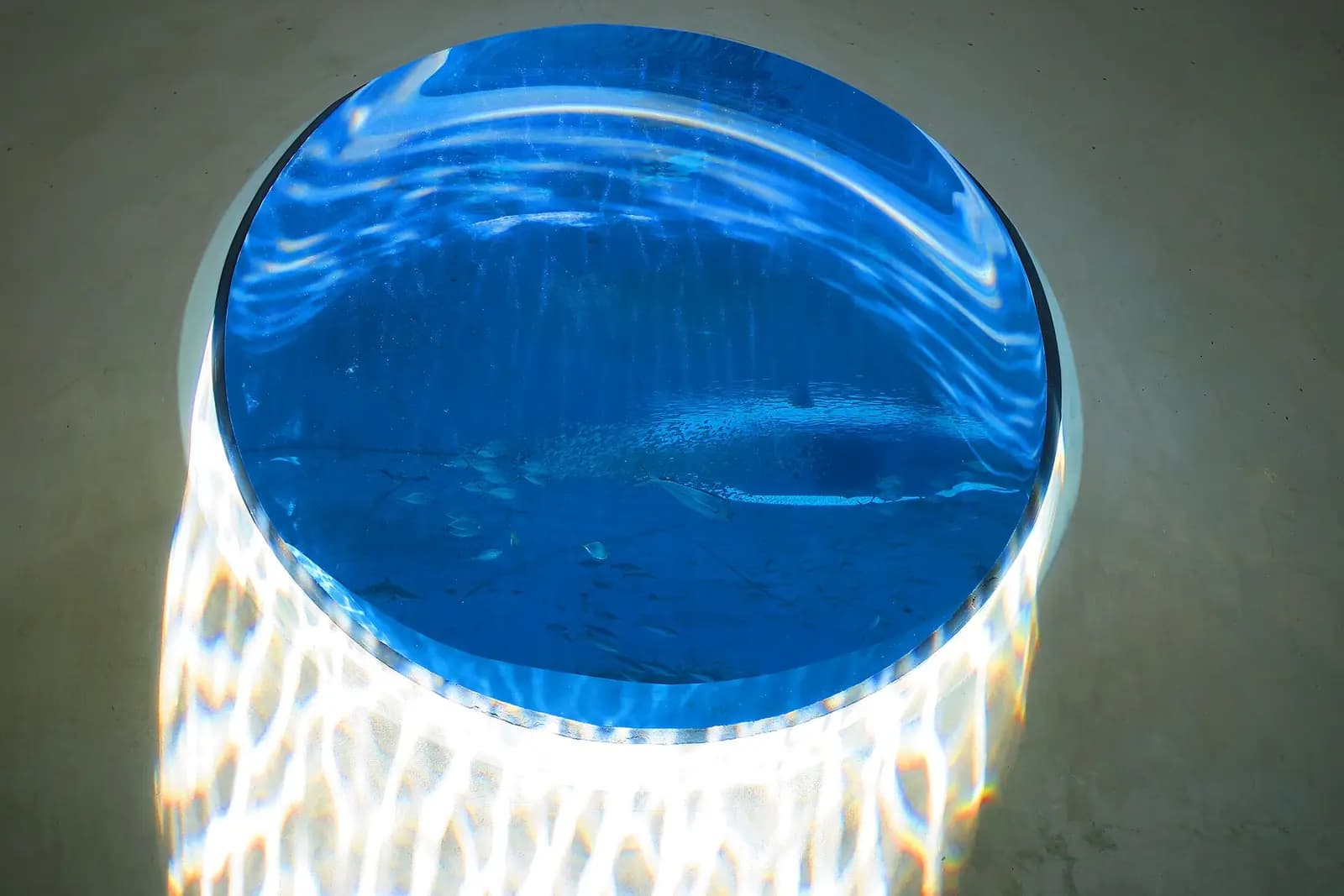
  • The acrylic oculus beneath the Gulf Stream Aquarium at Frost Science, seen from below with fish passing overhead
    Museum

    Phillip and Patricia Frost Museum of Science

    Book the planetarium show the minute you walk in — everything else about the visit arranges itself around that slot.

    2–4 hoursTicketed. Adult admission has recently been published in a range of roughly $23 to $30 depending on the day, with lower youth rates, and one planetarium show is normally included subject to availability.

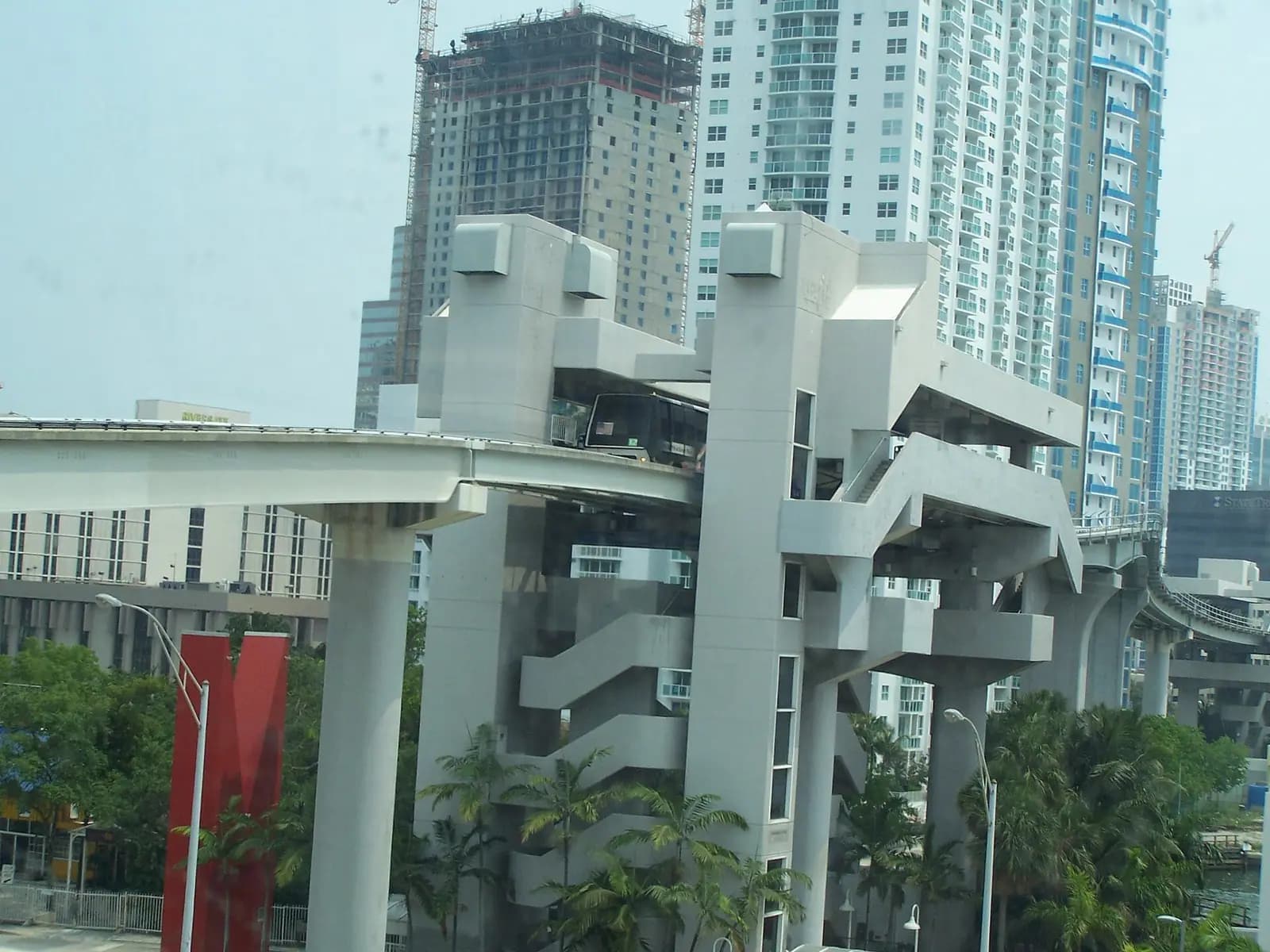
  • The elevated Riverwalk Metromover station and its concrete guideway between downtown Miami towers
    Free
    Landmark

    Metromover

    Thirty free minutes with a skyline view, and the only reliable dry seat in downtown Miami when a storm arrives.

    0.5–1 hoursCompletely free. There is no ticket, no tap and no gate on any of the 21 stations or three loops.

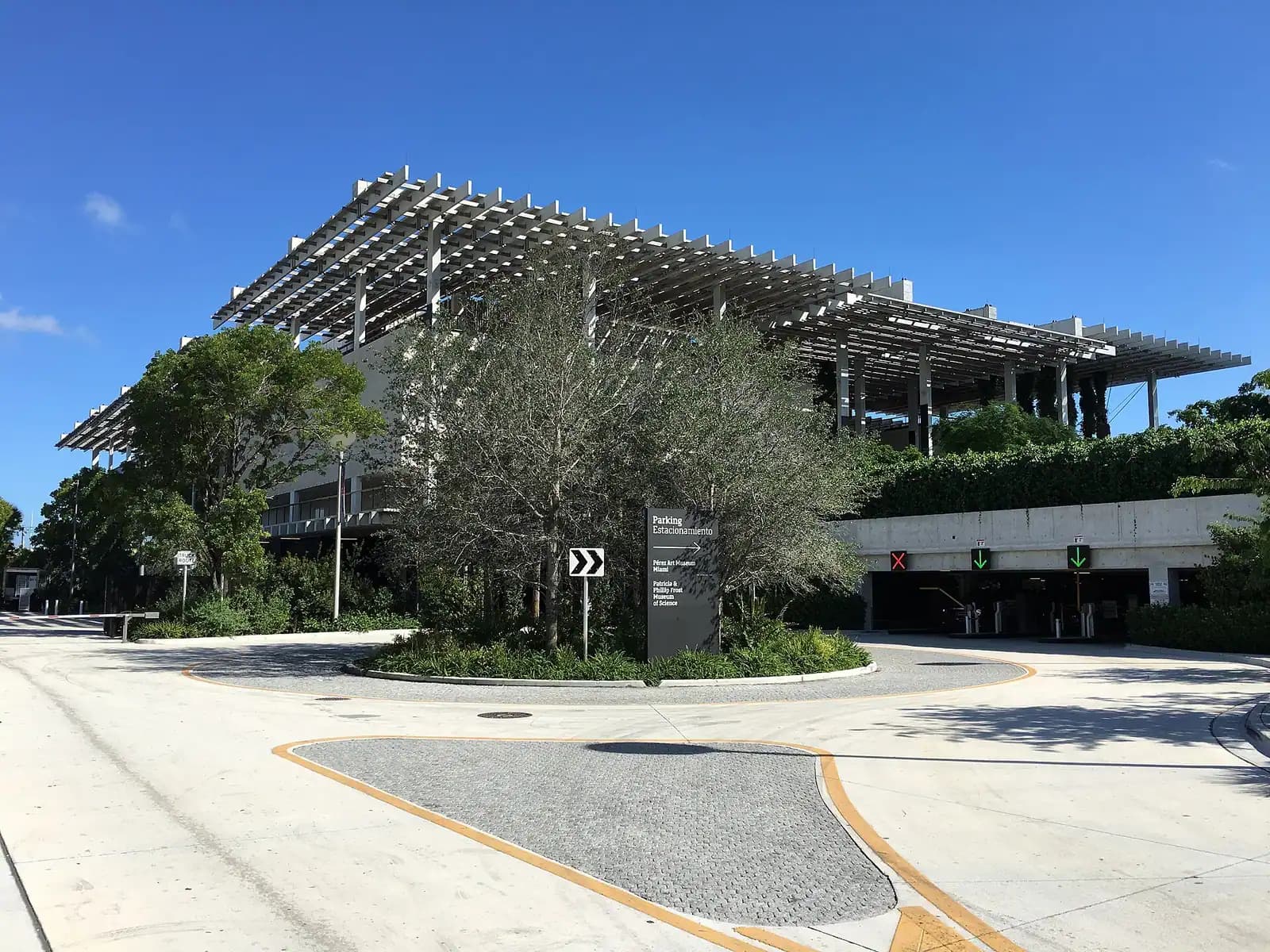
  • A wide covered terrace overlooking calm bay water with hanging planted columns along its edge
    Museum

    Pérez Art Museum Miami

    Ninety minutes, a recurring free evening, and a shaded bayfront veranda you can sit on without a ticket.

    1–2 hoursTicketed, with adult admission recently listed in the mid-teens and reduced rates for youth, students and seniors. Free entry has run on Thursday evenings and on the second Saturday of each month.

  • A pedestrianised shopping street with cafe tables set out beneath trees and awnings
    Free
    Shopping

    Lincoln Road

    Eight pedestrian blocks, ten minutes from the sand, and the only reliable cover on the island when the sky opens.

    1–3 hoursFree to walk, and the free outdoor programming at the eastern end costs nothing when it is running. Food, shopping and parking are the only expenses.

  • A geodesic dome structure standing in an open paved plaza between modern buildings
    Free
    Shopping

    Miami Design District

    Ten minutes north of Wynwood and indoors, which makes it the answer to both the storm hour and the heat.

    1.5–2.5 hoursFree to walk. The plaza dome, the commissioned garage facades and the public art cost nothing, and the contemporary art museum has long offered free general admission.

  • Pleasure boats moored in a downtown marina with office towers rising behind them
    Free
    Shopping

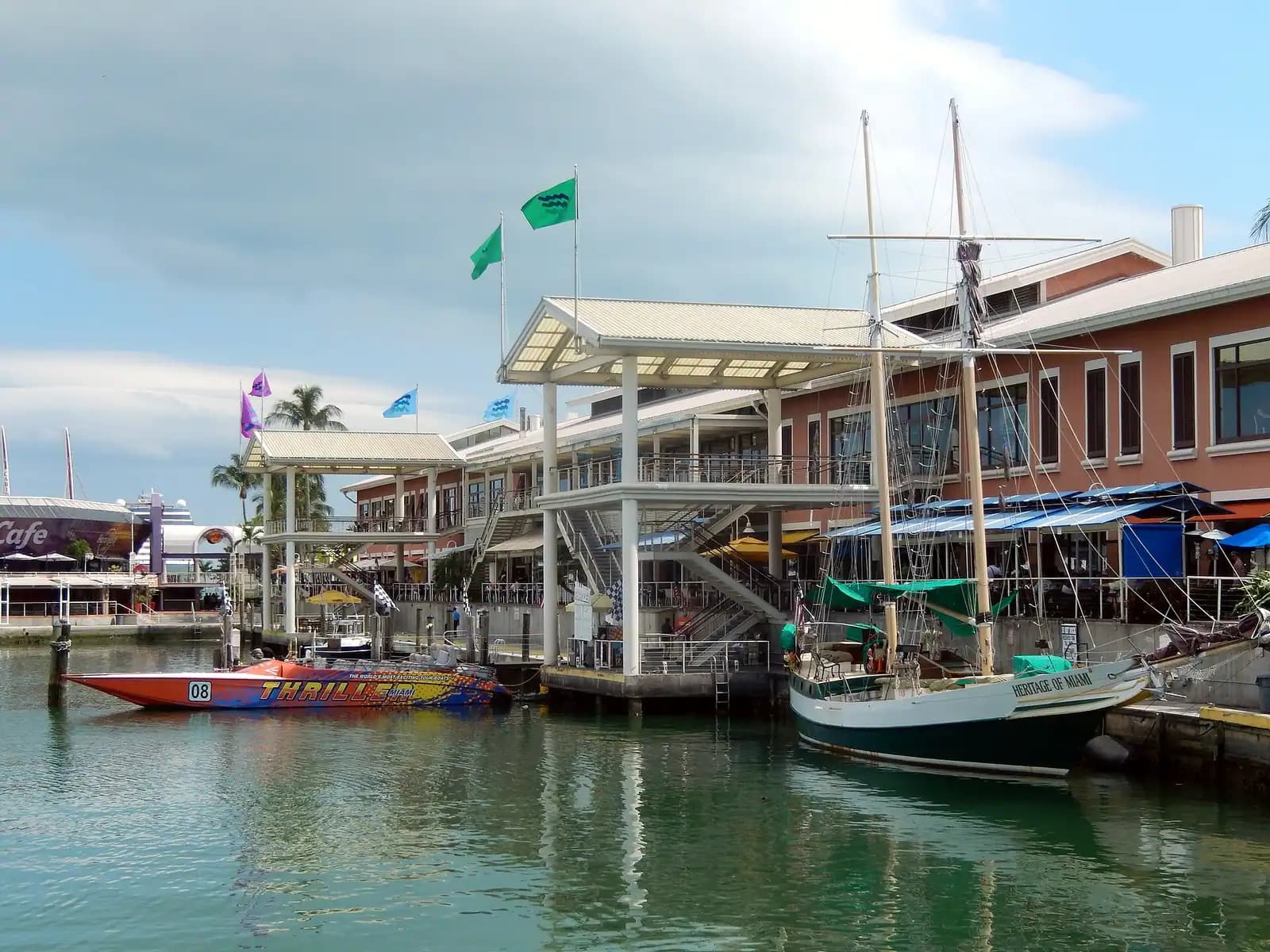
    Bayside Marketplace

    Where your boat leaves from. Arrive thirty minutes early, and know exactly what to do with those thirty minutes.

    1–2.5 hoursFree to enter and walk. Bay cruises, speedboat rides and the observation wheel are each ticketed separately by their operators.

Straight answers

Questions people actually ask

How long does rain last in Miami?

In the wet season, roughly May to October, a typical afternoon thunderstorm lasts about thirty to sixty minutes and usually arrives between two and six. Around 45 of Miami's roughly 61 annual inches fall in that half of the year, but the number of hours it is actually raining is low. A winter cold front is different: grey drizzle and cool air for a day or two, a handful of times each dry season.

What can you do in Miami when it rains?

Swap one block rather than rewriting the day. Put ninety minutes indoors from about two o'clock — the downtown museum park on the mainland, the covered Lincoln Road stretches on the island, a Wynwood gallery, or a coffee window with an awning — and keep everything from five onwards outdoors. The Metromover is elevated, air-conditioned and free, and a full loop is about twenty minutes of shelter with a view.

Do Miami boat tours run in the rain?

They run in rain and stop for lightning, which is the distinction that matters. Florida records more lightning than any other state, so operators pull vessels when there is electrical activity, and that is a cancellation rather than a delay. Book morning departures between May and October, prioritise free cancellation, and check the individual operator's terms, since they vary rather than following one platform-wide policy.

Is a rainy day in Miami a wasted day?

Almost never in summer. The storm builds through the middle of the day, opens for thirty to sixty minutes, and leaves behind the best light and the coolest air of the day, with the crowds gone from the beach. Visitors who look at a radar image at three o'clock and cancel the evening are the ones who lose the day. A winter cold front is the genuine exception, and it needs a whole-day indoor plan.

Is it safe to be on the beach during a Miami thunderstorm?

No. Open sand next to open water is one of the worst places to be in an electrical storm, and lifeguards clear the water and the beach when thunder is audible. Go inland a block and get inside a building or a hard-topped car — an awning or a beach umbrella is not shelter. The same applies to open parks and playing fields. This is the one weather rule here that is about safety rather than comfort.

Can you drive out of a Miami rainstorm?

Often, but decide before it arrives rather than during it. The sea breezes off the Atlantic and the Gulf collide over the interior, so cells frequently sit inland while the barrier island stays clear, or the reverse, and the county is wide enough that twenty minutes east or west genuinely works. Once the storm is overhead, stop driving instead: drainage and driving standards both deteriorate sharply, and the causeways are at their worst.

Why do Miami streets flood when it is not raining?

King tides. From roughly September to November, seasonal high tides push seawater up through the storm drains and flood low-lying streets in Brickell, along the Miami River and in parts of Miami Beach, on clear sunny days. It runs on the tide timetable rather than the forecast, and it drains. Do not drive through it — depth is impossible to judge from the driver's seat, and salt water is unkind to a rental car.

What indoor activities does Miami have for a whole rainy day?

Fewer than a city this size should have, and that is worth knowing before a winter front arrives. The realistic chain is the downtown museum park, where an art museum and a science museum with an aquarium and planetarium sit a few hundred metres apart on the free Metromover, plus the Design District with its permanently free contemporary art museum. The genuinely enclosed malls are out at the county's northern and western edges.