Little Havana Food and Walking Tour in Miami (opens in a new tab)
Join us on a culinary and cultural walking tour of Little Havana where you will discover the traditions, history, music and flavors of…
2–3 hours
Prices checked
Museum
Last updated
Book the planetarium show the minute you walk in — everything else about the visit arranges itself around that slot.
Photo: Chris DignesPublic domain
One operational detail decides whether this visit goes well, and it is not the ticket. The planetarium show that comes with admission is booked on site, on the day, subject to availability. Walk in at two on a rainy Saturday and the good slots are gone. Walk in at opening, book the show first and then work outwards from it, and the whole three hours falls into place.
So treat the dome as the fixed point. Everything else here — the aquarium levels, the hands-on floors, the roof — is walk-up, flexible and can be reordered around whatever time you are given.
Allow three hours. Two is enough for adults moving briskly; families with children under ten routinely spend four and leave things undone. That makes this one of the few Miami stops that genuinely fills a half day indoors, which is why it appears here rather than on a list of things to look at.
Its real job on a planner is weather. From June to October the mid-afternoon storm arrives with about twenty minutes of warning, and most of this city's attractions are outdoors on open pavement. This one is not, it is on the free Metromover, and the art museum is a two-minute walk across the same park. The catch is that everybody else's rainy-day plan says the same thing: on a wet afternoon in high season the queue and the show slots go early.
Its second job is children. A Miami day with kids has two hard hours in it — roughly one to three, when it is too hot and too bright to be outside — and this block covers them completely, with restrooms, food and air conditioning under one roof. Put the beach before it and the Metromover after it, and the day is done.
Frost Science is on the downtown Miami bayfront, on the mainland, in the same park as the art museum next door.
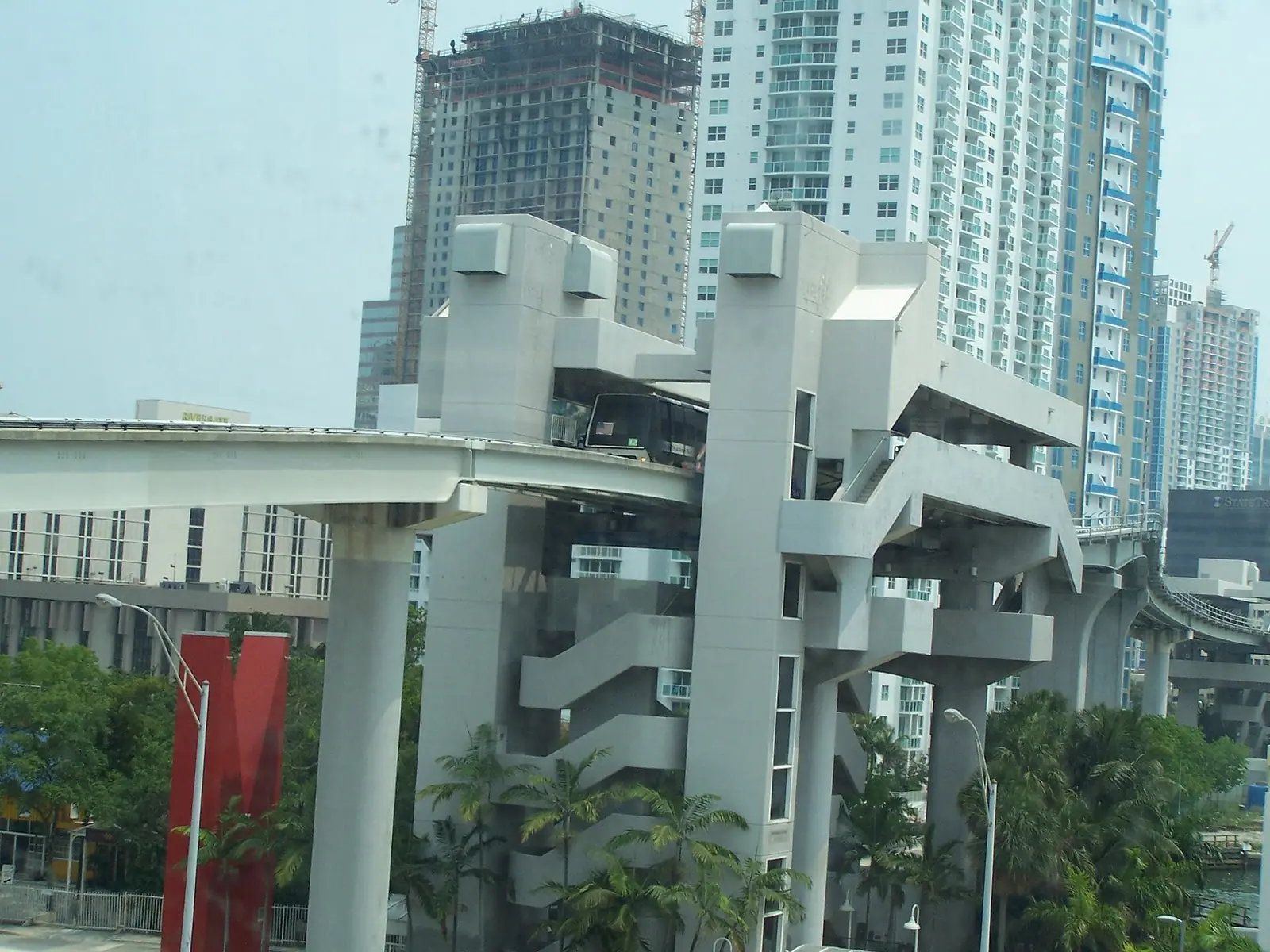
Metromover is the best way in and it is free. The museum park has its own station, elevated and sheltered, with connections south over the river into Brickell and around the downtown loops. It does not cross the bay to Miami Beach.
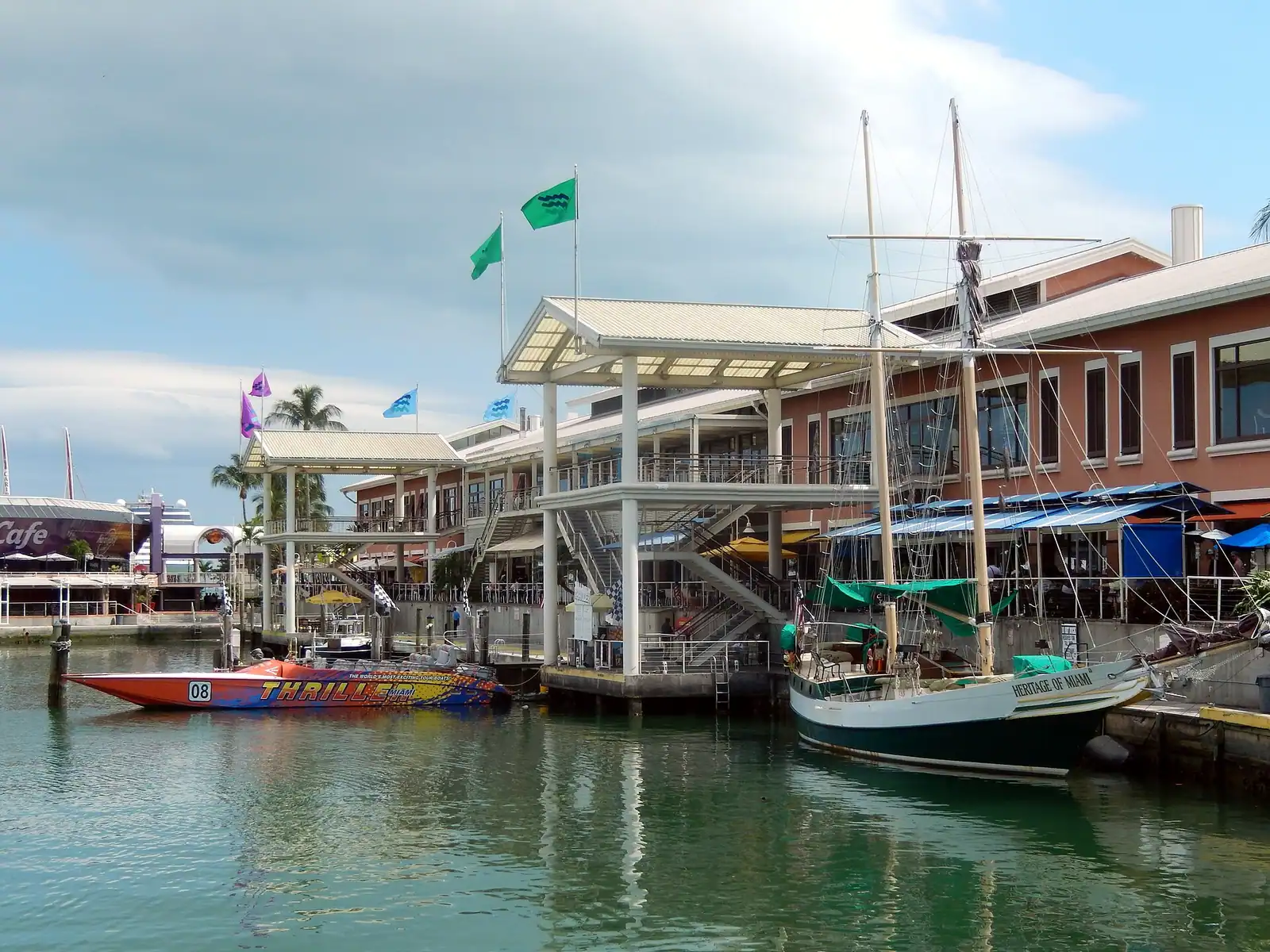
Walking works from anywhere central: two minutes to the art museum, ten to Bayside and the boat docks, fifteen to twenty into Brickell.
Driving means a paid garage in the park or nearby. There is no free parking in this part of downtown and event nights at the neighbouring arena make it considerably worse.
From MIA, twenty-five to thirty-five minutes off-peak, which makes this a workable layover block.
From South Beach, the MacArthur Causeway runs twelve to fifteen minutes mid-morning and forty to fifty around six in the evening.
The planetarium show is included with admission but is not reserved when you buy the ticket. It is allocated on site and it runs out.
| Step | When | Why |
|---|---|---|
| Buy admission online in advance | Before you travel | Advance rates are usually lower than the gate |
| Arrive at opening | First 30 minutes of the day | Show slots are at their widest |
| Book your dome slot at the desk | Immediately on entry | This is the only thing here you cannot do later |
| Fill the time before it | Aquarium levels | They are the strongest part and the most crowded by midday |
| Fill the time after it | Hands-on floors and the roof | Flexible, and fine with tired children |
If you cannot arrive at opening, go anyway and ask what is left, but expect a later slot than you wanted and build the rest of the afternoon around it rather than the reverse.
If the dome is full, admission still stands on its own and the aquarium is worth the visit. Do not let a missed show turn into a cancelled morning.
This is not a forty-five minute stop, and planning it as one is how people end up paying full admission for a third of a museum.
Where to eat matters here more than usual, because leaving and coming back is a faff. There is food on site, and Bayside is about ten minutes on foot if you want more choice and lower prices.
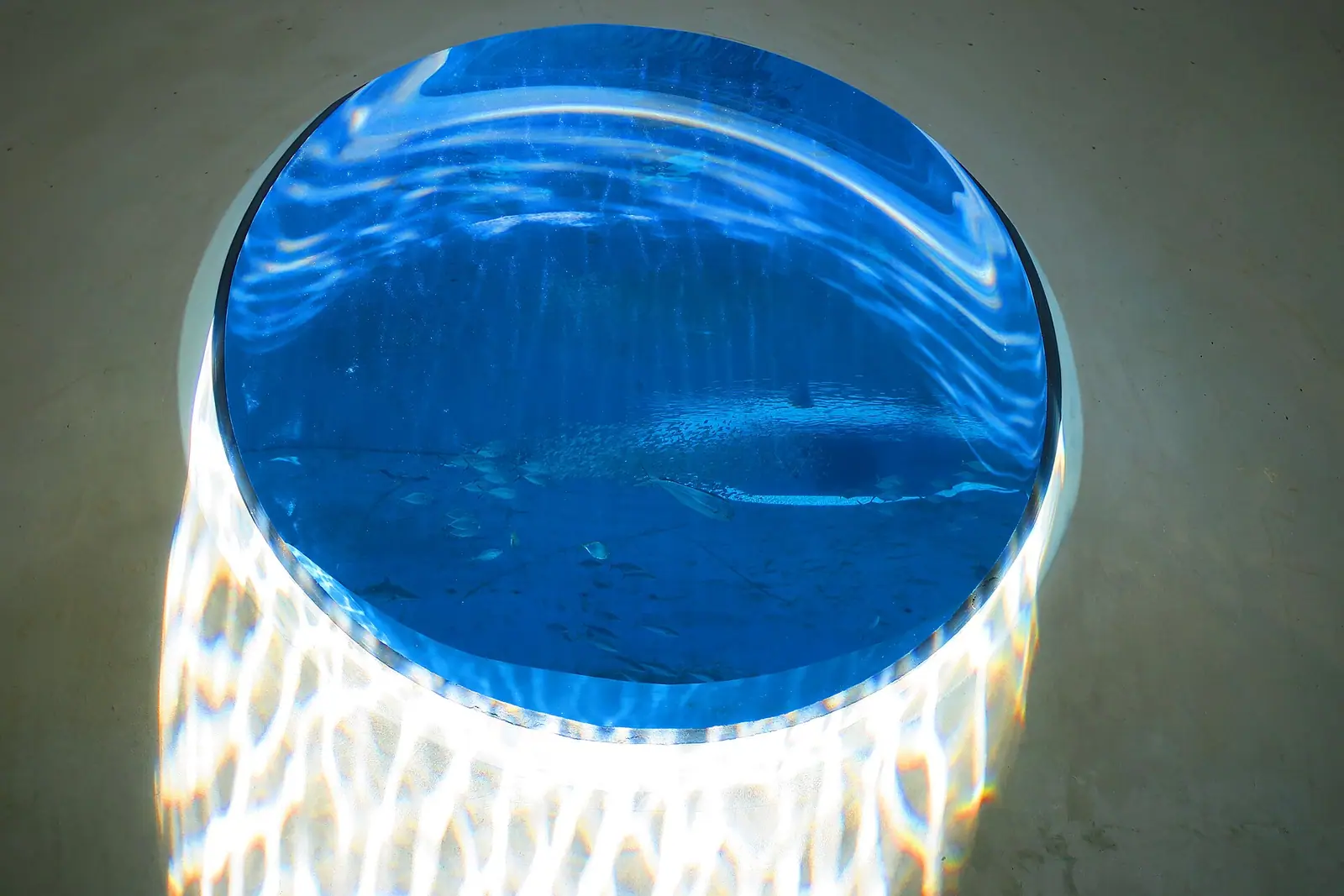
The roof is the underrated part. You look down into the top of the big tank from above, which is a completely different view from the one you get through the glass three floors below.
This is the most reliable indoor block in Miami, which is exactly the problem with it on a wet afternoon.
From June to October, the storm builds through the late morning and breaks somewhere between two and four. It typically lasts thirty to forty minutes rather than the whole afternoon, and it empties every outdoor attraction in the city into the small number of indoor ones. This museum, the art museum next door and the covered retail blocks absorb most of that.
So invert the logic. Do not save this for the rain. Book it for a morning, and keep something genuinely flexible — a long lunch, the covered blocks in Brickell, a free Metromover loop — as the actual wet-weather fallback. That way a storm costs you nothing and the museum is quiet when you are in it.
If your rainy day is a Saturday in high season, arrive at opening or accept a later dome slot and a busy aquarium.
The saving grace: the Metromover station serving the museum park is free, elevated and sheltered, so arriving and leaving in the rain is genuinely dry. That is not true of most alternatives.
The museum park is the densest concentration of walkable, causeway-free things on the mainland, which is what makes this block easy to chain.
For a layover, this plus the Metromover is a clean three hours with a predictable return to MIA of twenty-five to thirty-five minutes.
Operators run these trips past Frost Science, or stop there as part of a longer route. We list what the booking data supports — not everything that mentions the name.
Booking from here earns us a commission through Viator. Your price stays the same and the picks were made before any of it.
Straight-line distances, so allow more on the road — the island is long and has one main parkway.
Where this place fits into a day, and the pages that plan one.
Three hours is the standard, and it is not a forty-five minute stop. Two hours works for adults moving briskly through the aquarium plus one planetarium show. Families with children under ten routinely spend four and still leave things undone, which is why this is one of the few Miami attractions that genuinely fills a half day indoors.
One show is normally included, but it is allocated on site on the day rather than reserved when you buy the ticket, and slots run out. Book your show at the desk the moment you walk in, then plan everything else around the time you are given. Arriving at opening gives you the widest choice; arriving mid-afternoon on a wet Saturday often gives you none.
It is the most reliable indoor block in the city, which is exactly why it fills when it rains. Summer storms are usually thirty to forty minute afternoon cells, and every outdoor attraction empties into the few indoor ones at once. Better to book this for a morning and keep something flexible — a long lunch, a free Metromover loop — as the actual wet-weather fallback.
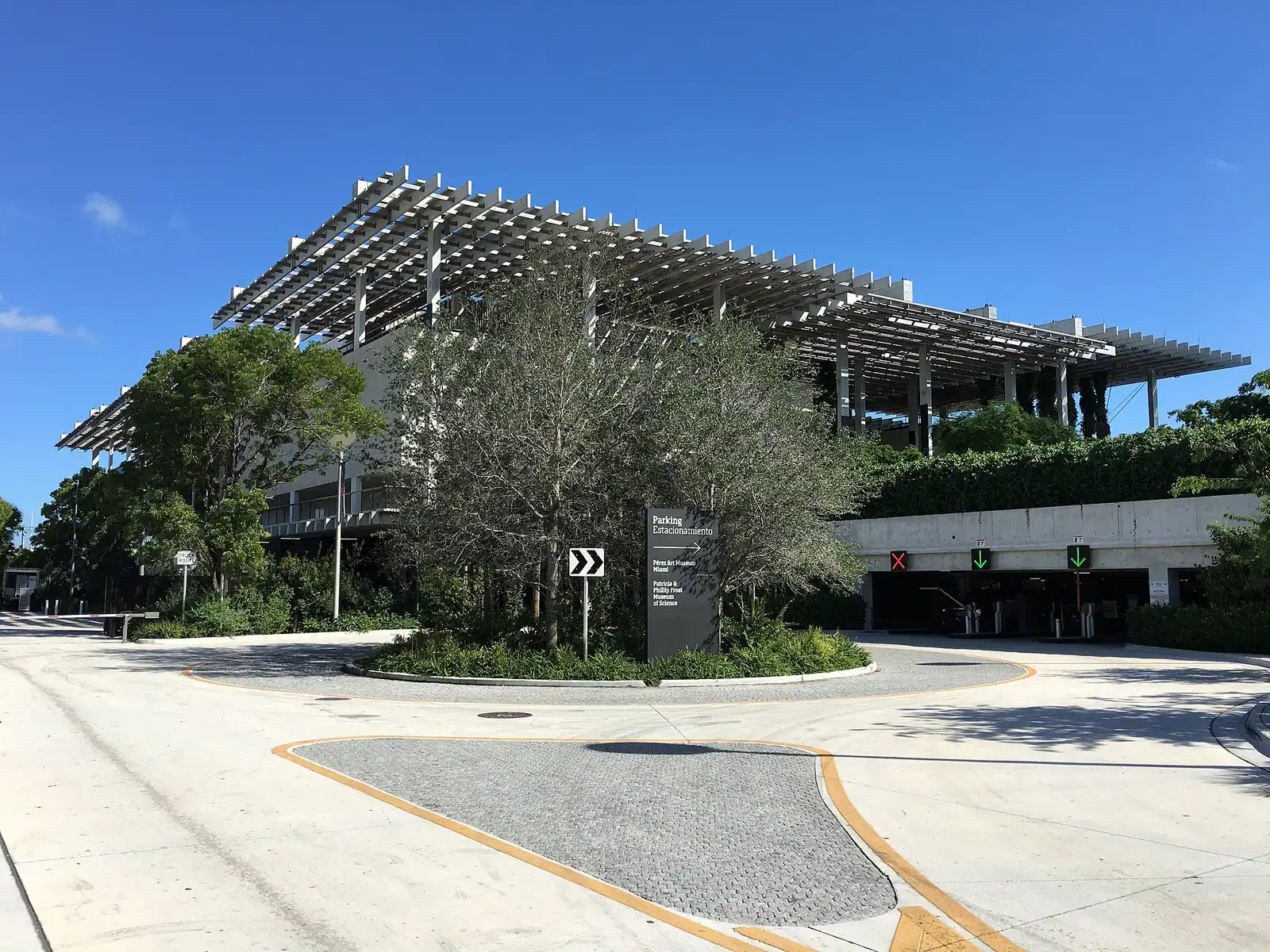
Easily. They sit in the same bayfront park, two minutes apart on foot, and a combined ticket has been sold at a small discount. The art museum is the lighter of the two — ninety minutes covers it — so the usual order is three hours here first, then next door, with the free shaded veranda over the bay at the end of it. Together that is a full mainland day.
The free Metromover serves the museum park directly, and the station is elevated and sheltered, which makes arriving and leaving in the rain genuinely dry. It connects south over the river into Brickell and around the downtown loops. Bayside and the boat docks are ten minutes on foot. From MIA it is twenty-five to thirty-five minutes by road off-peak.