Skip to content
Search
Menu

We earn a commission if you book through this link. You pay the same price.

Everything

Miami for Adults: The Night Runs on a Later Clock Than Yours

Last updated

Things to do in Miami for adults, planned by the hour: when the night actually starts, which side of the bay to be on, and how to get home at two.

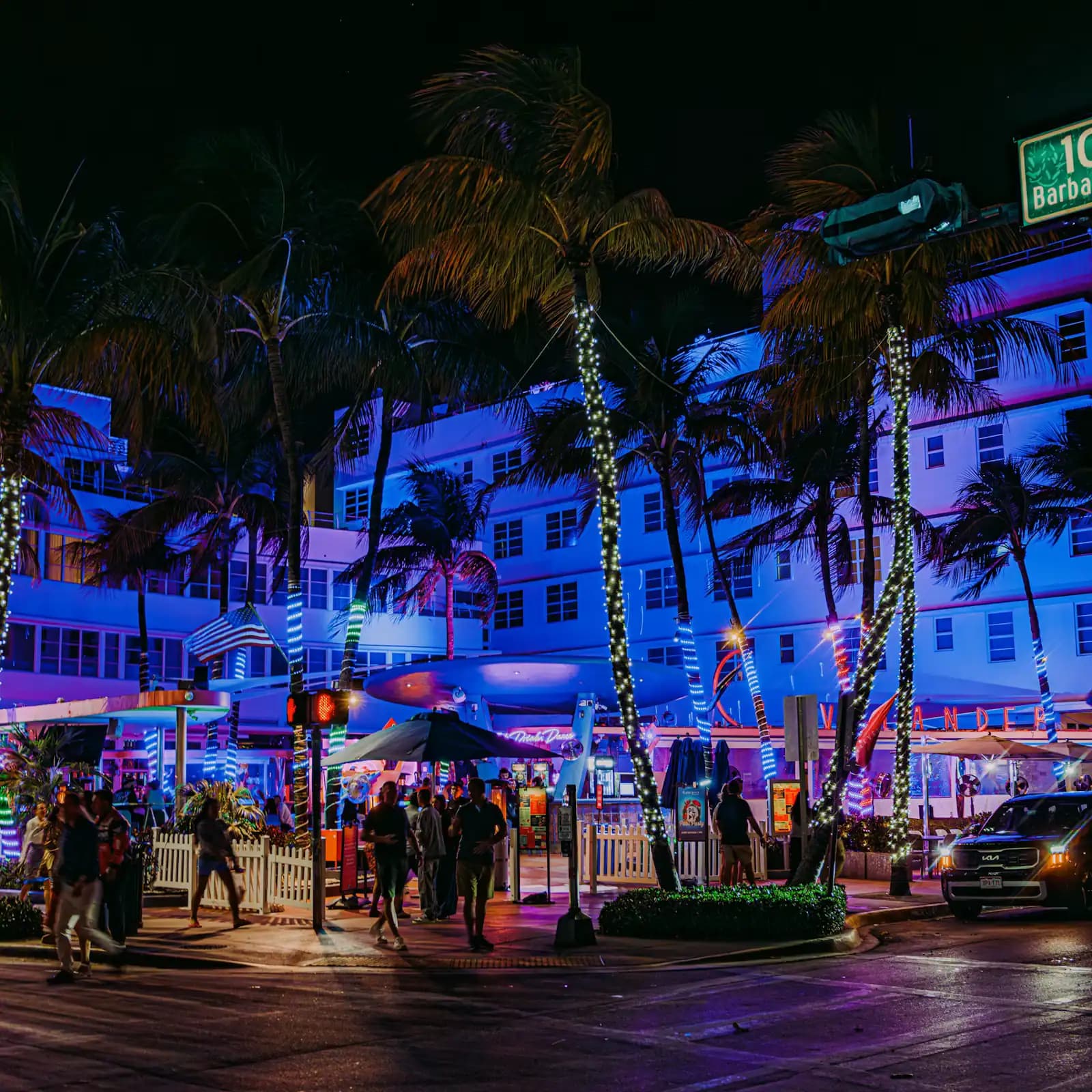
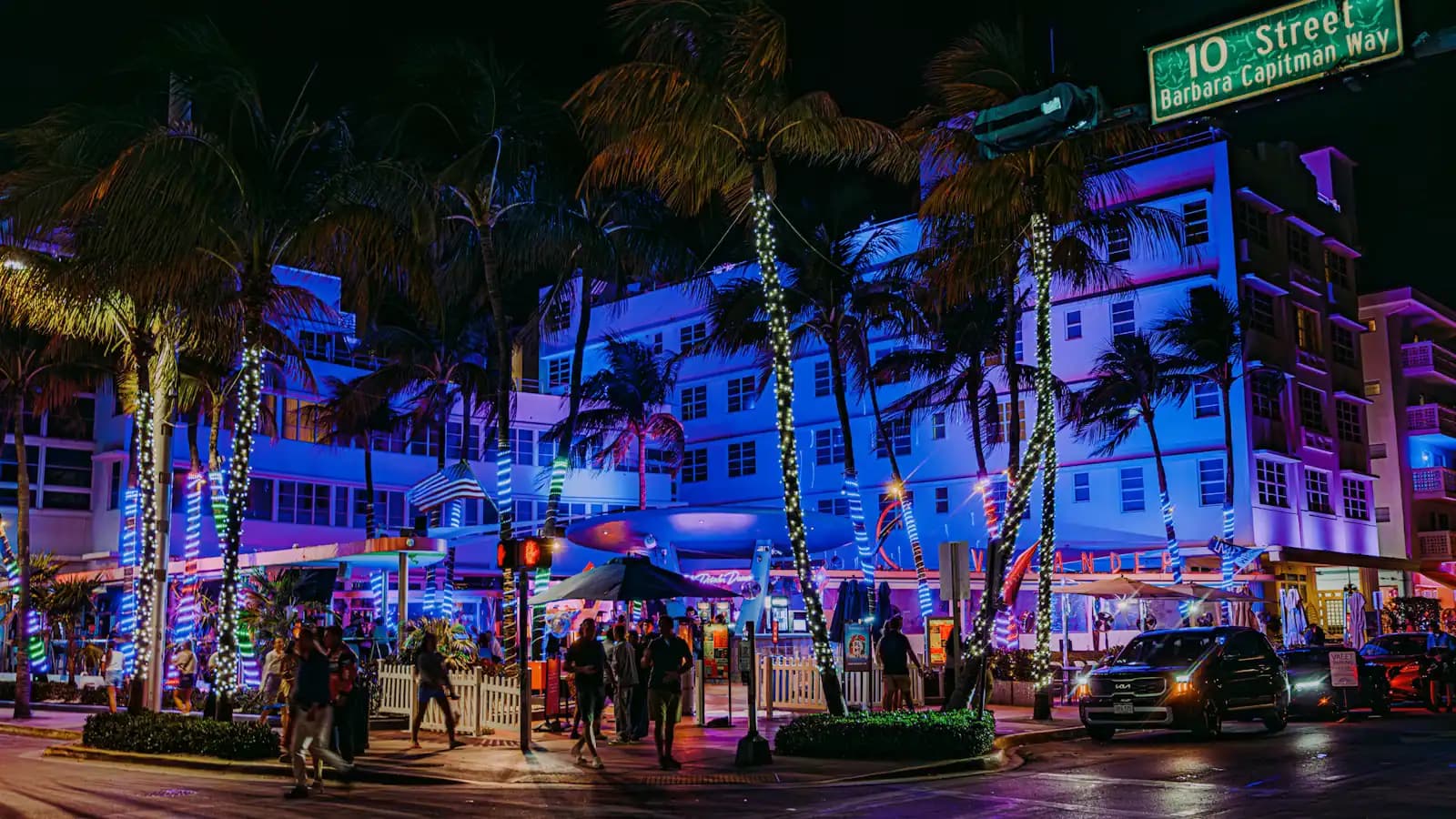
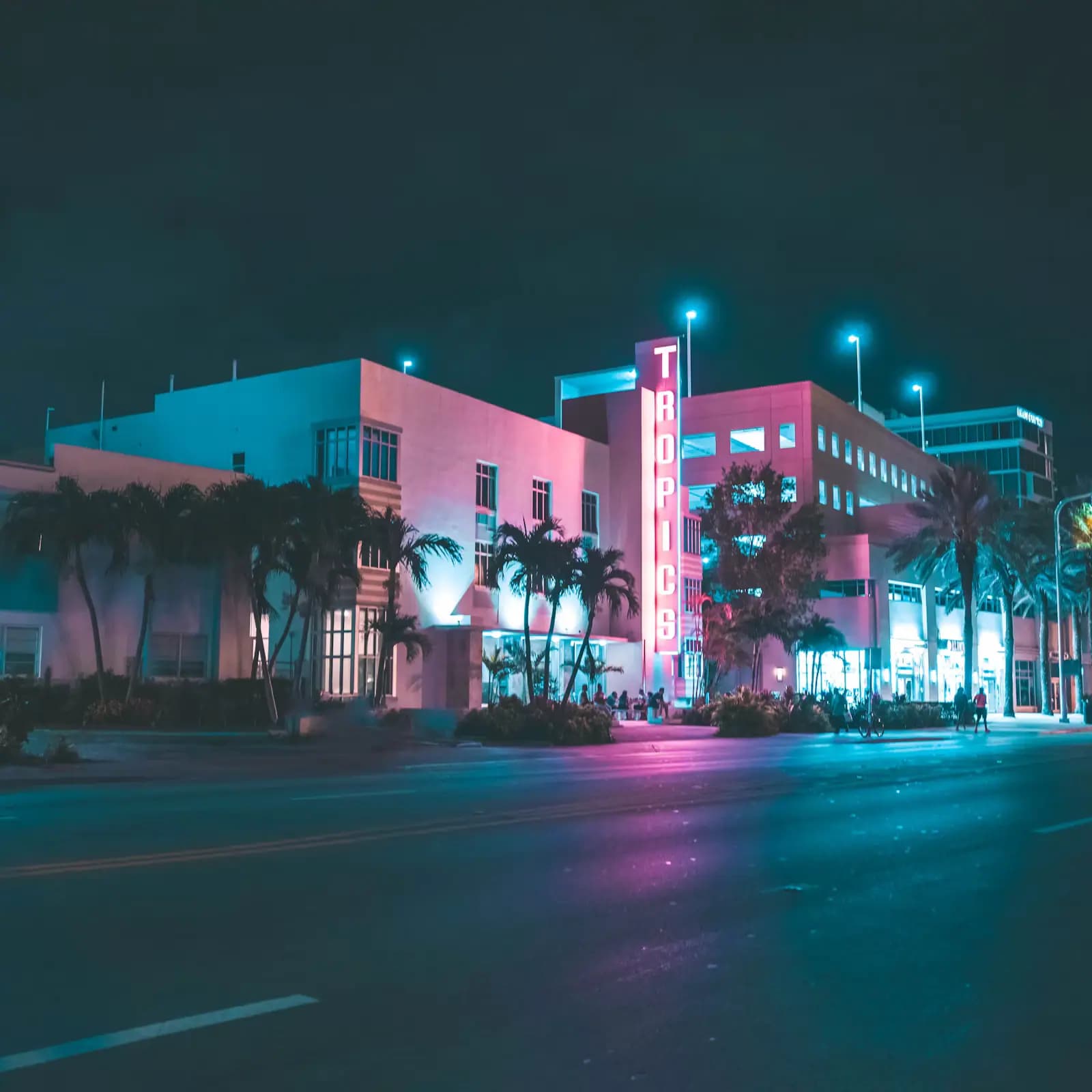
A neon-lit Art Deco hotel frontage with a vertical name sign on a palm-lined street after darkUnsplash

The most common mistake adults make here is arriving on time. A visitor books dinner at seven, arrives at a bar at nine expecting it to be full, finds forty people in a room built for four hundred, and concludes the city is overrated. It is not overrated. It is two hours behind you.

Miami's night runs late by American standards and merely normal by Caribbean and Latin American ones, which is what it actually is. The useful sequence is roughly this: the good light and the rooftops from five, dinner from nine, bars filling around eleven, and anything with a queue outside it not making sense until well after midnight. If you want to be in a room when it is at its best, you are going out at eleven and getting home at three, and a plan that has you starting at six and finishing at eleven will show you a series of half-empty places and charge you full price for the privilege.

That has a consequence for the rest of the day, and it is the single most useful thing on this page: a late night and an early morning cannot both happen, and in this city the mornings are genuinely excellent. Pick, per day, rather than attempting both and being tired for all of it. On a three-night trip, one big night is right. Two is possible. Three is a different holiday and you will not see any daylight worth having.

The geography matters at night more than it does in the day, because the traffic problem inverts. Miami is on the mainland and Miami Beach is a separate city on a barrier island, and the causeways between them are worst in the two hours either side of six and expensive again at two in the morning, when a large number of people try to leave the same few blocks at the same moment and rideshare prices respond accordingly. Choose your side before nine o'clock and stay on it.

The last variable is the calendar. Sunset here moves nearly three hours across the year — about 5:30pm at the end of November, just past 8:15pm at the start of July — which means the golden hour that opens the evening is either an early drink or a late one depending on the month. And two monthly fixtures are worth planning around rather than stumbling into: the last Friday of the month on Calle Ocho, and the second Saturday in the mural district.

Below: the four slots of the night, how to pick a side, what it costs and how it inflates, and the two o'clock problem.
The four slots of a Miami night

When to go

Treat these as four separate decisions rather than one evening, and do not attempt all four in a night unless you have nothing on the following morning.

SlotHoursWhat it isThe catch
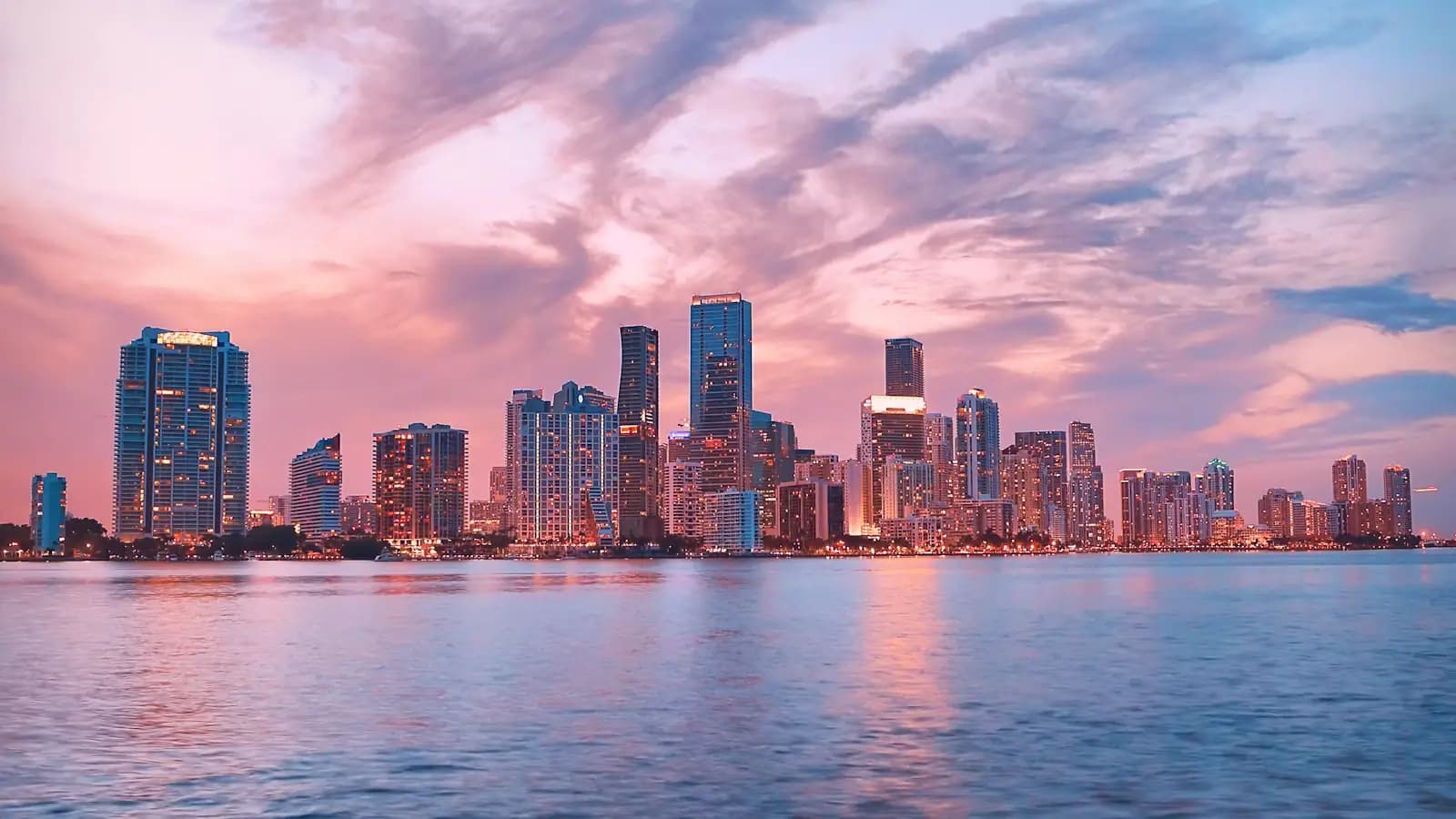
Golden hour5:00–7:30pm, later in summerRooftops, bayfront terraces, the last of the light over the mainland skylineOpen-air rooftops close fast in a summer storm and reopen slowly
Dinner8:30–10:30pmLong, loud, unhurried. Booking at seven means eating in an empty roomAn automatic service charge is standard; read the check
Bars10:30pm–1:00amThe hour the city actually turns up. Live music, neighbourhood bars, hotel barsA place that is quiet at ten is not a bad place; it is early
Late1:00–4:00amThe rooms with queues, the DJ bookings, the after-hoursGetting home is the expensive part, not getting in

Two structural notes. The golden-hour slot is the only one that moves with the season: in December it is an early drink at half past five, and in July it is still bright at eight. And the gap between dinner and late is the one slot worth spending on live music rather than a queue, because this city has a great deal of it and almost none of it requires a door policy.

The discipline that makes this work. Decide before dinner which of the last two slots you are doing. Attempting both, on the wrong side of the bay, is how a night ends in a forty-minute wait for an expensive car at three in the morning.

What a night costs, and the four ways it inflates

What it costs

Bands, and verify before you commit to anything. The base cost of a night out here is ordinary for a major city; the inflation is where people get caught.

  • The automatic service charge. Standard practice across South Florida, frequently around a fifth of the bill, and legal. The problem is not that it exists — it is that visitors then add a tip on top without noticing. Read the check before you sign.
  • Table minimums and bottle service. In the late slot, a table is not a seat, it is a spend commitment, and the number is per table rather than per person. If you did not intend to buy a bottle, stand up.
  • Valet. Routine at $30 to $50 on the island, plus the tip, and frequently the only realistic option on a Friday or Saturday night.
  • Surge. Two crossings of the bay at the wrong hours can cost more than dinner. See the section above.

Where the value is. Live music in the mainland neighbourhoods, which frequently costs a modest cover or nothing at all. The last Friday of the month on Calle Ocho, which is a street full of music for the price of getting there. The second Saturday in the mural district, when the galleries open late. Any bar that is not on a strip with a tout outside it. And the golden hour, which is free everywhere with a view west over the bay.

And the cheapest good decision of the year. From August, the city's fixed-price restaurant promotion puts serious kitchens on set menus — in 2026 it ran through 31 October at published prices in the region of $50 to $65 for dinner. It moves a good dinner from the splurge column to the ordinary one. Confirm the current dates and prices before planning around it.

The daytime version, for people who are out late

An adult day here is not a shorter family day. It is a different shape, and it runs on the same principle as the night: do the thing at the hour it is good, not at the hour you woke up.

The boat day. Saturdays on Biscayne Bay are a genuine local institution: boats raft up on the sandbars, the water is shallow and warm, and the whole thing runs from late morning until the light goes. Whether you rent, charter or book a seat, the departure should be a morning one in summer, because operators cancel for lightning in the afternoon and the wind gets up. Split between four or six people, a private charter costs little more per head than a shared party boat and lets you choose the hour.

The gallery day. The mural district and the Design District both work best in the morning and are unpleasant at two in the afternoon in August, when the warehouse walls radiate and there is no canopy. Galleries here keep later hours than museums and shorter Sunday ones, and several close on Monday, which is the day to be on the water instead.

The recovery day. This is the one nobody plans and everybody needs on a three-night trip. Sand in the morning before nine, shade and air conditioning from noon, an early dinner, and an actual night's sleep. The city is better on the day after you have had one.

What not to do on a late-night trip. Book a nine o'clock departure for anything, on any morning after a big night, no matter how good it looked at the time. The cancellation window closes 24 hours out and you will not be there.

Which night of the week you are actually having

Local tips

The same neighbourhood is four different places depending on the day.

  • Monday and Tuesday. The quietest nights of the week, with some kitchens and venues closed. Good for a proper dinner, poor for a room with atmosphere in it. This is the night to eat well and sleep.
  • Wednesday and Thursday. Underrated. Most things are open, nothing needs a queue, and the prices have not been adjusted for the weekend. On a short trip these are the nights to use.
  • Friday. Busy from six, and the causeways are at their worst between four and seven. Cross before then or not at all. Wynwood parking after seven is the hardest in the county outside an event, so arrive by rideshare.
  • The last Friday of the month. Viernes Culturales on Calle Ocho: a stretch of the street given over to music, art and people who live here. It is the best-value evening on the mainland calendar, and it starts earlier than a club night.
  • Saturday. The full version of everything, including the queues, the surge and the boat traffic. Book what needs booking by Thursday.
  • The second Saturday of the month. The long-running art walk in the mural district, when galleries open late and the streets are the point rather than the bars.
  • Sunday. Later than you would expect on the island and earlier than you would expect on the mainland, with smaller kitchens keeping short hours. A good night for a bay-side sunset and an early dinner, and a poor one for improvisation.

Doors, dress and the things worth arranging in advance

Local tips

A short, unglamorous list that prevents most of the frustrations visitors report.

  • Carry physical ID. Asked for routinely, at any age, and a photograph of it is not accepted.
  • Dress for the room you are going to, not for the weather. Several venues here operate a dress code and will apply it at the door without discussion. Trainers and beachwear are the usual refusals.
  • Understand the promoter economy. People on the street offering entry, tables or a place on a list are working on commission. Some are legitimate, some are not, and none of them is doing you a favour. If a table is offered without a stated minimum, there is a minimum.
  • Reserve the dinner, not the night. Book one table for the evening meal and leave the rest loose, because the best version of a night here is usually the place you walked past at midnight rather than the one you researched in advance.
  • Agree the plan for getting home before you go out. Which side of the bay, what time, and who is calling the car. It is the single decision that separates a good night from an expensive one.
  • In summer, keep the golden-hour plan flexible. An open-air rooftop is the first thing to close when a storm comes through, and a ground-floor alternative saves the start of the evening.

Book it

What you can book

We could not find tours matching this right now

Nothing came back for Miami nightlife tour. Operators add and retire experiences constantly, so this list changes week to week. Try a broader category, or come back in a day or two.

Choose your side of the bay before nine

How they compare

The two halves of this city have genuinely different nights, and the mistake is not picking the wrong one. It is trying to have both on the same evening.

The islandThe mainland
CharacterDense, loud, late, concentrated in a few walkable blocksSpread across neighbourhoods with different tempers
Getting between placesOn foot, which is the single biggest advantageRideshare between districts, walkable within each
Live musicPresent, often hotel-attachedThe stronger option — Cuban and Latin music, neighbourhood venues, Wynwood rooms
Cost floorHigher, and the strip inflates it furtherLower, with much more range
Getting homeWalk, if you stayed on the islandShort ride within the mainland, expensive across the bay
The trapThe oceanfront strip: touts, inflated menus, automatic service chargesDriving, then discovering Wynwood parking on a Friday

The decision rule. Sleep on the side you want to drink on. If your hotel is on the island, your night is an island night and it ends on foot. If it is in Brickell, downtown or Wynwood, your night is a mainland night. Crossing a causeway at midnight to start an evening, and again at three to end it, turns two good hours into two hours of travel.

The one crossing worth making is early: a sunset on the bay side, a crossing before eight, and then stay put. The crossing you should never plan is the return one at closing time.

The two o'clock problem

Before you book

Getting into places here is rarely difficult. Getting home from them at the same moment as several thousand other people is, and it is where an affordable night becomes an expensive one.

Surge at closing is not random. It is a timetable. Rideshare prices spike when the entertainment district empties, when an arena or Bayfront Park event finishes, at airport arrival banks, and across the whole of Art Basel week. If you know you are leaving at two, you know you are paying peak.

A metered taxi is often the better option at exactly that hour, which surprises people who have not taken one since arriving. Cabs here are metered rather than app-priced, so they do not multiply when demand does. They are worse value at quiet times and better value at the precise moment everybody wants a car.

Do not drive. Beyond the obvious, this is a practical point: the island's parking is metered and enforced briskly, garages fill, and a vehicle left overnight in the wrong place is a genuinely expensive problem to solve on a holiday morning.

Check the current closing rules rather than assuming. The entertainment district south of 16th Street on Miami Beach has been subject to a 2am alcohol cut-off for clubs while restaurants serve later, a rule that has been introduced, challenged and revised more than once. Do not build a night around a last call you read about in an old article.

The free transport does not run late enough to rely on. The Metromover's daily service span has been trimmed in past years and no closing time is asserted here; check before you plan a late return on it. The island's free trolleys are published as finishing at 11pm. Neither is a way home at two.

Carry ID regardless of your age. It is asked for routinely at doors here, and a driving licence photograph on a phone is not the same thing as the document.

On the ground

Where to go

Every place below has its own page — hours, parking, what it costs and what to expect when you get there.

  • Older men playing dominoes at outdoor tables under a shaded shelter in a city park
    Free
    Neighbourhood

    Little Havana

    Ninety minutes of walkable Calle Ocho, best between eleven and two on a weekday — and almost never worth doing after dark.

    1.5–4 hoursFree to walk. Coffee, food, cigars and guided food walks are the only costs, and the first two are among the best value in Miami.

  • A wide sandy beach with rows of parasols and a line of low buildings set well back from the water
    Free
    Beach

    South Beach

    Budget three hours minimum, because the sand is only half of it — the causeway takes the rest of your afternoon.

    2–6 hoursThe beach itself is free. Parking is not, and loungers and umbrellas from the hotel concessions are rented by the day.

  • Visitors walking between painted walls in an enclosed open-air mural courtyard on a bright day
    Landmark

    Wynwood Walls

    A forty-five minute courtyard inside a two-hour district: the block only works before noon, and it chains north.

    1–3 hoursThe courtyard is ticketed; published adult prices have ranged from roughly $12 to the mid-$30s depending on seller and ticket type. The murals on the surrounding streets are free.

  • Glass residential towers rising above a tree-lined city street at dusk
    Free
    Neighbourhood

    Brickell

    The only part of Miami where the travel time between two things is four minutes on foot.

    1.5–4 hoursFree to walk, and the Metromover through it costs nothing. Food, drink and parking are the only expenses.

  • A pedestrianised shopping street with cafe tables set out beneath trees and awnings
    Free
    Shopping

    Lincoln Road

    Eight pedestrian blocks, ten minutes from the sand, and the only reliable cover on the island when the sky opens.

    1–3 hoursFree to walk, and the free outdoor programming at the eastern end costs nothing when it is running. Food, shopping and parking are the only expenses.

  • A geodesic dome structure standing in an open paved plaza between modern buildings
    Free
    Shopping

    Miami Design District

    Ten minutes north of Wynwood and indoors, which makes it the answer to both the storm hour and the heat.

    1.5–2.5 hoursFree to walk. The plaza dome, the commissioned garage facades and the public art cost nothing, and the contemporary art museum has long offered free general admission.

Straight answers

Questions people actually ask

What time does nightlife start in Miami?

Later than most visitors expect. Rooftops and terraces are good from five, dinner runs from about half past eight, bars fill around eleven, and anything with a queue outside it does not make sense until after midnight. A room that is quiet at ten is not a bad room; it is early. If you want a place at its best, plan to go out at eleven and be home at three, and keep the following morning free.

Is South Beach or Wynwood better for a night out?

They are different nights and the mistake is trying to have both. The island is dense, late and walkable, which means the night ends on foot if you are staying there. The mainland has more range and much more live music, and it is cheaper, but you move between neighbourhoods by rideshare. Pick the side your hotel is on: crossing a causeway at midnight and again at three ruins both halves.

How do you get home from a night out in Miami?

Plan it before you go out. Rideshare surges predictably when the entertainment district empties, after arena events and across Art Basel week, so a metered taxi is frequently cheaper at exactly that hour. The free Metromover's service span has been trimmed in past years and should not be relied on late, and the island's free trolleys are published as finishing at 11pm. Do not drive.

What is there to do in Miami for adults besides clubs?

Live music in the mainland neighbourhoods, which frequently costs little or nothing. A boat day on the bay sandbars, which is the genuine local weekend institution and should be a morning departure in summer. Late gallery nights in the mural district on the second Saturday of the month. Street music on Calle Ocho on the last Friday. And the golden hour on any west-facing terrace, which is free.

How much does a night out in Miami cost?

The base is ordinary for a big city; the inflation is where people get caught. An automatic service charge of around a fifth is standard, so read the check before adding a tip. Table minimums are per table rather than per person. Valet on the island routinely runs $30 to $50. And surge at closing time can cost more than dinner. A mainland night with live music can cost a fraction of an island one.

Do Miami clubs have a dress code?

Many do, and they apply it at the door without negotiation. Trainers and beachwear are the usual refusals, and the rules are stricter on the island than on the mainland. Carry physical identification regardless of your age, because it is asked for routinely and a photograph on a phone is not accepted. If someone on the street offers you a table without stating a minimum, there is a minimum.

What night of the week is best for going out in Miami?

Wednesday and Thursday are underrated: almost everything is open, nothing needs a queue, and the prices have not been set for the weekend. Friday and Saturday are the full version, with the queues and the surge that come with it. The last Friday of the month on Calle Ocho and the second Saturday in the mural district are both worth planning around. Monday and Tuesday are for eating well and sleeping.

Can you drink on the beach in Miami?

No. Miami Beach prohibits alcohol on its beaches, with narrow exceptions for licensed venues serving an adjacent area and for permitted special events, and the county's beach parks carry their own restrictions. Enforcement is active rather than theoretical, particularly during the busy mid-March weekends when additional measures have applied in recent years. Rules around the entertainment district's late-night alcohol service have also been introduced and revised more than once, so check the current position rather than relying on an older article.