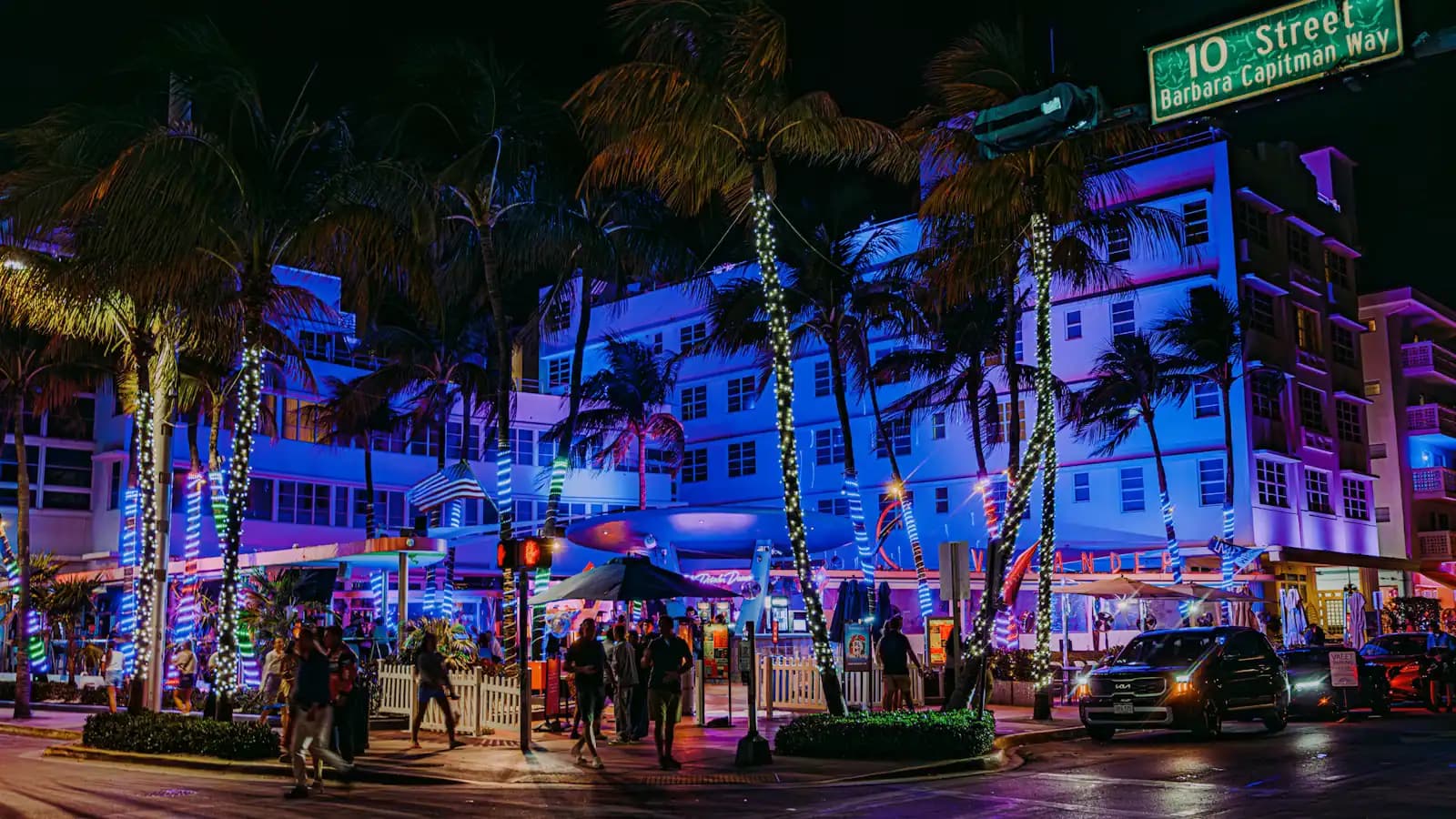
The most common mistake a visitor makes with a Miami night is arithmetic, not taste. They book a table for seven, finish at nine, walk into a room that is two-thirds empty, and conclude the place is overrated. It is not overrated. They are three hours early.
This city runs a later clock than almost anywhere else in the United States, and it runs three different clocks in three different districts. Here is what a night actually looks like, and what the last hour of it costs.
The night, hour by hour
| Hour | Wynwood | Brickell and downtown | South Beach |
|---|---|---|---|
| 19:00 | Galleries with shutters up, breweries filling, no queue anywhere | Rooftops at their best — the light on the bay is the point | Dinner. The strip is loud and the good rooms are one street back |
| 21:00 | Bars properly busy. This is Wynwood's peak for anyone who wants conversation | Cocktail bars busy, restaurants at second seating | Still early. Hotel bars and terraces |
| 23:00 | Starting to thin as people move on or go home | Bars full, some rooms turning into something louder | The night finally starts. Doors get selective |
| 01:00 | Quiet. Wynwood is an evening district, not a late one | Late bars and a handful of clubs | Peak. Everything is running |
| 03:00 | Closed | Late licences only | Still running in the entertainment district |
| 05:00 | — | — | Some venues still serving, depending on licence and current rules |
The single most useful line in that table is the first Wynwood row, because it is the district visitors most often get wrong. Wynwood is an early-evening neighbourhood that happens to be full of bars. It is at its best between seven and eleven, and by one in the morning the people who wanted a late night have gone elsewhere. If you want a conversation, drink in Wynwood. If you want three in the morning, do not start there.
Three districts, three different evenings
Wynwood. Warehouse bars, breweries, open courtyards, painted walls lit from below. It is the most casual of the three: trainers are fine, queues are short, and the whole point is that you can walk between eight places in fifteen minutes. The murals look genuinely different at night, and several of the best pieces are on roll-down shutters that are only visible once the businesses close — which is a specific, local pleasure you will not find written on a gallery wall.
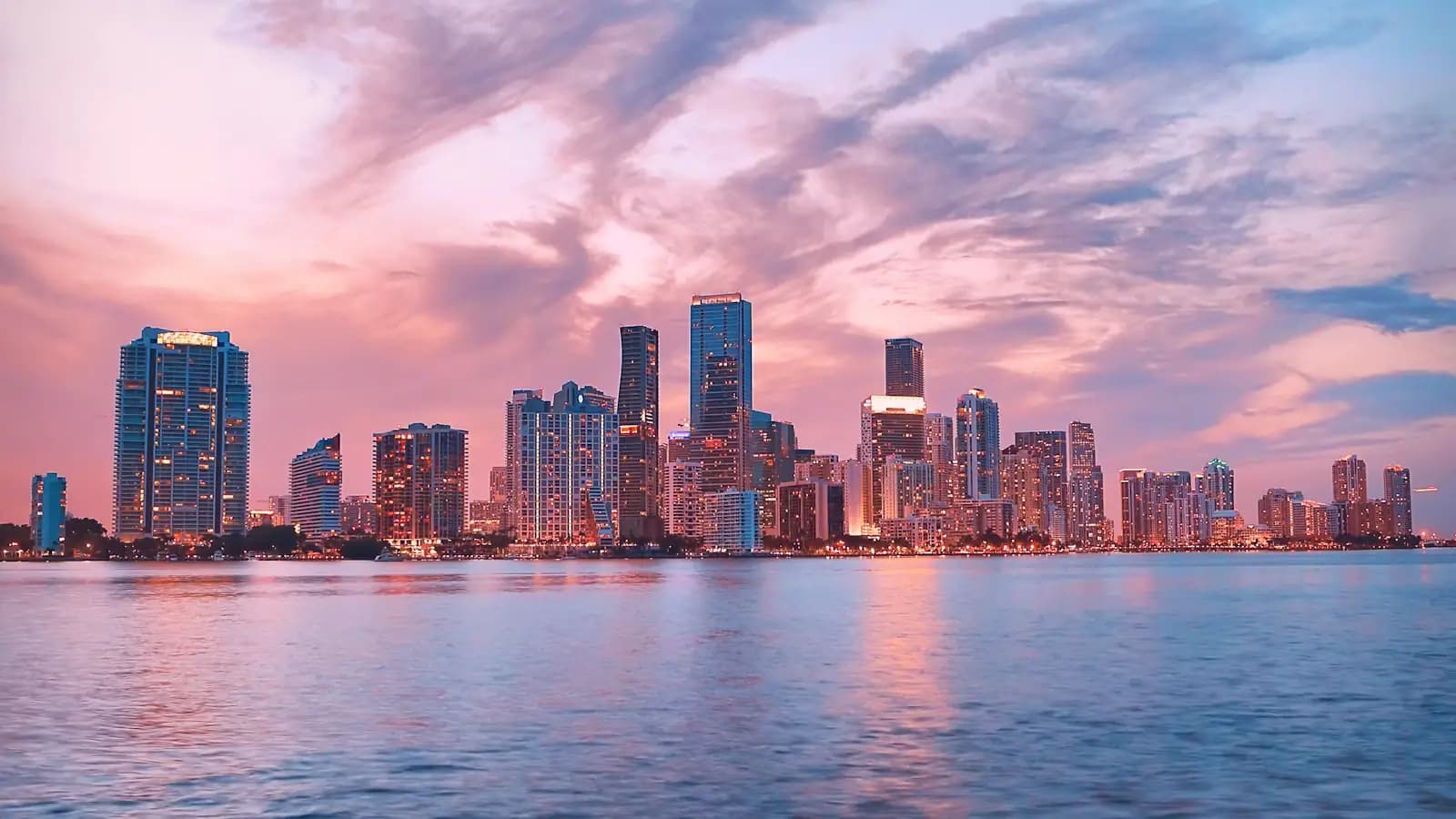
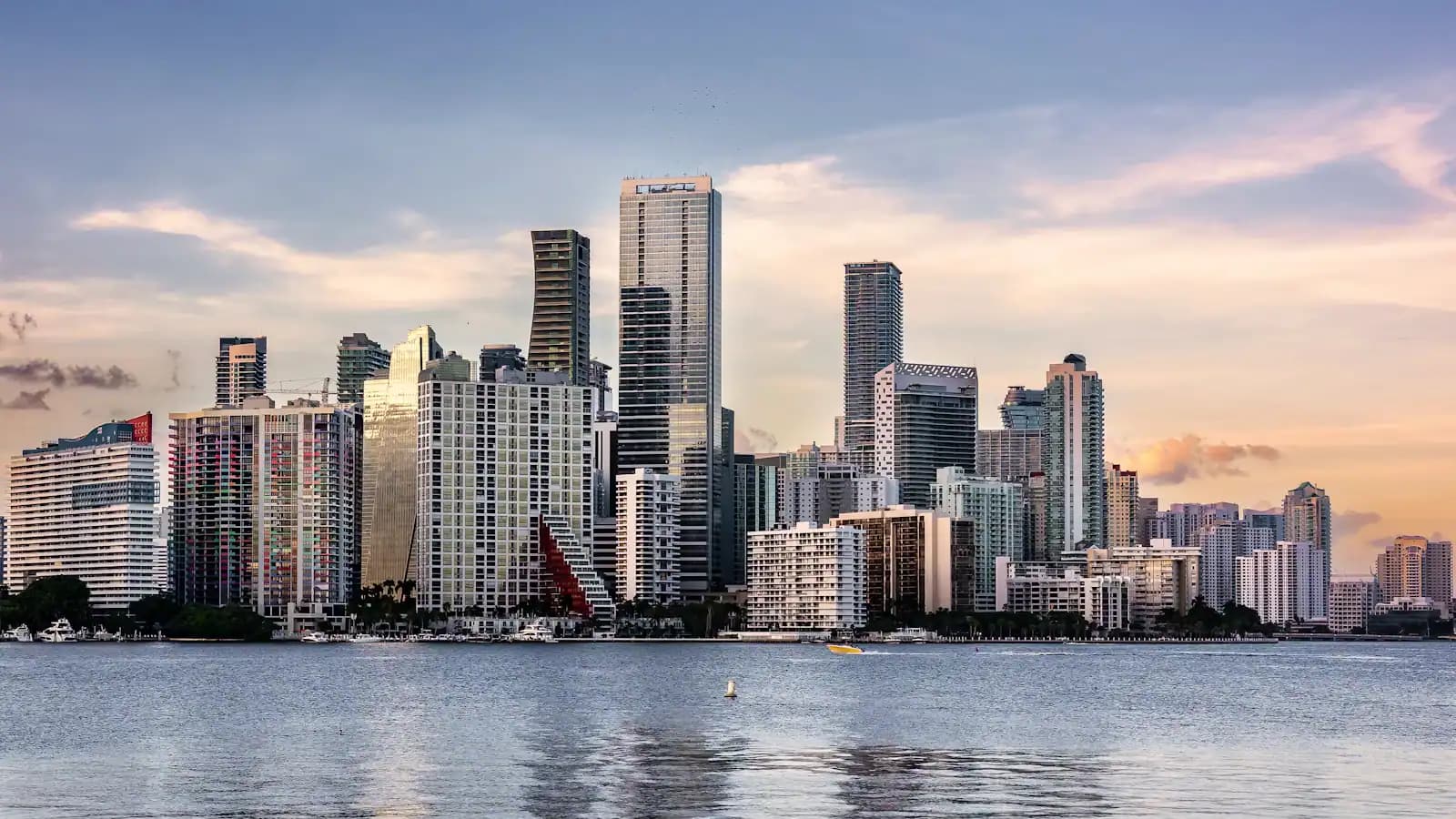
Brickell and downtown. The dressed-up, expensive, skyline-facing option. Rooftops here are the best in the city for one specific reason: the sun sets over the bay behind the mainland, so a west-facing terrace in Brickell puts the water and the light in front of you. Come at seven for that, stay for dinner, and you have had the best-value luxury evening available here.
South Beach. The one with the international reputation, the strictest doors and the highest prices. Two practical facts. Everything directly on the seafront strip is priced for people who are not coming back, and the rooms locals rate are a street or two inland. And the entertainment district genuinely runs until the small hours, later than nearly anywhere else in the country, which is what people come for.
Getting home is the part that goes wrong
This is the section most nightlife guides skip, and it is the one that costs money.
Rideshare surge after closing time is severe, and it is worst exactly when everyone leaves at once. A ride that cost $18 across the causeway at nine can cost three times that at three, and the wait can be twenty minutes on the pavement.
Nothing free is running. The Metromover's published service span ends mid-evening, and the Miami Beach trolleys finish around eleven. By the time your night ends, there is no free way home on either side of the bay.
The causeway at three in the morning is fast, and that is the trap. The crossing itself is ten minutes at that hour. The queue for a car outside a club is not.
The fix is geographic and boring: end your night on the side of the bay you are sleeping on. Choose the district by where your bed is, not the other way round. It is the same rule that governs the daytime here, and it matters more at three in the morning, when the alternative to a rideshare is nothing at all.
Doors, dress and what a night costs
Honest expectations, because the gap between districts is large.
Wynwood rarely has a door policy worth worrying about, cover charges are modest or absent, and the dress code is whatever you were wearing at dinner.
Brickell expects you to have made an effort. Terraces and cocktail bars will turn away beach clothes, and drinks are priced accordingly.
South Beach runs the strictest doors in the city, especially at weekends and especially after midnight. Table minimums at the larger clubs are a serious commitment and are not always clearly advertised in advance — establish the number before you sit down, not after. Groups of men without a reservation should expect the longest waits.
Everywhere, the legal drinking age is 21 and photo identification is checked properly. A foreign driving licence is not always accepted; carry a passport.
Last call is later here than almost anywhere in the country, but it is genuinely complicated. It varies by municipality, by the individual venue's licence, and — in parts of South Beach — by ongoing legal argument between the city and its own operators, which has moved the answer back and forth in recent years. Do not plan a night around a cut-off time you read online. Ask the venue.
A first night that is not a club
Most visitors do not actually want a nightclub. They want a good evening in a city that is famous for its nights, which is a different request and considerably cheaper to satisfy.
The best version costs very little. Be on a west-facing terrace or a bayfront walk at sunset, which happens over the bay behind the skyline rather than over the ocean. Eat somewhere unhurried at nine, when the city is only just starting. Walk afterwards, because the heat has finally gone and the streets are at their most pleasant between ten and midnight.
Live music beats a club for a first night. Little Havana has counters and small rooms where the music is the reason people are there rather than the backdrop, and the crowd is local and mixed in age. It runs earlier than the club districts, which means you can do it and still sleep.
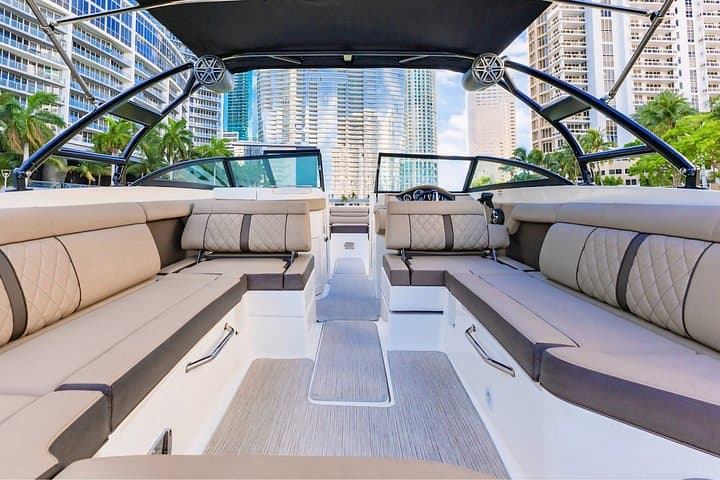
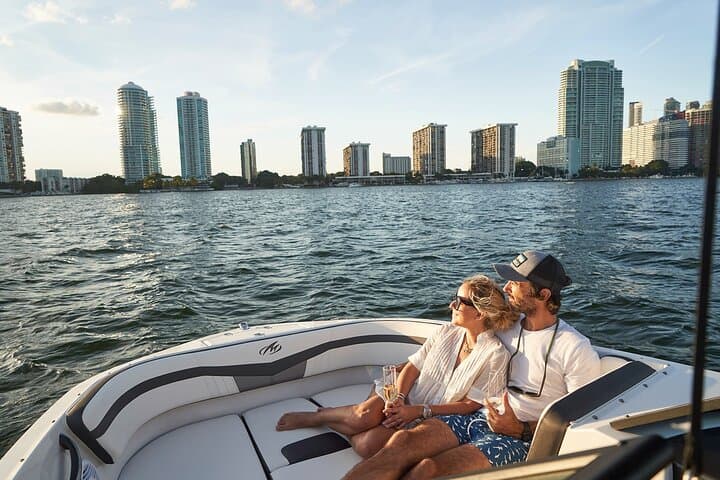
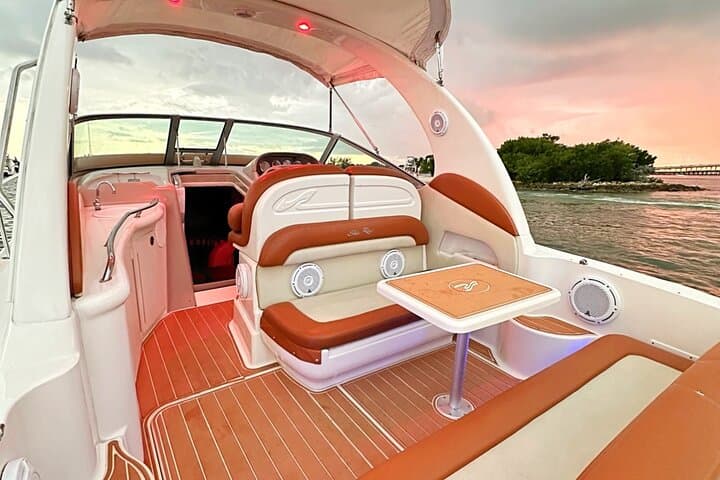
A sunset boat is the one booking worth making. Ninety minutes on the water at the end of the day, typically well under this market's median, and it solves the sunset problem — the view of the skyline lit from behind is the one you cannot get standing on Ocean Drive.
If you are not drinking, the evening here is unusually generous: the water, the walking, the food and the music all work without it, and the heat that makes the afternoons difficult is exactly what makes ten at night pleasant.
The nights the city is not itself
Four periods change what a night out here means, and two of them change it a great deal.
Spring break, most of March. The island's approach to crowd management has shifted year to year, and has included lane reductions on the eastbound causeways late at night, additional enforcement, and changes to parking availability in the entertainment district. Whatever the current year's arrangement, expect the island to be busier, louder and slower to leave than usual.
The electronic music festival weekend in late March. Downtown road closures run from the Thursday evening to the Monday morning around the bayfront park, and the whole city's nightlife tilts towards it. Wonderful if that is why you came, difficult if it is not.
Art fair week in early December. Private events fill the good rooms, hotel rates jump on both sides of the bay, and doors are harder than usual.
Any Sunday. Quieter than you expect in the club districts, and better than you expect everywhere else. Sunday evening in Miami is genuinely pleasant and genuinely easy to move around.
Last updated
Opening hours, ordinances and prices move with the season. We re-check this guide rather than rewrite it, and the date above is the last time someone did. How we research and correct.