Skip to content
Search
Menu

We earn a commission if you book through this link. You pay the same price.

Everything

On the Water, and Why It All Happens Before Noon

Last updated

Water activities in Miami: why boats go before noon, the bay against the ocean against the reef, which marina to turn up at, and Florida's jet ski rules.

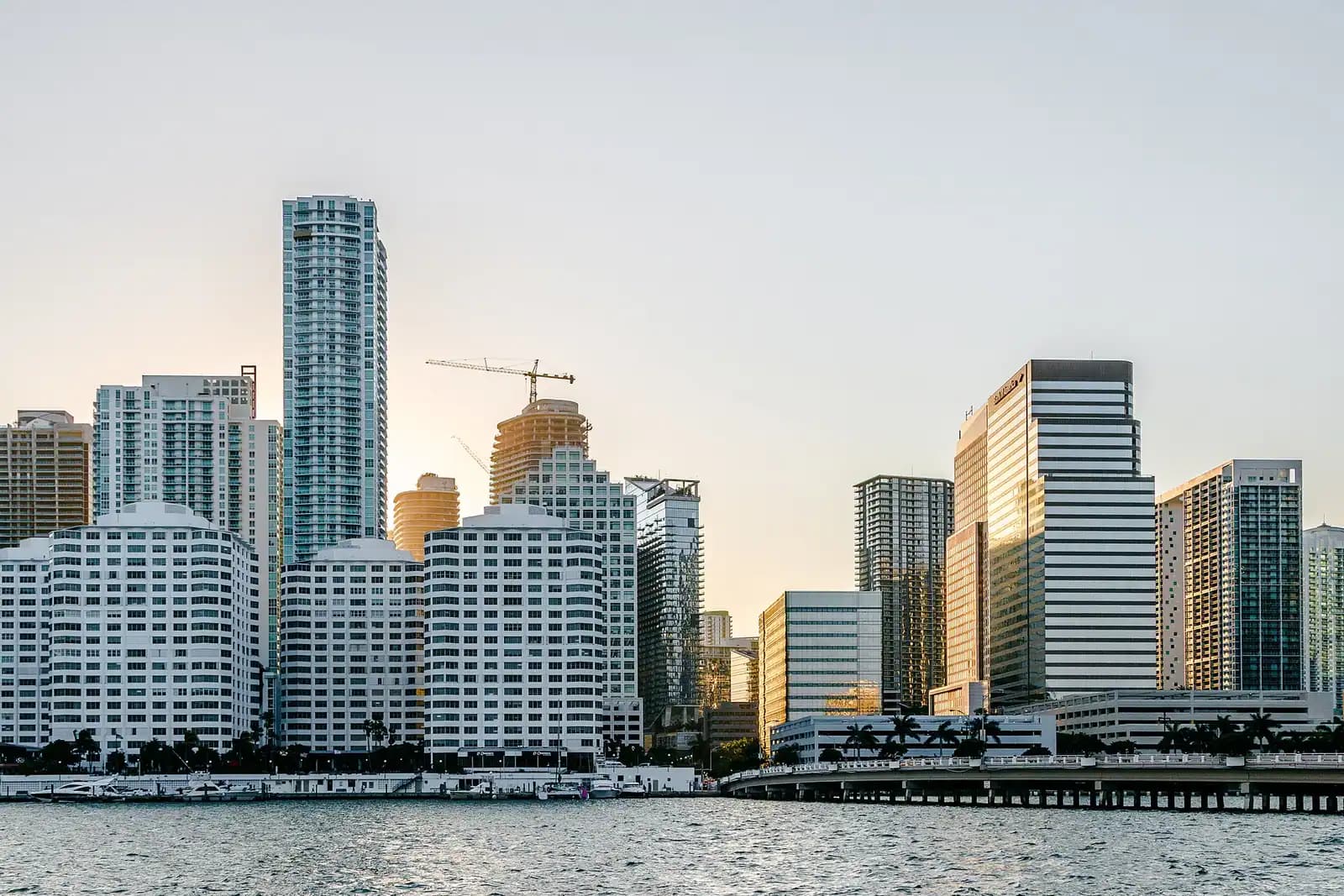
Two personal watercraft cutting across flat bay water with a skyline of high-rise towers in the distanceUnsplash

Water is the reason this city is shaped the way it is, and it is also the part of a Miami trip most likely to be scheduled wrongly. The mistake is nearly always the same: the water goes in the afternoon, after a slow morning, because that is when a holiday day feels ready for it. In Miami that is precisely backwards.

Three things push everything afloat into the first half of the day. Lightning, which is the real one: Florida records more strikes than any other state, operators pull vessels for electrical activity rather than for rain, and in the wet season from roughly May to October the storms build through the middle of the day and open between about two and six. Wind and chop, which follow the same daily rhythm — the bay is at its flattest and clearest early, and by mid-afternoon the sea breeze has put a surface on it. And light, because shallow water only looks the way people imagine it when the sun is high enough to get into it but not yet bouncing off the top, which in practice means mid-morning.

The second thing to get straight is which body of water you are actually asking about, because there are three and they behave nothing alike. Biscayne Bay is the shallow, warm, protected sheet between the mainland and the barrier islands: sandbars, mangrove edges, flats, boat traffic and the best view of the skyline anywhere. The Atlantic, on the ocean side of Miami Beach, is open water with surf, no reef within swimming distance and the city's best swimming beaches. The reef is neither of those. The living reef tract lies offshore and to the south, and the serious snorkelling out of Miami means a boat — off Key Biscayne, or properly in Biscayne National Park, which is roughly 95 per cent water and reached from Convoy Point near Homestead, about an hour south of downtown. Nobody swims out to a reef from Miami Beach sand, because there is not one there.

Third, and specific to this city: check which side of the bay your boat leaves from before you book it. Departures run from the downtown waterfront, from marinas on Miami Beach, from Haulover, from Key Biscayne and from Homestead, and turning up on the wrong side of Biscayne Bay for an 8:30am departure is an hour you cannot get back.

The last section covers Florida's personal watercraft law, which is stricter than visitors assume and turns people away at the counter every day.

Why the water belongs to the morning

When to go

The same trip, taken at three different hours, is three different products.

DepartureWhat you getRisk
8–10amFlat water, clear light, full schedules, no crowd on the sandbarsAlmost none; this is the reliable slot
11am–1pmStill good, warmer, busier, chop buildingLow, but the sky is already stacking in summer
2–5pmChop, glare, and the daily storm window in the wet seasonThis is the slot that gets cancelled
6pm–duskFlat again, the cell has usually passed, the skyline lights upLow, and often the best product of the day

Lightning is a cancellation, not a delay. When an operator pulls a boat there is no version of the trip that happens two hours later on the same ticket, and refund terms vary by operator rather than following one platform-wide policy. In the wet season, book morning departures and prioritise free cancellation over price.

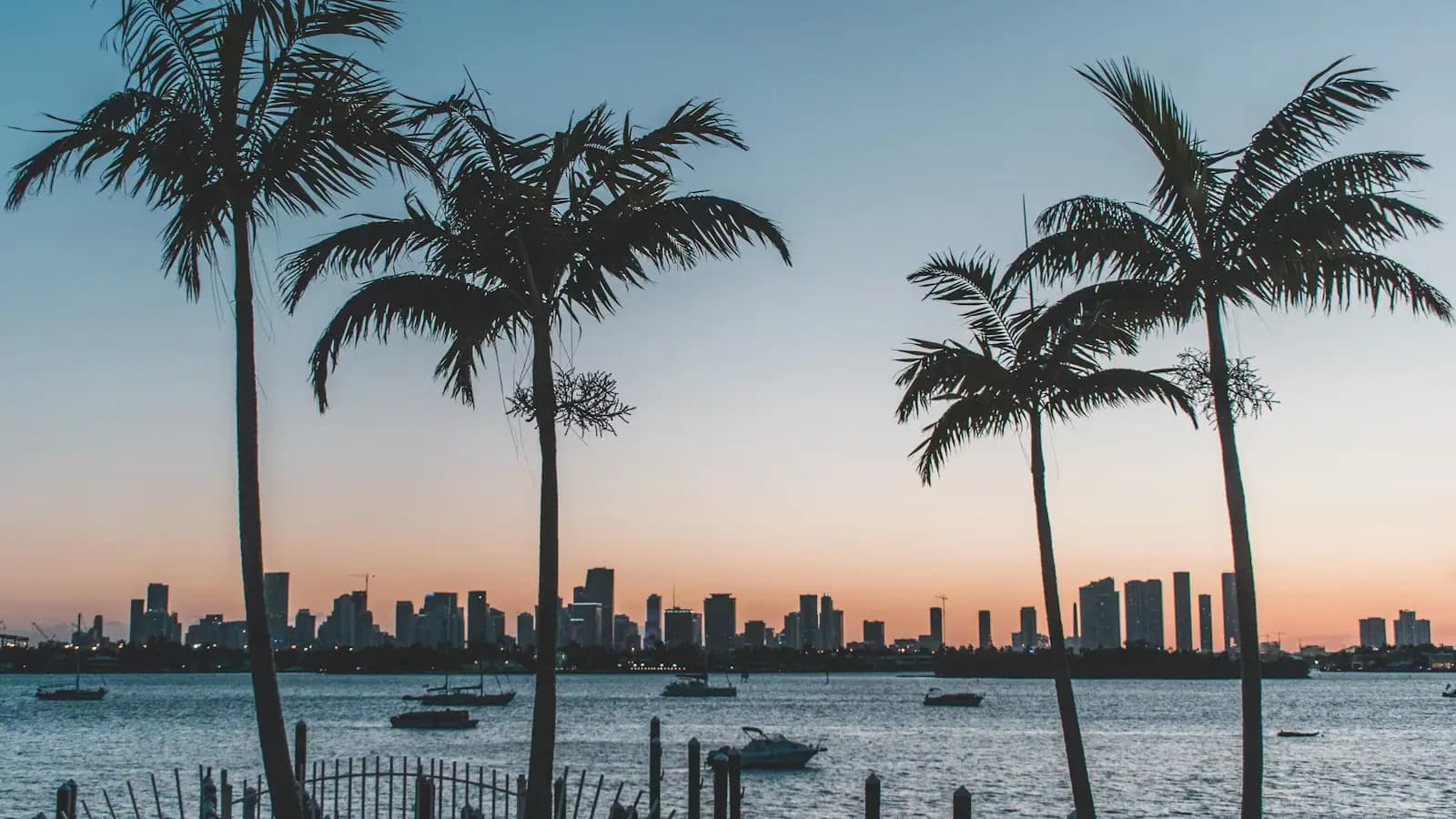
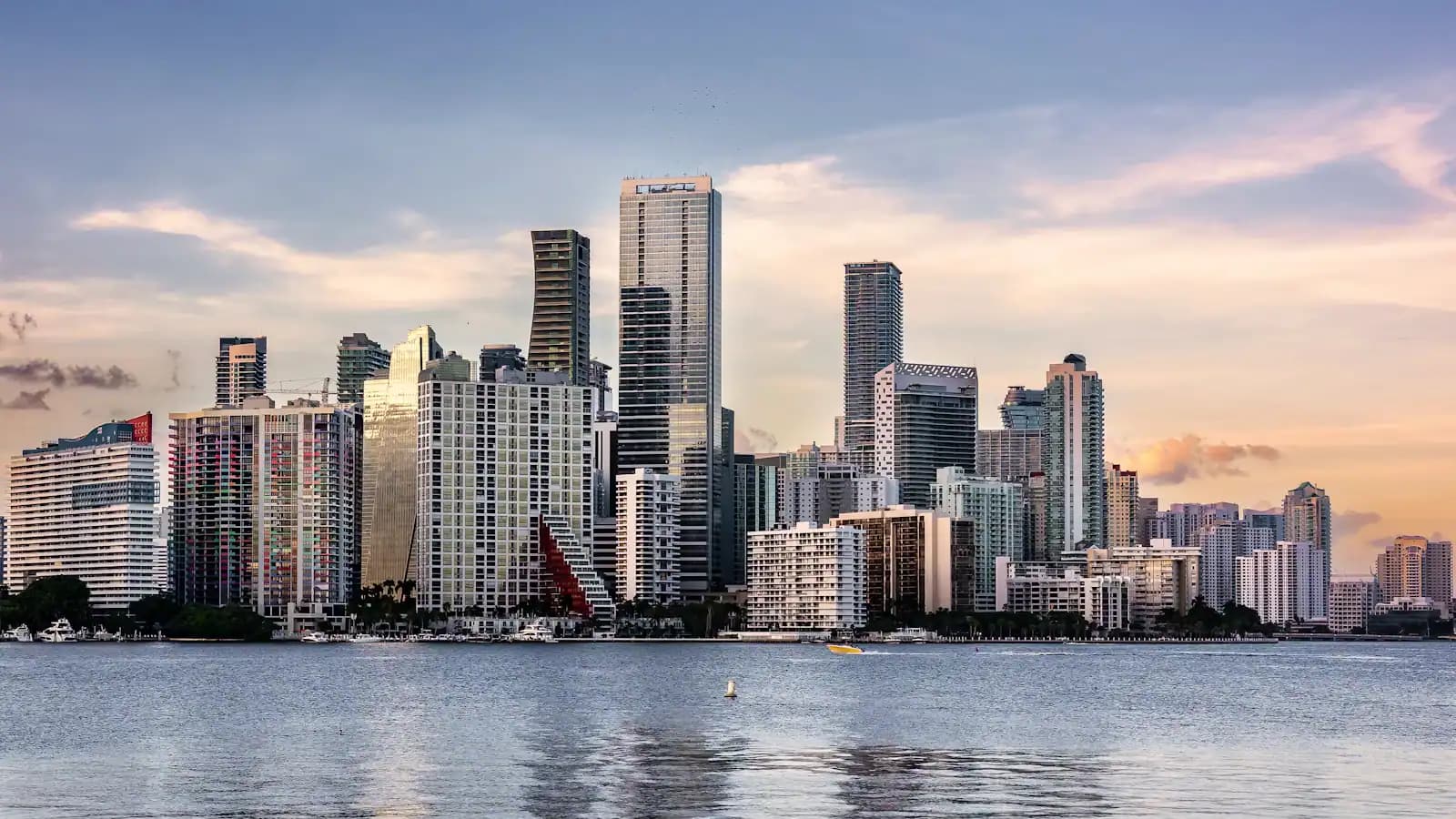
The evening slot is underrated. From about June to October the storm has usually moved through by six, leaving clear air behind it, and the lit skyline from the bay is the single best view of this city. A cancelled two o'clock rebooked to seven is frequently an upgrade.

Winter has the opposite problem. No lightning, but cold fronts bring north winds that put a real sea on the bay and make the inlets unpleasant. Check the wind between December and March the way you check the radar in July.

Choosing between the products

What it costs

Bands for Viator market 662, where the median across roughly 1,148 products sits near $89. Verify before you rely on any figure.

ProductUsual lengthRough bandBest hourSuits
Shared bay cruise90 minutesWell below the medianMorning or sunsetFirst visit, anyone orienting themselves
Sunset or night cruise90 min to 2 hrsAround or below the medianDeparts before sunsetCouples, anyone whose afternoon was cancelled
Kayak or paddleboard1 to 2 hrsThe cheapest thing on the waterEarly morning, flat waterBeginners, families, no paperwork
Jet ski rental30 min to 2 hrsMid-range, plus depositMorningConfident adults who have read the section above
Snorkel tripHalf dayAround the median or aboveMorningPeople who actually want to see a reef
Fishing charterHalf or full dayWell above the medianVery earlyGroups splitting a boat
Private charterHalf day upwardThe top of the marketMorningGroups who want the boat to themselves
Party boat2 to 4 hrsVaries widelyAfternoon and eveningA different trip entirely; read the listing carefully

Two things that are not water activities but keep appearing next to them. Airboat trips are freshwater, 30 to 45 minutes west of the city on private land and in Miccosukee areas — not inside Everglades National Park, which does not permit them. And helicopter tours sit above the median by a wide margin and are a sightseeing product rather than a water one.

Crew gratuity is customary on charters and small-boat trips here and is usually not included in the ticket price. Carry cash for it.

The sandbar, and what boating here actually looks like

To understand Miami's relationship with its water, look at a sandbar on a Saturday.

Biscayne Bay is shallow enough that at certain states of the tide large areas of it are waist-deep, and boats raft up on them by the dozen — families, speakers, dogs, floating tables, people standing in the water having a conversation between hulls. It is not a tourist activity and nobody sells tickets to it. It is what a weekend looks like here, and several bay tours will take you past it.

Two practical consequences for a visitor. First, the bay is busy at weekends in a way that changes the character of a trip: a Tuesday morning cruise is calm water and quiet, a Saturday afternoon one is a traffic jam with music. If the point of your trip is the city and the skyline, go on a weekday. Second, the sandbars are precisely where the seagrass and the shallow flats are, which is why idle-speed zones and propeller scarring matter so much on this particular body of water.

The inlets deserve their own sentence. Government Cut at the southern end of Miami Beach and Haulover Inlet to the north are where the bay meets the Atlantic, and when the wind opposes an outgoing tide they get genuinely rough — Haulover has a reputation among local boaters for exactly this. If your trip crosses an inlet and you are prone to seasickness, take something before you board rather than after.

Manatees are ordinary here, particularly in winter, when they move into warmer sheltered water. Do not approach, chase or feed them. They are protected, the rules are enforced, and the encounter is better when it is on their terms anyway.

Book it

What you can book

We could not find tours matching this right now

Nothing came back for Biscayne Bay boat tour. Operators add and retire experiences constantly, so this list changes week to week. Try a broader category, or come back in a day or two.

Bay, ocean and reef are three different places

How they compare

Choosing the wrong one is the most common disappointment in this category.

Biscayne BayThe Atlantic off Miami BeachThe reef
What it isShallow, warm, protected water between mainland and islandsOpen ocean with surf and long sandA living reef tract offshore and to the south
Good forCruises, jet skis, kayaks, paddleboards, sandbars, the skylineSwimming, bodysurfing, sunriseSnorkelling and diving, by boat only
Water clarityVariable; greener and shallowerBetter, but no structure to look atThe clear water people picture
How you reach itFrom downtown, Miami Beach or Key Biscayne marinasWalk onto the sandA boat, from Key Biscayne or from Homestead
The honest caveatBusy at weekends; idle-speed and manatee zones throughoutNo reef within swimming distance, whatever the photos suggestBiscayne National Park is about 95 per cent water and an hour south before you board

What that means in practice. If you want to look at Miami, take the bay. If you want to swim, take the ocean and a staffed lifeguard tower. If you want to look at fish, accept that this is a half-day boat trip heading south, not an hour with a mask off the sand.

Stiltsville sits in the middle of the first column — a handful of wooden houses standing on pilings on the flats near Key Biscayne, inside Biscayne National Park. You cannot walk to them and you cannot stay in them, but most bay tours that head south will show you them, and they explain more about this city's relationship with the water than any museum does.

Check the marina before you check the price

Before you book

This is the single most common booking error on this page, and it costs an hour rather than a few dollars.

Miami's water products leave from at least five separate places, and they are not near each other:

  • The downtown waterfront, next to Bayside on the mainland, with a Metromover station a short walk away. Most shared bay cruises leave here. Easiest to reach without a car.
  • Miami Beach marinas, on the bay side of the island. Jet skis, charters and some cruises. Reachable by free trolley from most of South Beach.
  • Haulover Park, north of Bal Harbour, where the inlet cuts through to the ocean. Fishing and offshore departures. A genuine drive from South Beach.
  • Key Biscayne and Virginia Key, across a toll causeway from Brickell. Sailing, kiteboarding and some snorkel departures.
  • Convoy Point, near Homestead, for Biscayne National Park. About an hour south of downtown before you board anything.

The rule: find the departure point on the listing, work out which side of Biscayne Bay it is on, and compare it with where you are sleeping. A 9am departure from a Miami Beach marina is a ten-minute walk if you are on the island and a forty-minute problem if you are in Coconut Grove.

Two further checks. Pickup is not the same as meeting point: some operators collect from hotels and some expect you at the dock, and the difference is an hour of your morning. And parking at marinas is charged and often limited, which is another argument for the downtown departures if you do not have a car.

Renting a jet ski in Florida: the rules, plainly

Before you book

More people are turned away at a Miami rental counter for this than for anything else, and none of it is discretionary.

  • You must be 18 to sign the rental contract. That is the contract, not the ride. A group of nineteen-year-olds is fine; a group where the only adult is seventeen is not.
  • The minimum age to operate a personal watercraft in Florida is 14, and handing the controls to anyone younger is an offence for the owner as well as the rider.
  • The card requirement turns on your year of birth. From 1 January 1988 onwards, you must hold a Boating Safety Education Identification Card, issued by the state wildlife commission, and carry photo ID while you are at the controls. The card does not expire.
  • Most rental operators run a short on-site course that issues a temporary certificate covering the rental, which is how the majority of visitors satisfy this. Confirm with your specific operator before you book rather than assuming, because it costs time on the morning if they do not.
  • A deposit and a damage waiver are normal, and the deposit is usually a hold on a card rather than a payment.

Then there is the bay itself, which is not an open racetrack. Idle-speed and no-wake zones are marked throughout, manatee protection zones carry seasonal speed restrictions, and Biscayne Bay's seagrass beds are shallow enough that propeller scarring is a live conservation problem. Stay in the marked channels, watch your depth, and treat the markers as instructions rather than suggestions. Enforcement on this water is real.

If any of that sounds like more administration than you wanted on holiday, a kayak or a paddleboard requires none of it.

What to have with you on the water

What to bring

Short, and the order matters.

  • Reef-safe sunscreen, applied before you board and again on the boat. Reflection off the water roughly doubles the exposure, and the breeze hides it completely. This is the single most common thing people get wrong on a Miami morning.
  • A hat that will survive wind, meaning one with a cord or one you are willing to lose.
  • A dry bag or a zip bag for your phone. Spray on the bay is constant even on a calm day.
  • Sunglasses with polarised lenses, which turn a green bay into a legible one and let you actually see the flats and the seagrass.
  • Water. More than the boat provides. Shade is limited on most small vessels and dehydration on the water is quick and quiet.
  • Cash for the crew. Gratuity is customary on charters and small-boat trips here and is usually not included in the fare.
  • Motion sickness tablets taken before boarding, not after, if you are crossing an inlet or heading offshore. Once you feel it, it is too late.
  • Shoes you can get wet, or none at all. Many boats ask you to leave shoes at the gangway.
  • No glass. Most operators prohibit it outright, and so do the beaches on Miami Beach.
  • A layer between December and March. A north wind on open water is considerably colder than the same air on a street.

On the ground

Where to go

Every place below has its own page — hours, parking, what it costs and what to expect when you get there.

  • A wide sandy beach with rows of parasols and a line of low buildings set well back from the water
    Free
    Beach

    South Beach

    Budget three hours minimum, because the sand is only half of it — the causeway takes the rest of your afternoon.

    2–6 hoursThe beach itself is free. Parking is not, and loungers and umbrellas from the hotel concessions are rented by the day.

  • An empty stretch of pale sand meeting calm shallow water under a clear sky
    Beach

    Key Biscayne

    Fifteen minutes from Brickell over a tolled causeway — closer than the beach everyone books, and a completely different kind of day.

    4–6 hoursThe causeway toll is a small electronic charge per crossing, and each beach park charges a separate per-vehicle entry fee at the gate. The island's roads and village are free to drive through.

  • A residential street shaded by a continuous canopy of mature trees
    Free
    Neighbourhood

    Coconut Grove

    The one Miami neighbourhood with a real tree canopy, which makes it the only outdoor block that works at two in the afternoon.

    2–4 hoursFree to walk, and the marina walk, parks and canopy streets cost nothing. Food, drink and parking are the only expenses.

  • Flat wetland of tall sawgrass stretching to the horizon under a wide sky
    Wildlife

    Everglades Airboat Trips

    Four to five hours door to door, not the two the listing implies — and not inside the national park either.

    4–5.5 hoursTicketed per person by the operator, with hotel pickup packages priced above drive-yourself entry. Prices vary widely by operator, boat size and whether transfer is included.

  • Glass residential towers rising above a tree-lined city street at dusk
    Free
    Neighbourhood

    Brickell

    The only part of Miami where the travel time between two things is four minutes on foot.

    1.5–4 hoursFree to walk, and the Metromover through it costs nothing. Food, drink and parking are the only expenses.

  • Pleasure boats moored in a downtown marina with office towers rising behind them
    Free
    Shopping

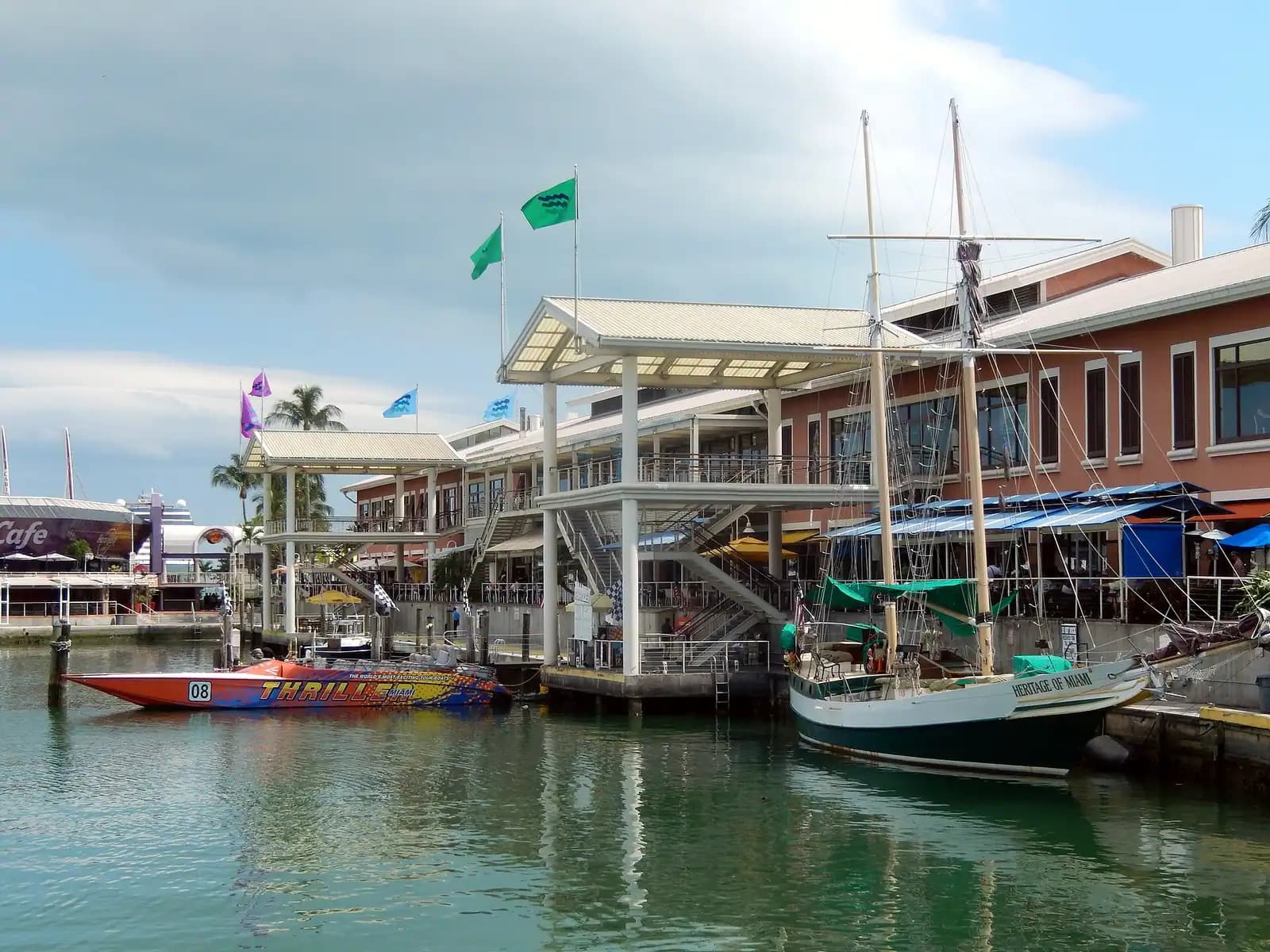
    Bayside Marketplace

    Where your boat leaves from. Arrive thirty minutes early, and know exactly what to do with those thirty minutes.

    1–2.5 hoursFree to enter and walk. Bay cruises, speedboat rides and the observation wheel are each ticketed separately by their operators.

Straight answers

Questions people actually ask

What water activities are there in Miami?

Shared and private boat cruises on Biscayne Bay, sunset and night cruises, jet ski rentals, kayaking and paddleboarding along the mangrove edges, sailing out of Key Biscayne, fishing charters from Haulover and the marinas, and snorkelling trips that head offshore or south. Swimming happens on the Atlantic side of Miami Beach. Airboat trips are freshwater and sit 30 to 45 minutes west of the city.

What time of day is best for boat tours in Miami?

Morning, and it is not close. The bay is flattest and clearest before about eleven, schedules are full, and the daily wet-season storm window between two and six has not arrived. Operators cancel vessels for lightning rather than rain, so afternoon departures in summer are the ones that fall through. Evening departures are the other good slot, because the cell has usually passed by six.

Can you snorkel in Miami?

Not from the beach in any meaningful way. There is no reef within swimming distance of Miami Beach sand, whatever the photographs suggest. Real snorkelling here is a boat trip: offshore of Key Biscayne, or properly in Biscayne National Park, which is roughly 95 per cent water and reached from Convoy Point near Homestead, about an hour south of downtown. Treat it as a half day, not an hour.

Do you need a licence to rent a jet ski in Miami?

Three numbers decide it. Sign the rental contract: 18. Take the controls at all: 14. And if your year of birth is 1988 or later, you also need a Boating Safety Education Identification Card, with photo ID carried while you ride. Most operators here run a short course on site that issues a temporary certificate covering the hire — check that yours does when you book, not on the morning you turn up.

How much do Miami boat tours cost?

A shared 90-minute Biscayne Bay cruise sits well below this market's median of about $89 a head. Kayak and paddleboard hours are cheaper still. Snorkel trips and fishing charters sit around or above the median, and private charters are at the top of it. Crew gratuity is customary on small-boat trips and usually not in the ticket price, so carry cash. Verify current pricing before you book.

Which marina do Miami boat tours leave from?

At least five different places, and they are not near each other. Most shared bay cruises leave from the downtown waterfront beside Bayside, a short walk from the free Metromover. Jet skis and charters commonly leave from Miami Beach marinas on the bay side of the island, fishing from Haulover, sailing from Key Biscayne, and the Biscayne National Park boats from Convoy Point near Homestead. Check the listing before you book.

Is Biscayne Bay safe to swim in?

People swim on the sandbars, but the bay is a working waterway with heavy boat traffic, and it is not where you should take a casual dip. Swim on the Atlantic side of Miami Beach, in front of a staffed lifeguard tower — hours are published as 9am to 7pm — and read the flag on the tower. The bay is for being on rather than in, and it carries idle-speed and manatee protection zones throughout.

Do Miami water tours run in the rain?

They run in rain and stop for lightning, which is the distinction that decides your day. Florida records more lightning than any other state and operators pull vessels when there is electrical activity, which is a cancellation rather than a delay. Refund and rebooking terms vary by operator rather than by platform. Book morning departures between May and October and prioritise free cancellation.