There are two entirely different bodies of water here and they suit different ages.
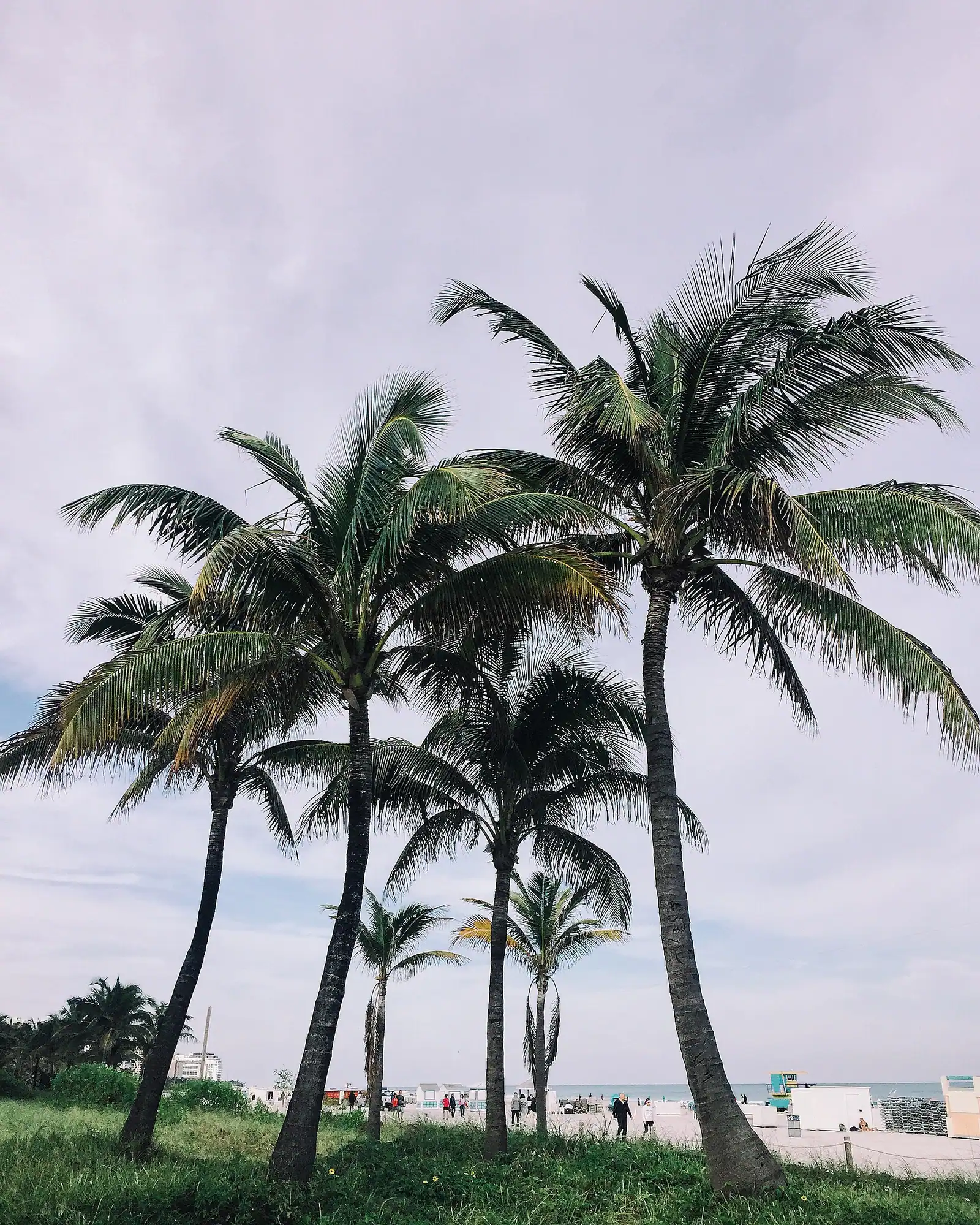
The bay side is calm. Biscayne Bay is shallow and sheltered, and the beaches and launches on it have very little surf. For anyone under about six, or any child who is not a confident swimmer, that is the better water: you can stand a long way out, and a wave does not arrive and knock a toddler over while you are looking at a phone.
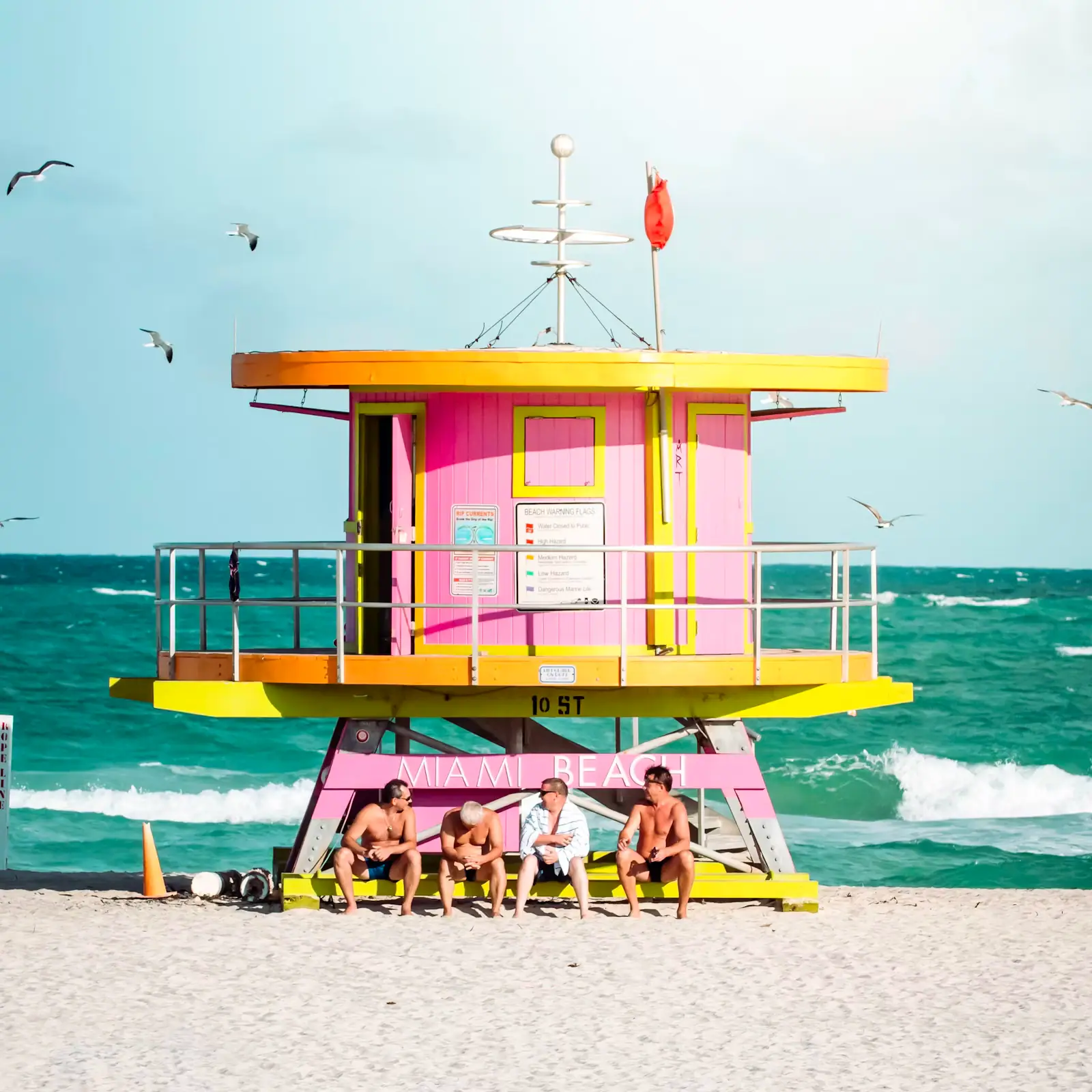
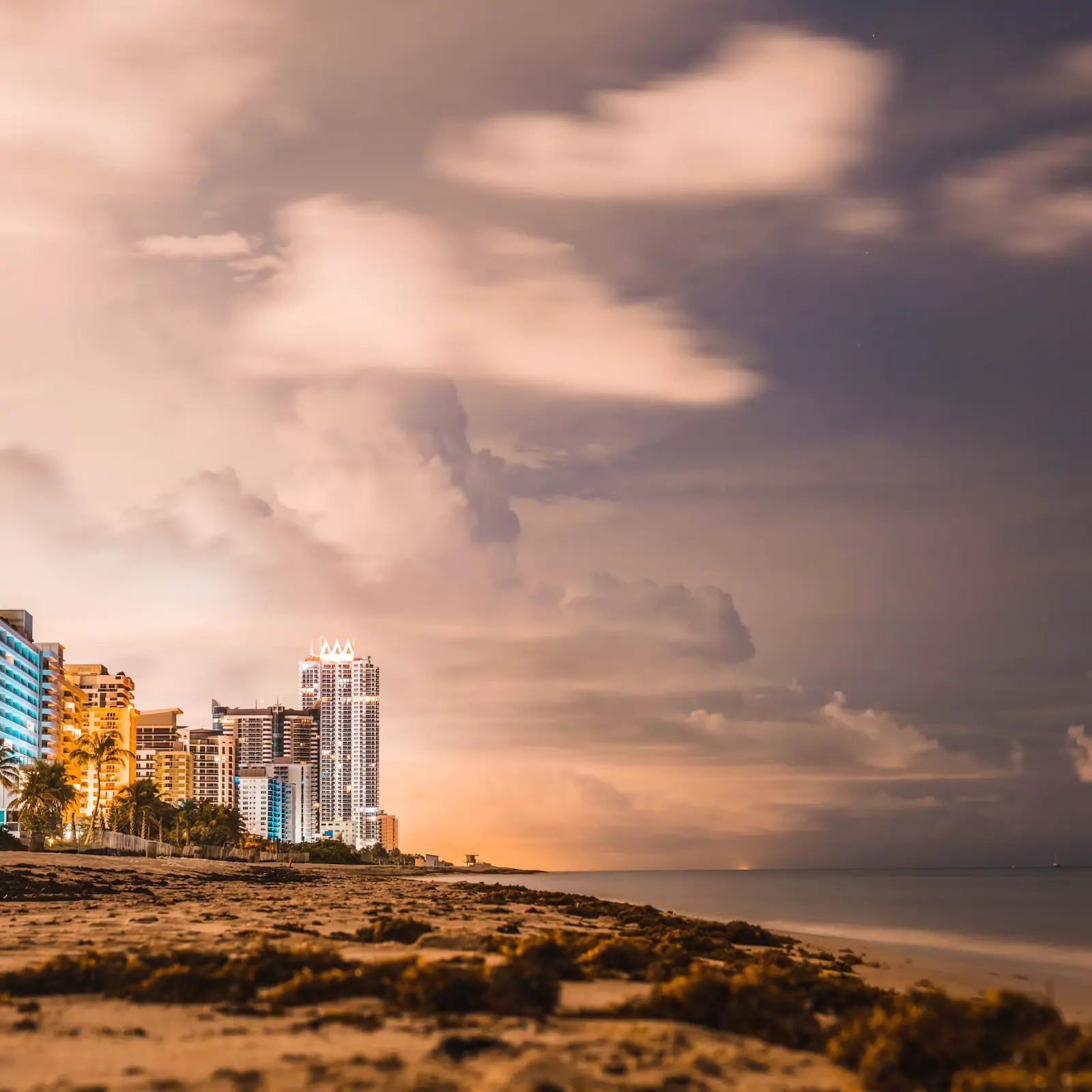
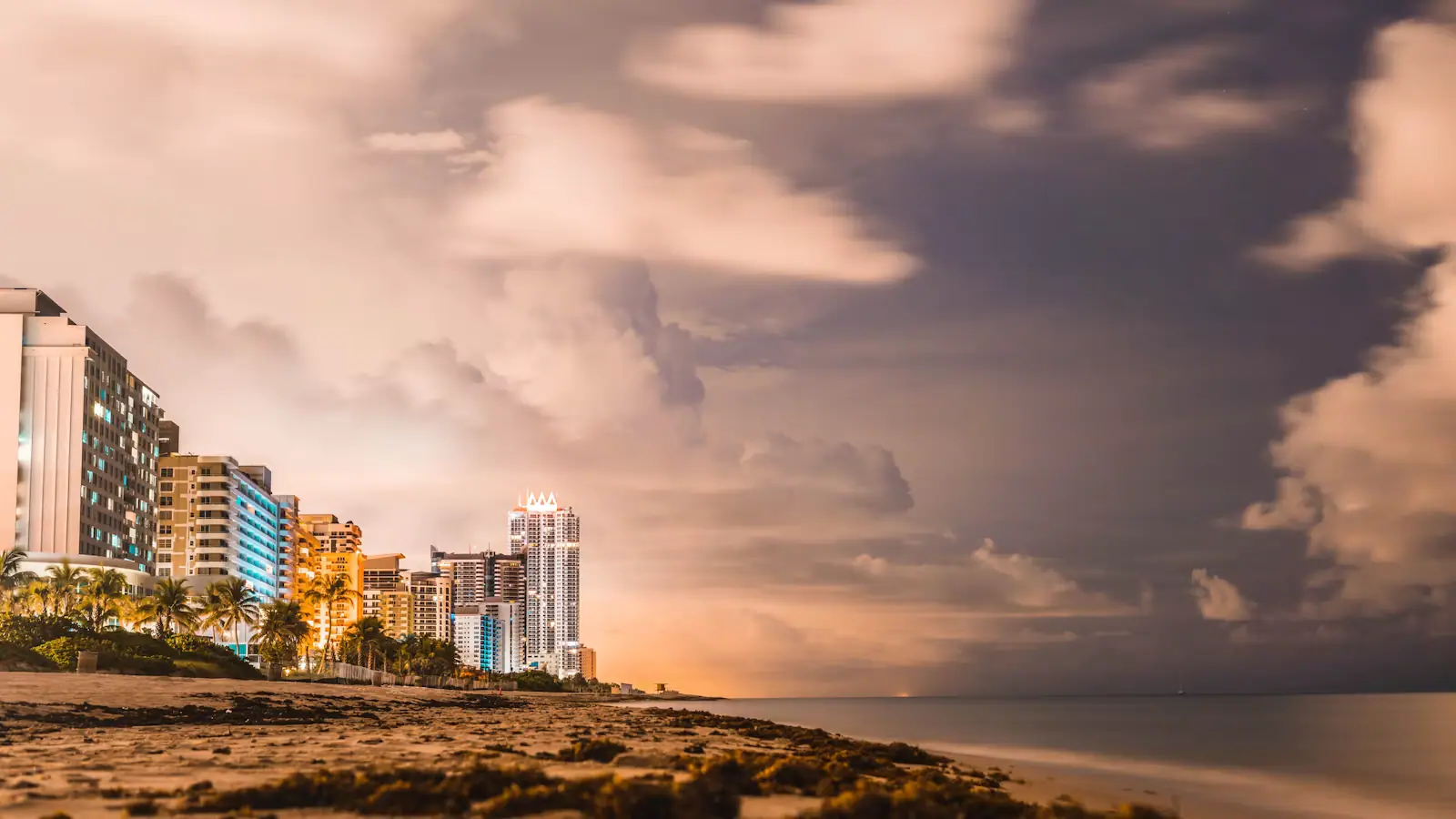
The ocean side has real waves. The Atlantic beaches along Miami Beach and the island parks get small to moderate surf most of the year, which is fun from about seven upwards and miserable below it. In late spring and summer, mats of brown sargassum weed arrive on the sand and in the shallows. It is harmless, it smells, and it is nobody's fault.
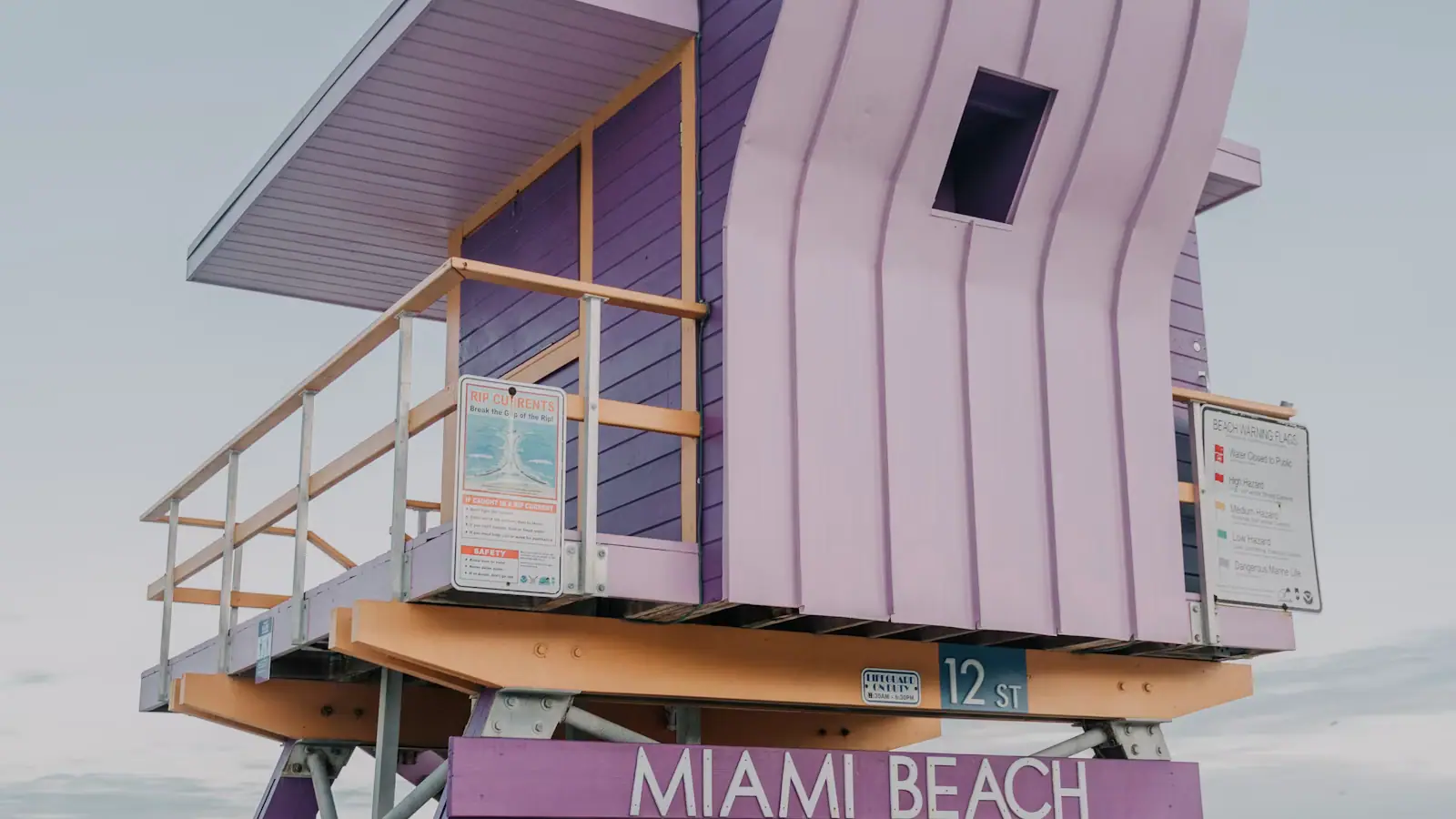
Swim where there is a lifeguard tower, and read the flag on it. Green, yellow and red mean what you expect. Purple does not mean rough water — it means dangerous marine life, usually jellyfish or man-of-war, and it is the flag visitors ignore because it does not look like a warning. Double red means the water is closed.
Rip currents form on onshore winds even when the surface looks flat. The advice that works with children is simple: swim in front of the tower, not fifty metres down the beach from it, and keep everyone in water they can stand up in.
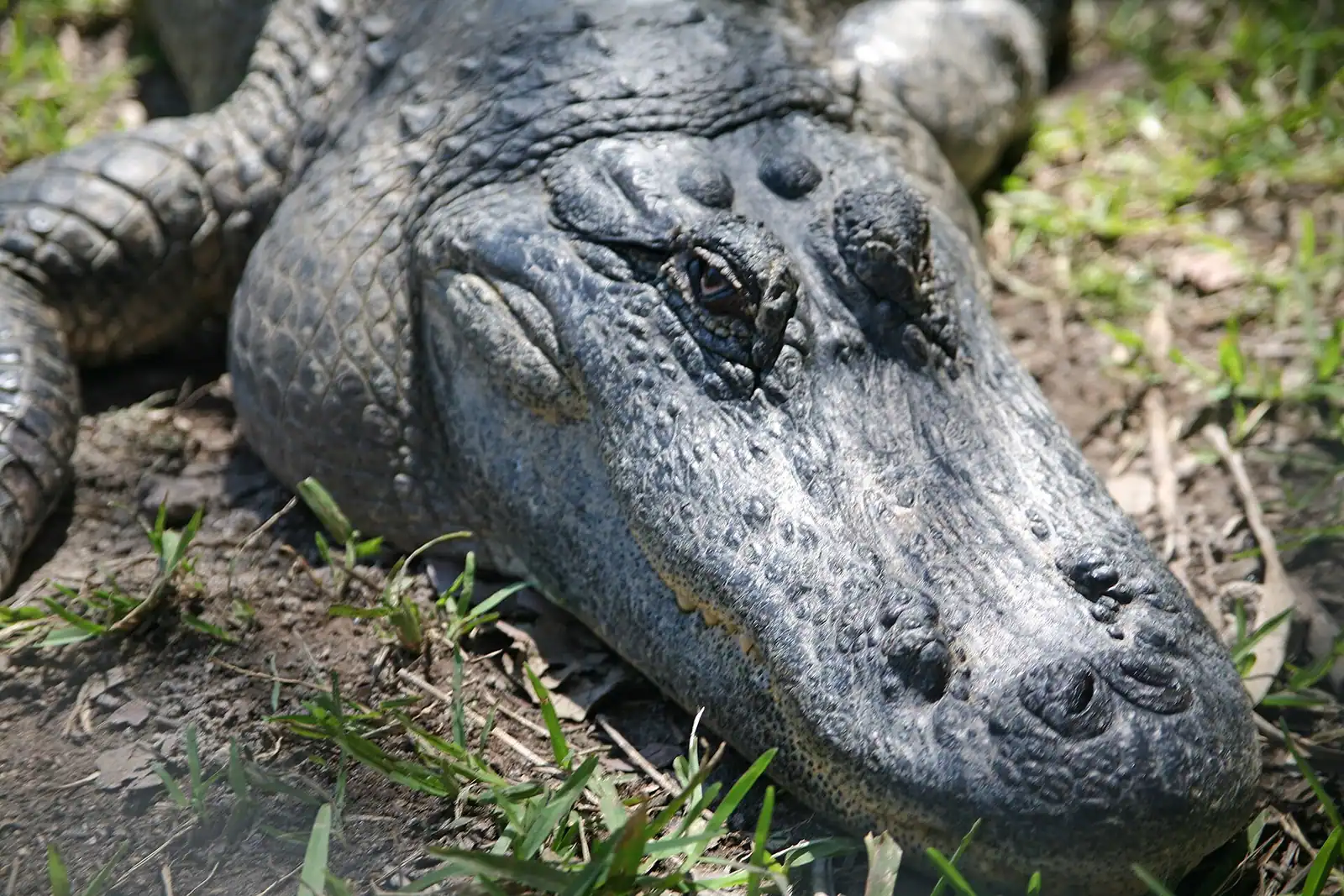
Fresh water is a different matter entirely. Alligators live in every canal, lake and golf pond in this county, not only out west in the sawgrass. Nobody needs to be frightened. Everybody needs to keep children and dogs ten feet back from any fresh water edge, including the drainage canal at the side of a car park, and nobody should ever feed one.