Most Miami planning pages assume you are sitting at home in November deciding what kind of trip to take. This one assumes it is already Tuesday, it is already twenty past eleven, and something has gone wrong with the morning. That is a different question, and the honest answer to it begins with subtraction rather than a list.
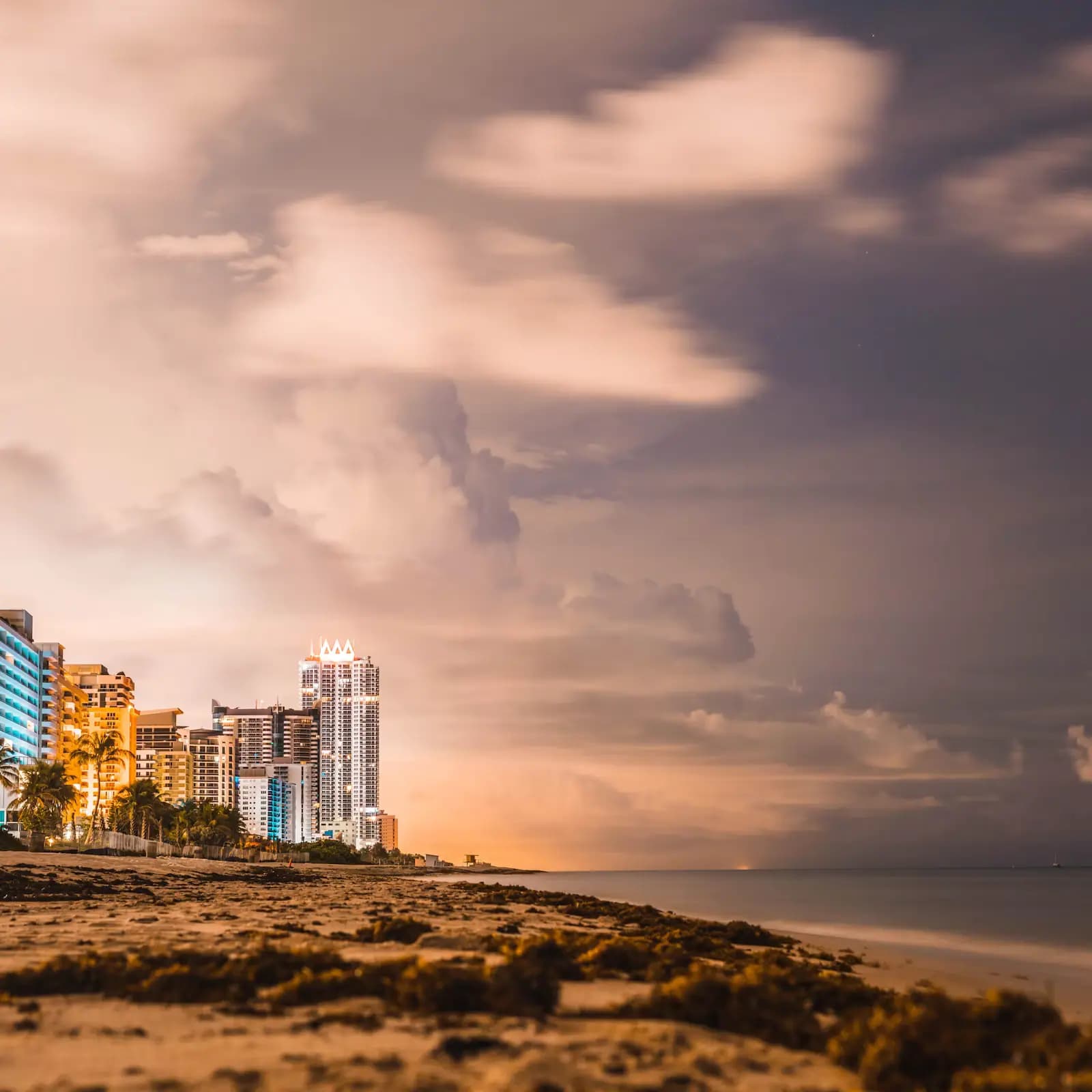
Here is the subtraction. Miami runs on three clocks that close at different times, and today you are working inside all three. The first is the booking clock: the operators that need a morning collect at a morning hour and cannot be joined later. Half-day Everglades trips with hotel pickup gather somewhere around 8:15 to 9:30 and run four to five hours door to door, so by mid-morning that whole category is tomorrow's problem, not today's. The second is the sky clock: from roughly May to October the cumulus builds through the middle of the day and opens somewhere between two and six for thirty to sixty minutes. Anything with a hull is cancelled by lightning rather than delayed by it, which is why the water belongs to the first half of today and not the second. The third is the light clock, and it moves further here than people expect — sunset runs from about half past five in late November to just past eight in early July, so "after work" means two completely different amounts of day depending on the month you are standing in.
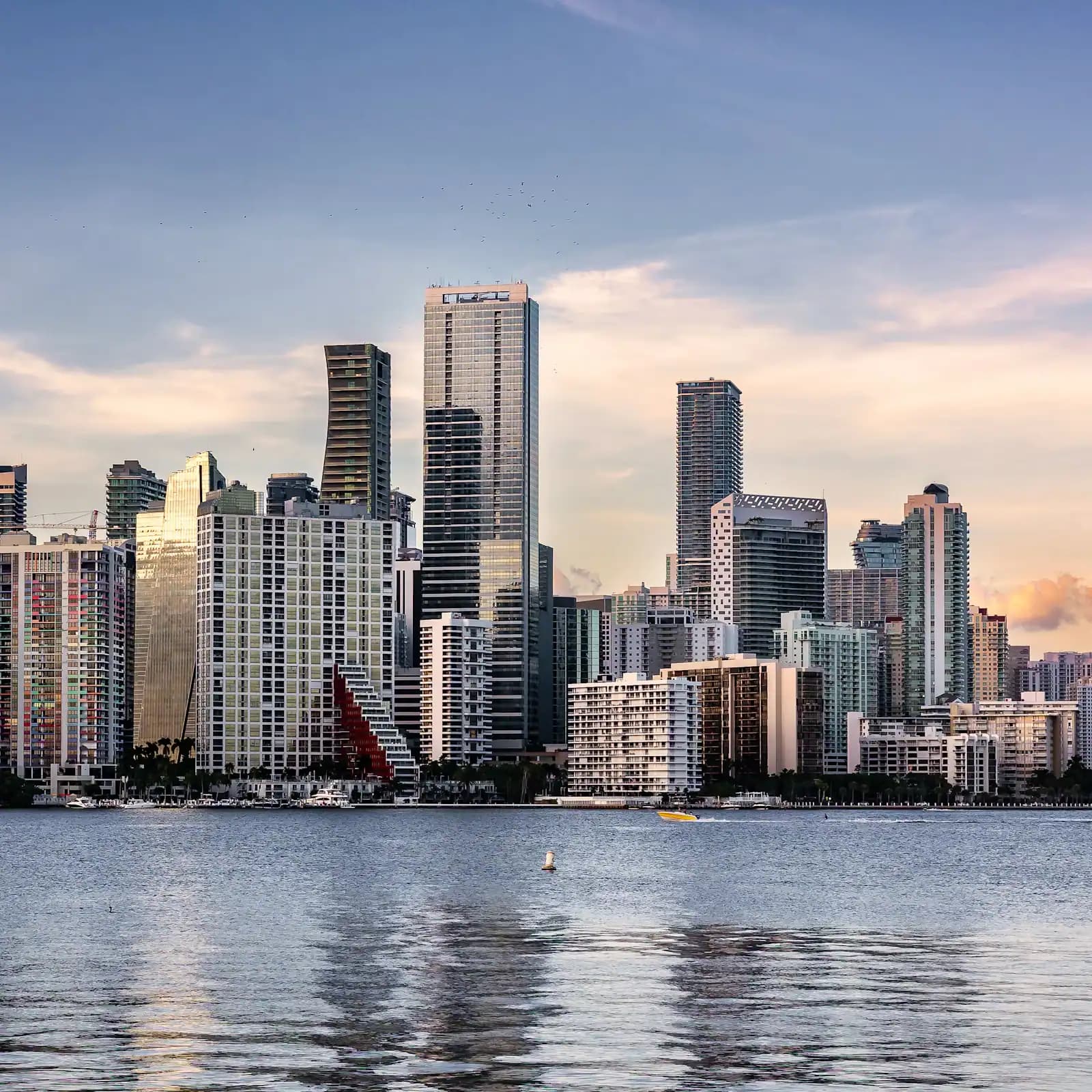
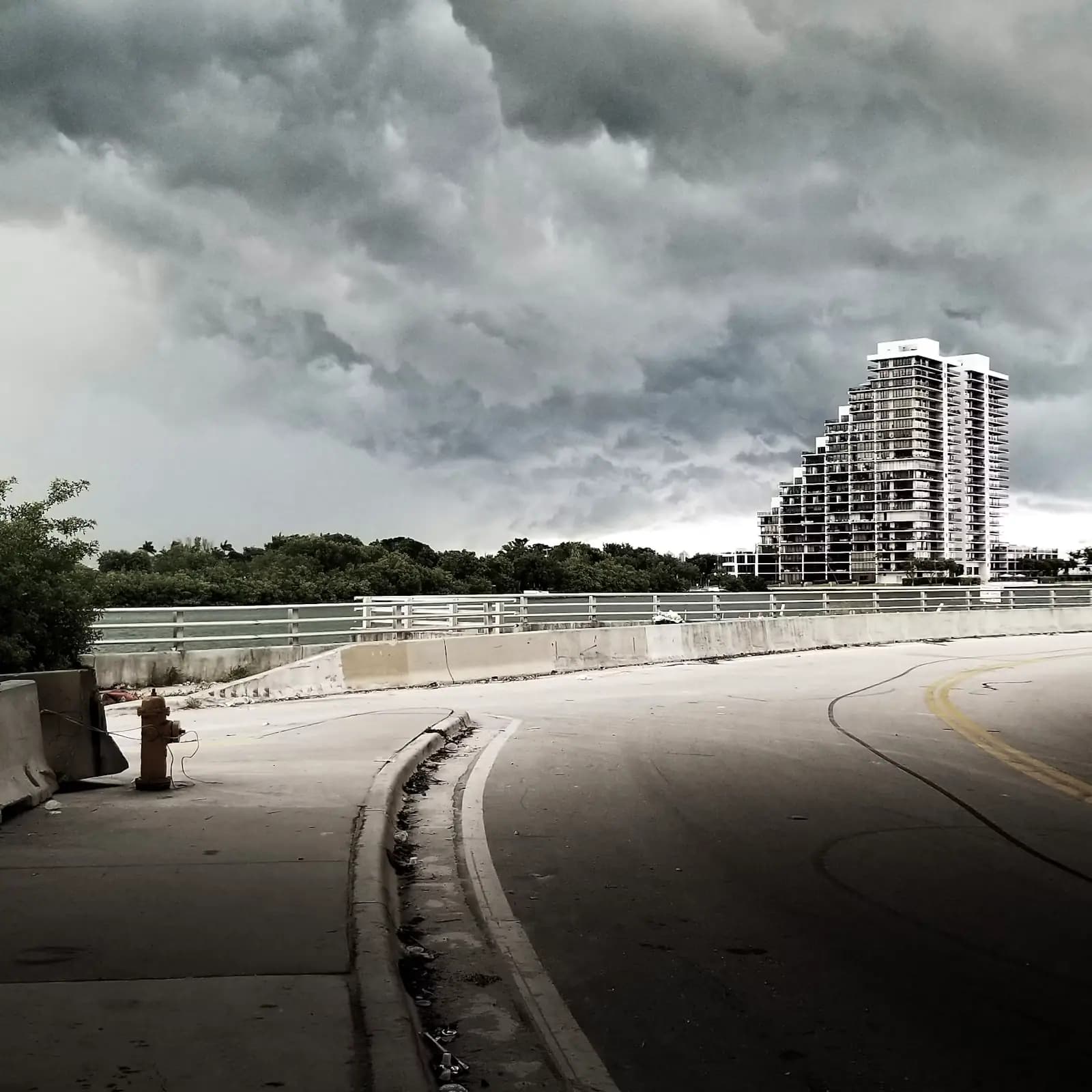
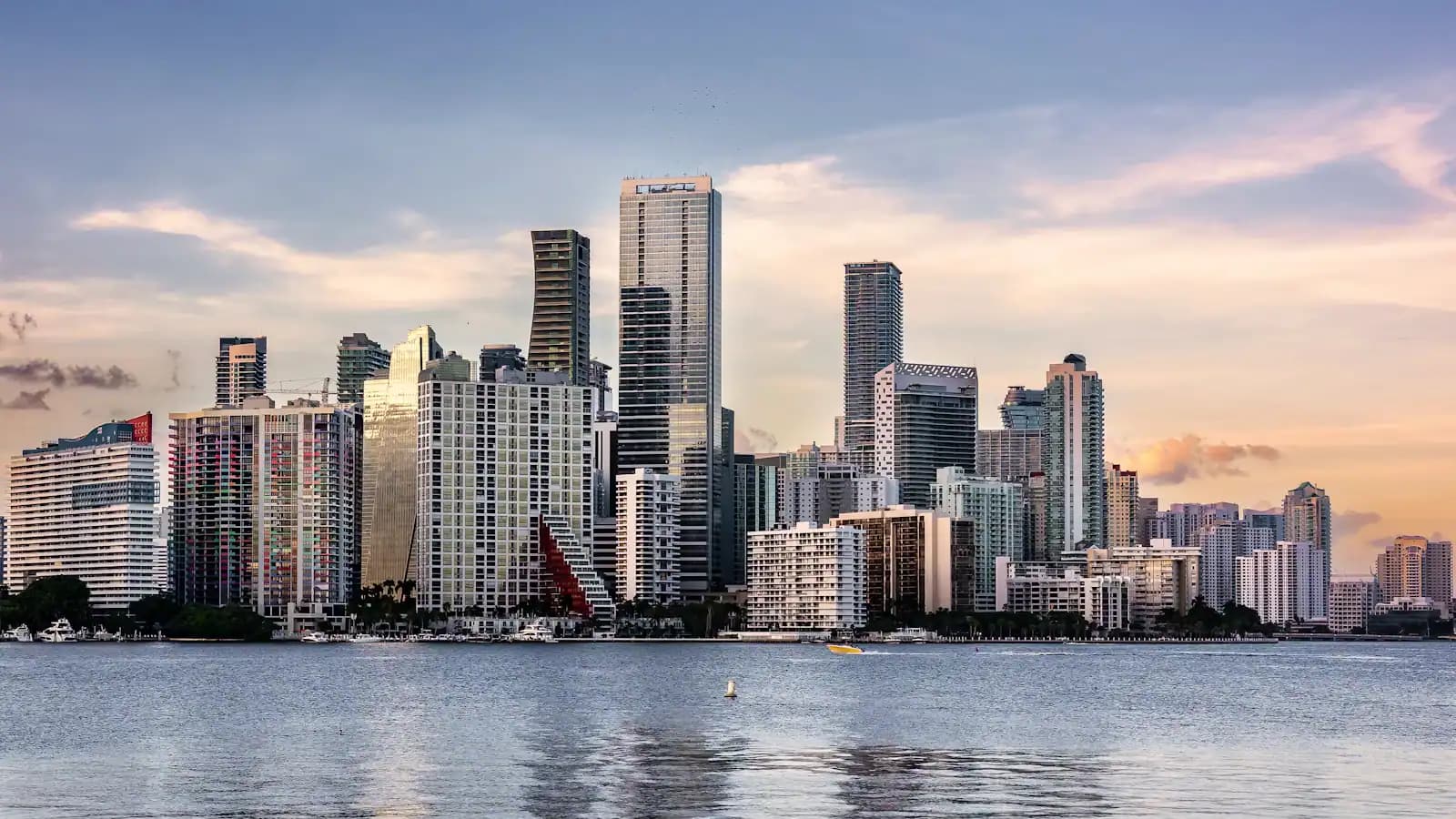
Then there is the thing that is not a clock at all but decides today anyway: which side of Biscayne Bay you woke up on. Miami is on the mainland. Miami Beach is a separate city on a barrier island, joined to it by causeways and by nothing else — no train crosses the water. The same six miles from Wynwood to Ocean Drive is about fifteen minutes at ten in the morning and forty to fifty at six in the evening, with rideshare surge stacked on top. On a day you have already started, a bay crossing is not a detail. It is the single most expensive thing you can add to what is left.
What follows is arranged the way you would actually use it. Look at your watch, find the block that matches, and read the first line: it tells you what today has already taken away. Then take what it gives back. There is a section on what the date itself does — a second Saturday, a last Friday, a Monday, a cruise-ship Saturday and a spring-break Wednesday are five different cities — and a section on the cost of doing this at short notice, because same-day is the most expensive way to buy anything here.
One rule holds across every block below. Do not spend what is left of today crossing the bay twice. Pick the side you are on, stay on it, and let tomorrow have the other one.