On this page
Most one-day Miami plans are wrecked before nine in the morning, and always in the same way. Somebody puts breakfast on the sand, murals at eleven, an airboat at two and a dinner reservation in Coral Gables, and then loses a third of their waking hours to the back of a car on a bridge.
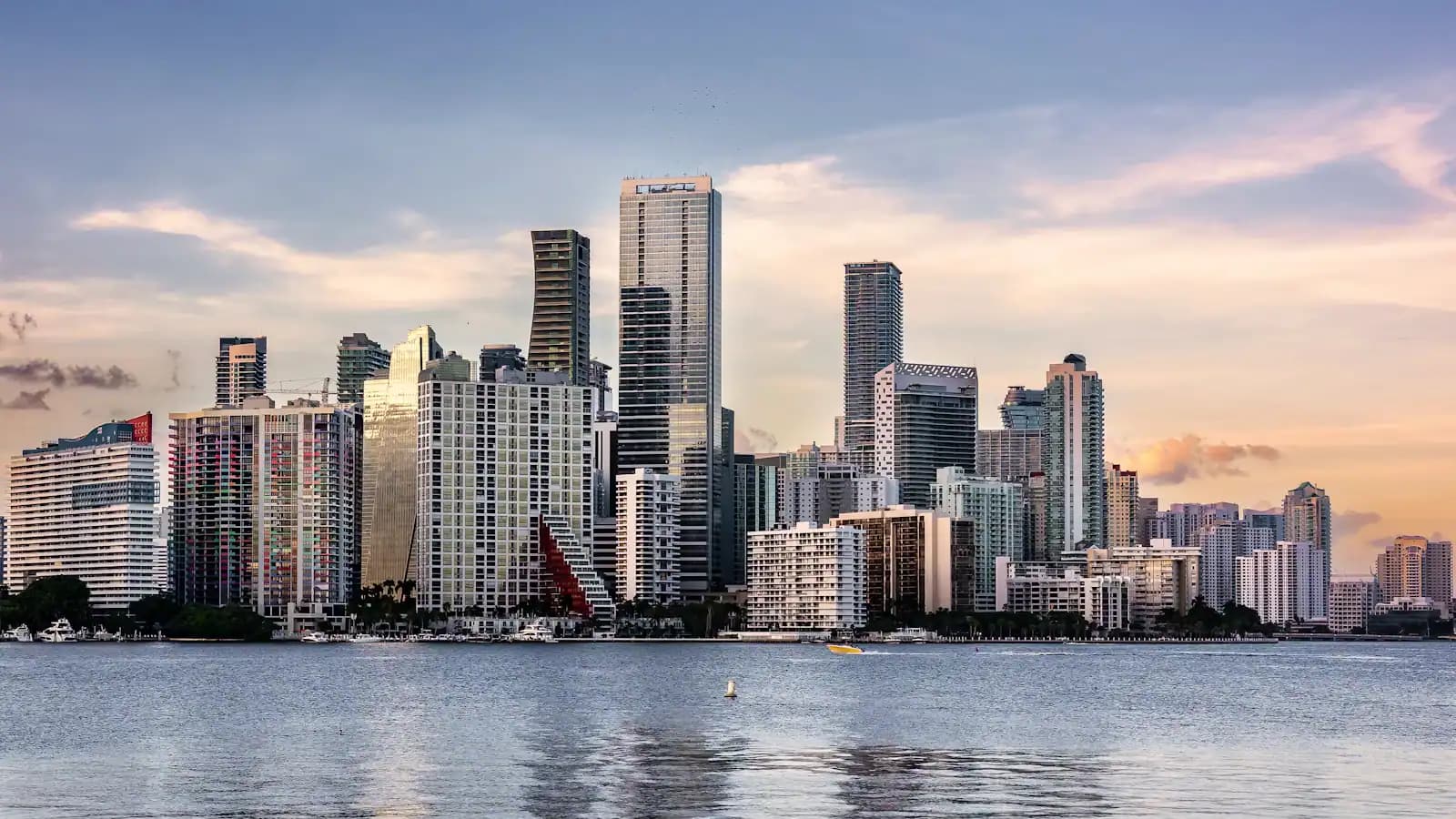
Here is what a map does not tell you. Miami is a mainland city. Miami Beach is a separate city on a barrier island a couple of miles offshore across Biscayne Bay, joined to the mainland by causeways and by nothing else. No rail line crosses. The gap is short and the bottleneck is severe, which is the worst possible combination, because it makes the trip look trivial on a phone screen and take the better part of an hour at six on a Friday.
So this is not a list of twenty things. It is one day, read across three columns: the hour, what you do if your bed is on the mainland, what you do if your bed is on the island, and what you swap in when the sky opens. Pick a column on the morning of, and stay in it.
The day, hour by hour
| Hour | Staying on the mainland | Staying on Miami Beach | If the sky opens |
|---|---|---|---|
| 7:30 | Colada standing at a walk-up window, not a hotel buffet | Sunrise on the sand — the island faces east, so this is the free show | Neither is affected. Rain at this hour is rare |
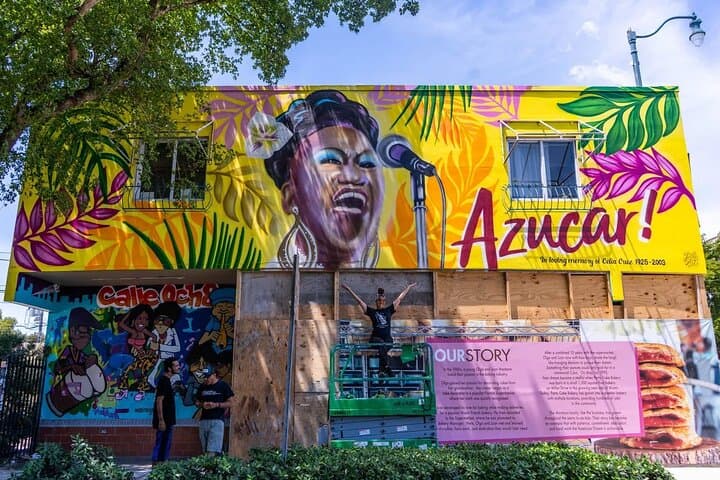
| 8:30 | Wynwood's painted blocks, cool and almost empty | Art Deco streets on foot: Ocean, back along Washington, through Española Way | Both survive an awning. Keep walking |
| 10:15 | North to the Design District for the garage facades and a free gallery hour | Lincoln Road while the shade is still on the west side | Move indoors one hour early and take lunch at 11:30 |
| 12:00 | Lunch in Wynwood or Buena Vista, two blocks off the mural route | Lunch two streets west of Ocean Drive, where locals actually eat | Make it a long one. This is the cheapest shelter in the city |
| 13:15 | Calle Ocho on foot: the domino tables, a cigar counter, a fruit stand | Back on the sand, or the walk south to the ship channel at the island's tip | Swap for the indoor block below and push the outdoor block to 17:00 |
| 15:00 | The downtown museum park — science and planetarium, or the art museum next door | Covered stretches of Lincoln Road, or a gallery a block off it | This is already the indoor block. Nothing moves |
| 17:15 | A free Metromover loop through Brickell, elevated, no ticket | Free trolley west to the bay side of the island | Both are under cover. The Metromover is the better rain hour in the city |
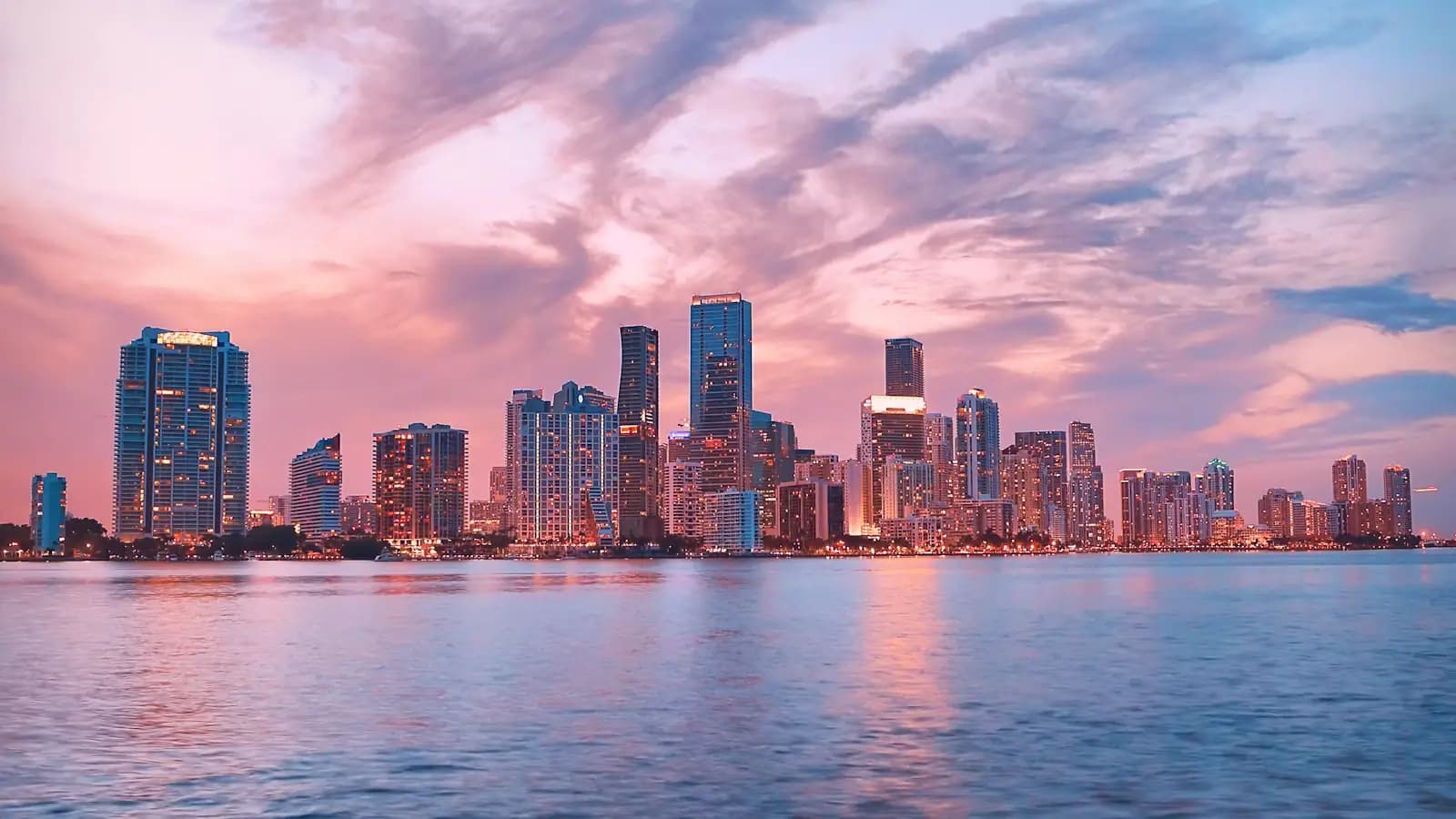
| 18:30 | Sunset from the downtown baywalk or a Brickell terrace | Sunset over the bay from the island's west side, with the skyline lit in front of it | Storms here clear by six. Go outside |
| 20:00 | Dinner within walking distance of where 18:30 found you | Same rule, island version | Same rule |
Read down one column. Do not read diagonally. Every diagonal on that table is a causeway crossing, and a causeway crossing at the wrong hour is the difference between a good day and a day you describe afterwards as "mostly traffic".
Why the hours sit where they do
Three things set this shape, and none of them is preference.
Heat. From June into September the index passes a hundred by early afternoon, routinely. A four-hour walking block starting at eleven does not end well, and it ends particularly badly if anyone in the group is under ten or over seventy. The walking goes in the morning. The middle of the day goes under a roof. That is a scheduling decision, not a comfort preference.
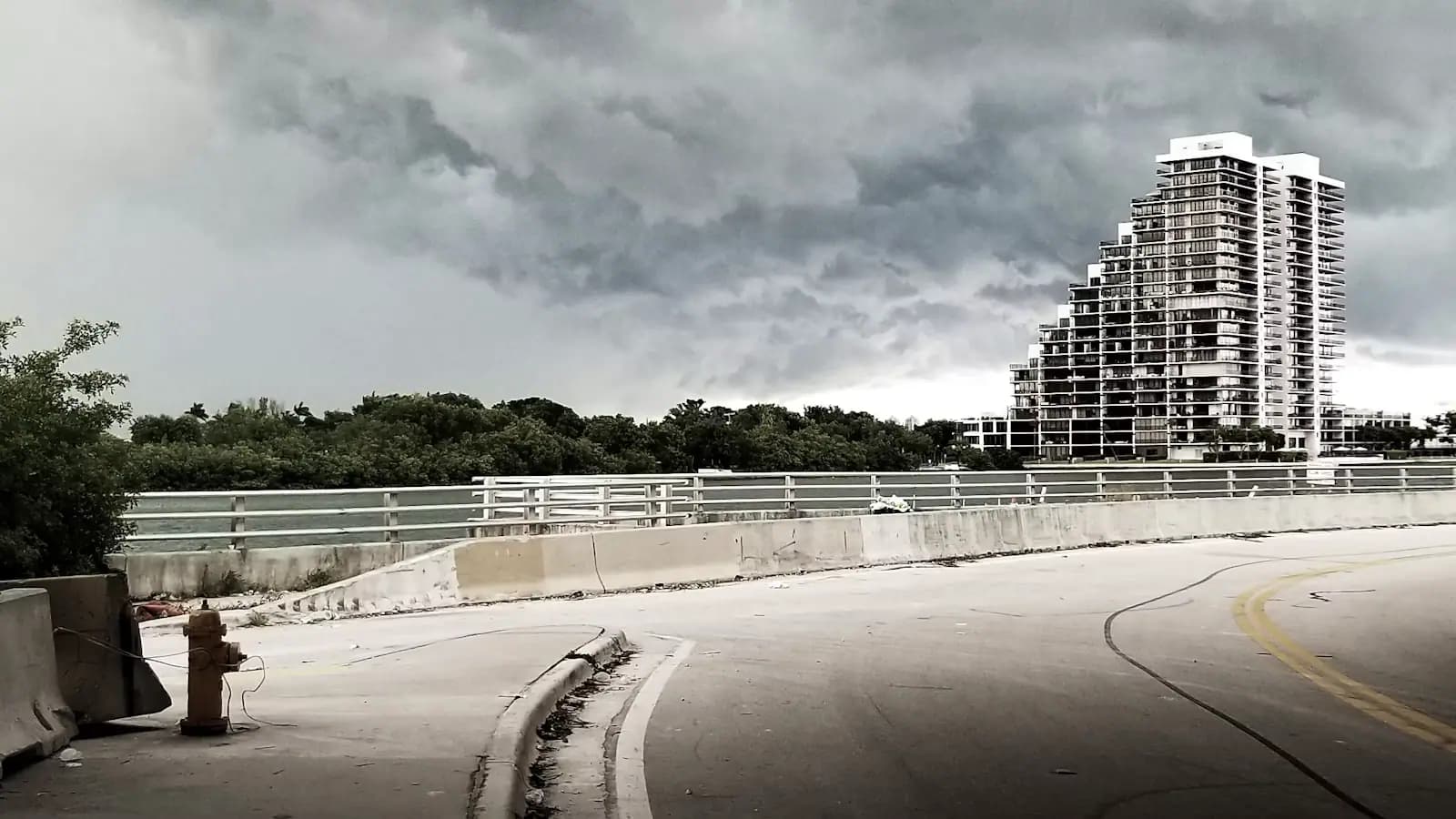
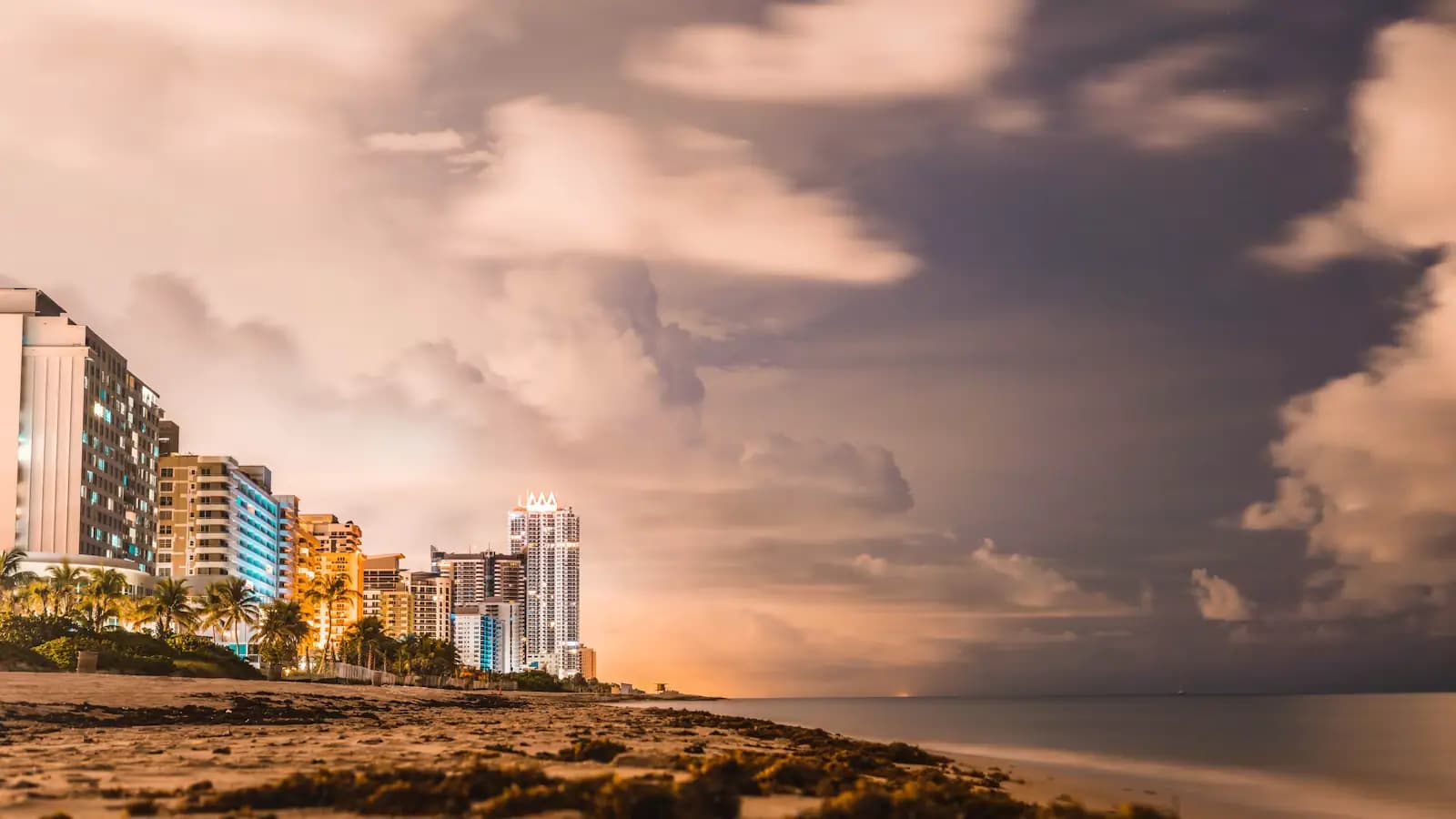
Storms. The summer pattern here is not northern rain. The sky builds visibly through the morning, breaks hard somewhere between two and five, runs for thirty or forty minutes, and leaves the best light of the day behind it. Planning around it means holding one indoor place in reserve, not cancelling anything.
The sun's own timetable. Sunset moves a long way across the year here — roughly half past five in early December, a little past eight in late June. That is two and a half hours of difference in when your day ends, and it is the single most common reason a plan copied from an article written in July collapses in January.
What each leg actually costs you
These are observed bands from a city base, not schedules. Add a third to anything in the two hours either side of six on a weekday.
| Leg | Distance | Mid-morning | Friday, 6pm |
|---|---|---|---|
| Downtown to South Beach | about 5 mi | 12–15 min | 40–50 min |
| Wynwood to Little Havana | about 4 mi | 15 min | 25 min |
| Wynwood to Mid-Beach | about 6 mi | 15 min | 35–45 min |
| Downtown to Coconut Grove | about 5 mi | 15 min | 25–30 min |
| Anywhere on the island to anywhere else, free trolley | — | 15–25 min | 15–25 min |
| MIA to South Beach | about 12 mi | 30 min | 45 min and up |
Two readings matter more than the numbers. The trolley column does not move, because the island's traffic is local and the trolley is not queueing behind commuters on a bridge — which is why the island day is the more reliable of the two plans. And the only leg that gets worse on a Sunday than a Friday is northbound on US-1 from the Keys in the late afternoon, which is one more reason not to attempt the Keys on a single day here.
If your day does not start at eight
You land at eleven. Delete the 8:30 block, not the 15:00 one. Go straight to lunch, then run the afternoon and evening rows as written. A late start costs you the cool hours, so it costs you a walking block, not an indoor one.
You are off a cruise ship. You are already downtown. Take the mainland column, skip the Design District, and be honest about all-aboard time — on a heavy Saturday twenty thousand people are heading for the same two causeways in the hour you need one.
You have a noon checkout and a night flight. Store the bags, run the afternoon and evening rows, and book the airport ride for ninety minutes before you would normally leave. The MIA run is thirty minutes at eleven in the morning and unpredictable at six.
You have a car. It helps between mainland neighbourhoods and hurts everywhere else. On the island it is a liability: meters run about $4 an hour, garages $20 to $30 for the day, and the two cities use different parking apps. Download both before you need either.
The one thing worth booking
If you buy a single thing on a one-day trip, buy orientation early rather than a queue jump later. A two to three hour small-group walk starting at nine puts the distances into your legs before you spend money crossing them, and it fills the coolest hours with the one thing you cannot do alone — somebody answering questions while you walk.
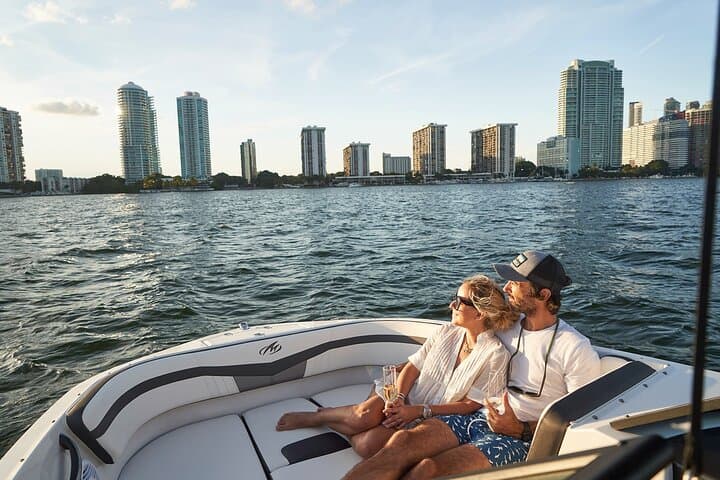
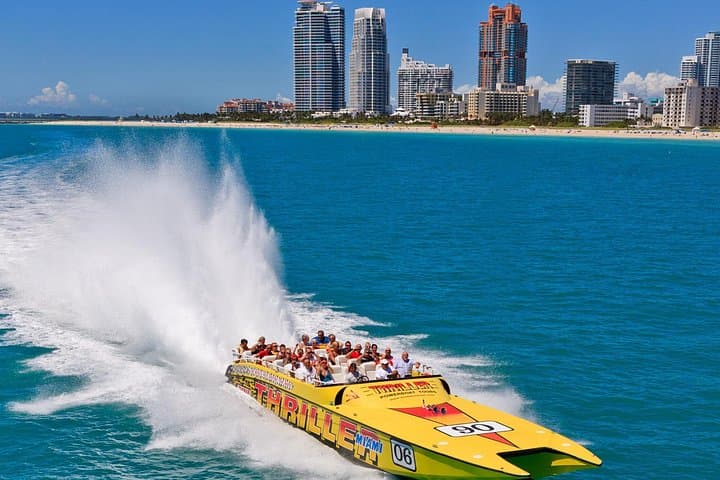
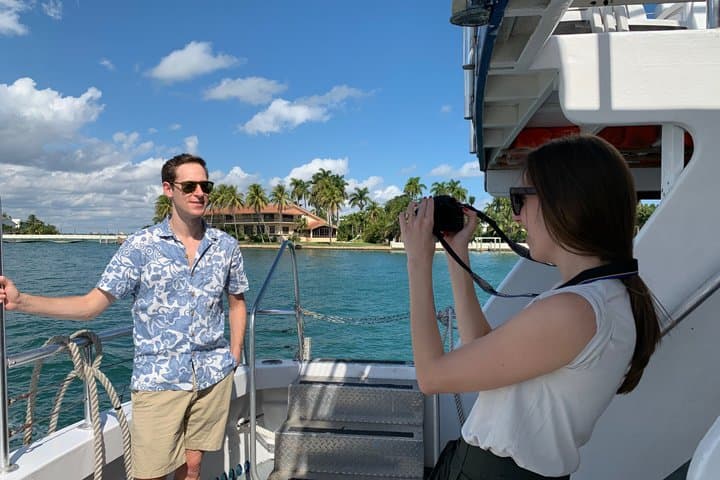
If you buy a second thing, make it a short bay cruise. Ninety minutes on the water shows you both cities and the causeways between them at once, which is the entire planning problem laid out in front of you, and drops you back on the free Metromover afterwards.
What not to book on a one-day trip: two timed-entry tickets. One is a fixed point the day bends around. Two is a schedule with no slack in it, and this city gives you no slack.
Five ways this day still goes wrong
- A dinner reservation across the bay from where six o'clock finds you. Move the reservation, not the afternoon.
- Assuming sunset happens over the ocean. Miami Beach faces east. People stand on Ocean Drive at seven waiting for something that is happening behind them.
- Treating an Everglades airboat trip as a two-hour errand. The operators sit thirty to forty-five minutes west of the city, and a half-day trip with pickup runs four to five hours door to door.
- Buying a museum ticket for a second Saturday without booking it. Free days here sell out days ahead, free or not.
- Carrying an umbrella instead of a plan. In a forty-minute subtropical downpour with wind, an umbrella is a liability. Find a doorway, order something, wait.
The rule everything above hangs on: cross once
Count the bay crossings in your draft plan. If the answer is more than one, something has to go.
A day with two crossings in it gives up somewhere between sixty and a hundred minutes to bridges and merging traffic, and it gives them up at the most expensive per-minute rate of the day, because rideshare surge lands on exactly the hours the bridges are worst.
Cross before eleven or after eight, and cross in the direction of your dinner. The two hours either side of six are the worst of the day in both directions.
Drawbridges are normal here, not a fault. The causeway spans lift for tall traffic, it costs a few minutes, and nobody can do anything about it — so do not build a plan with a five-minute margin on the far side of one.
And remember what the free transit does not do. The Metromover is excellent inside downtown, the Omni and Brickell. The island trolleys are excellent along the island. Neither crosses the bay. That gap is a paid ride or a bus, and it is precisely where a "free day" quietly stops being free.
Eating on a one-day plan, without losing an hour to it
Breakfast should be standing up. A colada or a cortadito at a walk-up window takes four minutes and costs less than a hotel coffee, and it is the single most Miami thing you will do before noon. The pastry counter next to it will feed two people for the price of one hotel pastry.
Lunch is where the hour goes missing. Sit down deliberately at midday, because you are buying air conditioning and a chair during the part of the day you should not be walking anyway. On the island, walk two streets west of Ocean Drive first — everything directly on that strip is priced for people who are never coming back.
Dinner has one rule and it is geographic, not culinary: book it within walking distance of where six o'clock finds you. A good restaurant on the wrong side of the bay is an hour of your last evening.
If your budget is tight, invert it. Make the midday sit-down the real meal, where prix-fixe pricing is common in late summer, and make dinner a counter, a ventanita or a market. The food does not get worse. The bill halves.
Last updated
Opening hours, ordinances and prices move with the season. We re-check this guide rather than rewrite it, and the date above is the last time someone did. How we research and correct.