Skip to content
Search
Menu

We earn a commission if you book through this link. You pay the same price.

Beach

South Beach

Last updated

Budget three hours minimum, because the sand is only half of it — the causeway takes the rest of your afternoon.

Start with the geography, because the whole scheduling problem comes out of it. South Beach is the southern end of Miami Beach, which is a separate city on a barrier island. Miami is on the mainland. Between them is Biscayne Bay, and the only ways across are causeways. No train crosses. That is why a beach block has to be planned as a round trip rather than as a stop.

Here is the arithmetic most one-day plans skip. From downtown or Brickell the MacArthur Causeway runs about twelve to fifteen minutes mid-morning and forty to fifty at six on a Friday. From Wynwood or the Design District over the Julia Tuttle, call it fifteen minutes off-peak and thirty-five to forty-five at rush hour. Then add parking, which on a weekend afternoon means circling. Then add the walk: the sand here is unusually deep, and it is a genuine four or five minutes from Ocean Drive to the water's edge with a bag in each hand.

So the honest floor is about three hours door to door for an hour of actual swimming. Below that you are buying a car journey. Above about five hours you have effectively committed the day to the island, which is fine — it is a good day — but it means Little Havana, Vizcaya and the Everglades are off the table.

The block also has a shape. In summer the useful beach hours run from opening light to roughly eleven, and again from four until dark, with the middle of the day given over to heat index and the mid-afternoon storm. In winter the whole day works and the queue for everything doubles.

What makes the block efficient is that the beach is not the only thing on the island. Ten minutes on foot inland puts you on Lincoln Road, Española Way and the deco blocks, all of which are walkable from the sand. Stack those and the crossing pays for itself.

Getting there and parking

South Beach is on Miami Beach, a separate city across Biscayne Bay from Miami. Every route is a causeway.

From downtown, Brickell or the port: the MacArthur Causeway, about five miles. Twelve to fifteen minutes mid-morning, forty to fifty in the two hours either side of six on a weekday.

From Wynwood, Midtown or the Design District: the Julia Tuttle, about six miles. Fifteen minutes off-peak, thirty-five to forty-five at rush hour.

From MIA: roughly twelve miles and thirty to forty-five minutes depending on the hour. Fort Lauderdale's airport is a genuine alternative for this neighbourhood and is often no slower.

No rail crosses the bay. Metromover is free but covers downtown and Brickell only; Metrorail does not reach the island. The connection is a rideshare, a bus or a drive.

Once you are on the island, the free Miami Beach trolleys run the length of it at roughly fifteen to twenty minute headways, which is the cheapest way to move between the beach, Lincoln Road and the bay side.
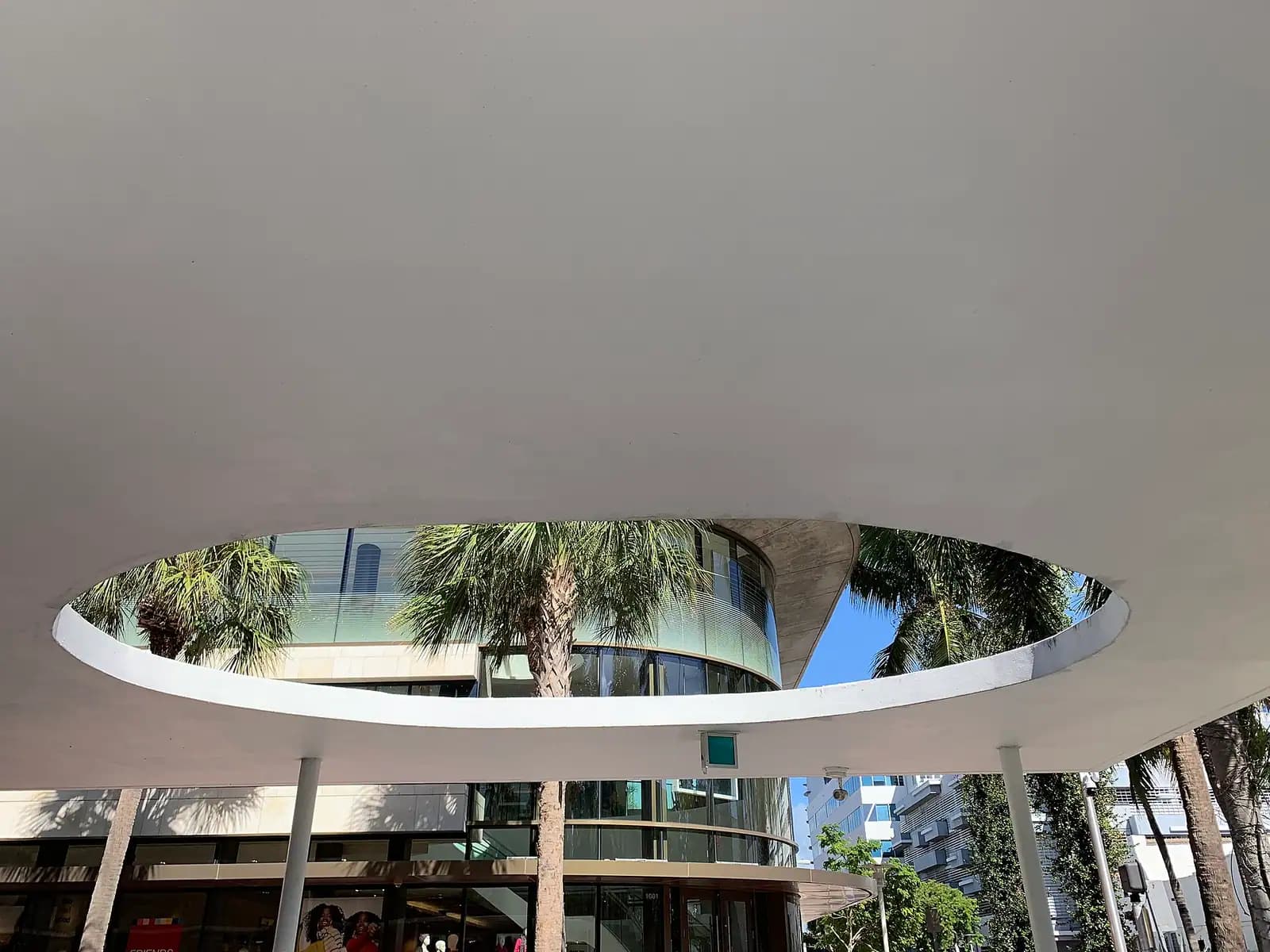
The smallest block worth crossing for

Treat South Beach as a minimum three-hour commitment from anywhere on the mainland. Anything shorter and the causeway is most of it.

Your blockWhat actually fits
Under 2 hoursNothing, from the mainland. Do something on your own side of the bay
3 hoursRound trip plus roughly an hour on the sand and a drink
4–5 hoursSand, a shower, lunch off the strip, and Lincoln Road on foot
6 hours plusThe whole island day: sand, deco blocks, a trolley north, sunset on the bay side

If you are already sleeping on the island, delete the travel line entirely and the calculus inverts: a forty-minute swim before breakfast is free, and it is the single best forty minutes of a Miami Beach day.

Two crossings in one day is the plan-killer. A morning on the sand followed by an evening dinner reservation back on the mainland spends somewhere between sixty and a hundred minutes on bridges, at the most expensive per-minute rate of the day. Cross once, late, in the direction you are sleeping.

When to arrive, by season and by hour

Summer, roughly June to October. On the sand by nine at the latest. The heat index climbs through the late morning, the afternoon builds a storm cell that usually breaks somewhere between two and four, and there is no shelter on an open beach — no tree line, no awning, nothing but the lifeguard stand you are not allowed in. The storm is typically thirty to forty minutes and then gone, which is why an afternoon return at four or five is often the better half of the day.

Winter, roughly December to April. Every hour works, the water is cooler than visitors expect, and the whole island is running at high season prices with high season queues. Arriving before ten is about competition for parking rather than heat.

Weekday versus weekend matters more than the season. A Tuesday morning and a Saturday afternoon on the same stretch of sand are different products, and only one of them involves waiting twenty minutes for a garage space.

Spring break in March distorts the southern blocks badly, and the city has run enforcement measures, road closures and curfews in recent years. Check what is in force before booking March around this neighbourhood.

Parking is the tax, so plan to avoid it

Street parking is metered by app across the whole neighbourhood, and on a weekend afternoon the realistic option is a municipal garage rather than a kerb. Rates are higher than most visitors expect and rise for events. Residential permit zones start immediately west of the main strips and are enforced.

The cheaper pattern is to not bring the car at all. Rideshare across the causeway once, then use the free Miami Beach trolleys along the island — published as running roughly 8am to 11pm at about fifteen to twenty minute headways — which cover the length of the island from South Beach up through Mid-Beach and North Beach at no fare. For a beach day that does not need to leave the island, that combination costs one fare each way and nothing in between.

If you are driving, pick the garage before you set off rather than after you arrive, and accept the rate. The twenty minutes spent looking for something cheaper is worth more than the difference.

One more cost people forget: bringing a car onto the island means bringing it off again at the exact hour everyone else is, which is where the forty-minute version of the causeway lives.

What to do in the hour before and the hour after

The sand is the anchor. These are the fillers that make the block worth its travel time, all reachable on foot from the beach.

  • Straight after the sand, inland. Ten minutes on foot west puts you on Lincoln Road, which is covered in enough places to survive a shower and air-conditioned in enough of them to survive an afternoon. It is the standard second half of a beach block.
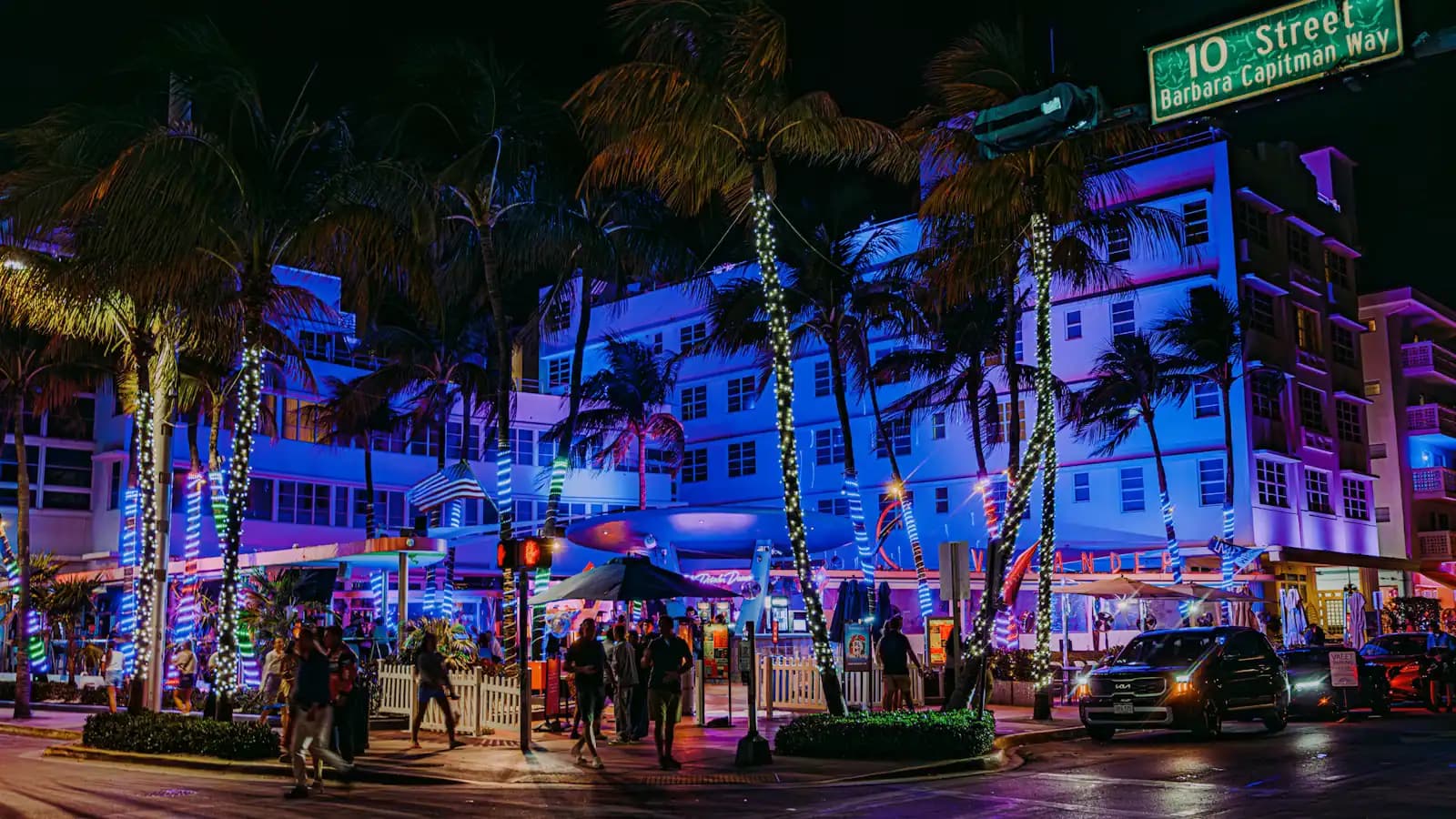
  • Before the sand, early. The deco blocks between Ocean Drive and Washington Avenue read best between seven and nine, when the light is low and the pavements are empty. Walk them first, swim second.
  • At the end of the block, west. The island's sunsets happen over the bay, not the ocean. If you are staying past six, walk or ride across to the bay side rather than standing on Ocean Drive waiting for something that will not happen there.
  • Do not stack a second beach. Key Biscayne is a different island, a different causeway and a toll. Pick one per day.

For a rain hour, the honest answer is that the beach has none. Move the block rather than waiting it out.

Tours that visit South Beach

Operators run these trips past South Beach, or stop there as part of a longer route. We list what the booking data supports — not everything that mentions the name.

Some links below go to Viator, our booking partner. We earn a commission on bookings made through them — at no extra cost to you, and with no influence on what we recommend.

No bookable tours are matching South Beach right now

Operators add and retire experiences constantly, so this list changes week to week. Try a broader category, or come back in a day or two.

Near South Beach

Straight-line distances, so allow more on the road — the island is long and has one main parkway.

  • A pedestrianised shopping street with cafe tables set out beneath trees and awnings
    Free
    Shopping

    Lincoln Road

    Eight pedestrian blocks, ten minutes from the sand, and the only reliable cover on the island when the sky opens.

    1–3 hoursFree to walk, and the free outdoor programming at the eastern end costs nothing when it is running. Food, shopping and parking are the only expenses.0.7 mi away

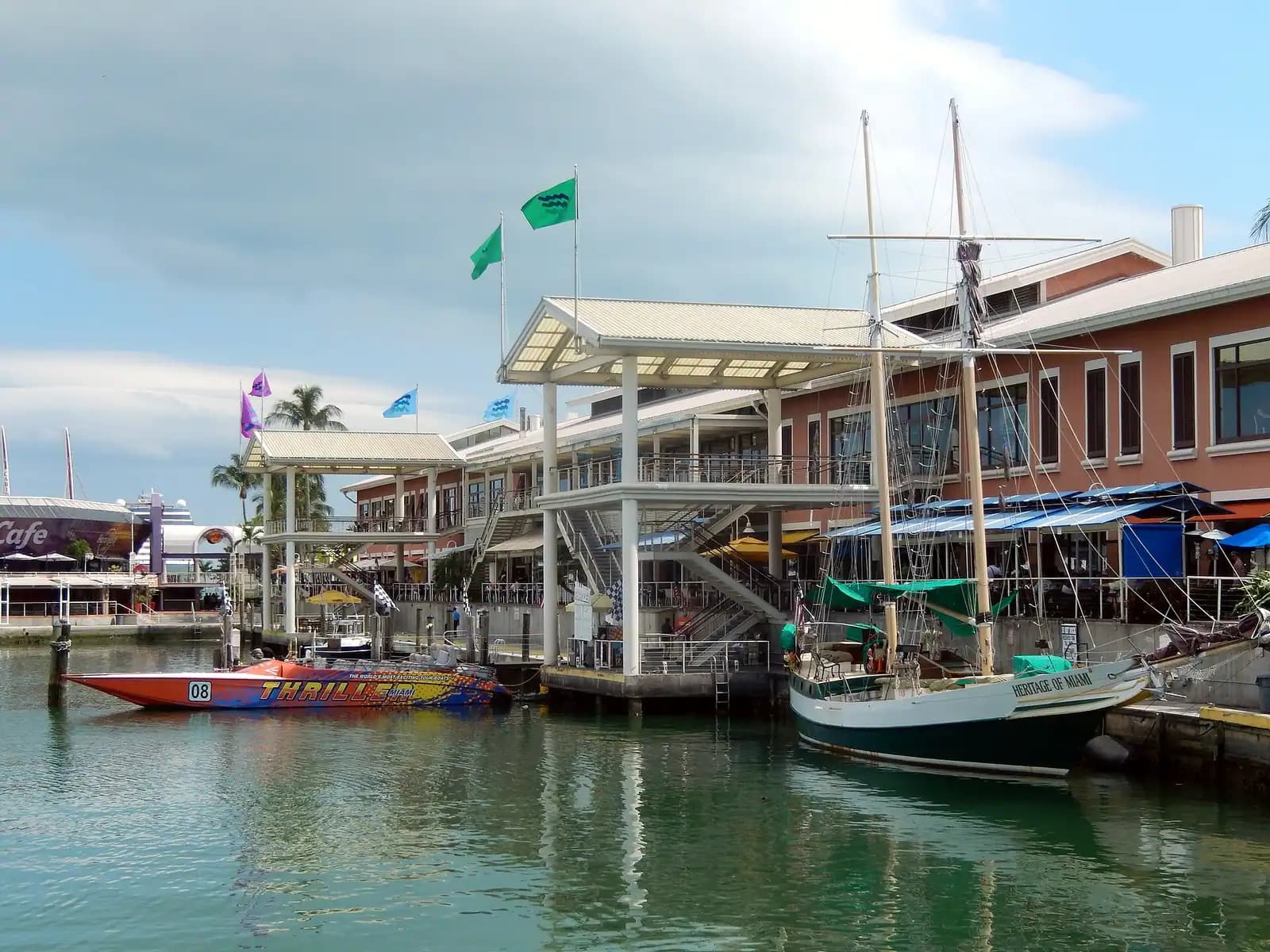
  • Pleasure boats moored in a downtown marina with office towers rising behind them
    Free
    Shopping

    Bayside Marketplace

    Where your boat leaves from. Arrive thirty minutes early, and know exactly what to do with those thirty minutes.

    1–2.5 hoursFree to enter and walk. Bay cruises, speedboat rides and the observation wheel are each ticketed separately by their operators.3.5 mi away

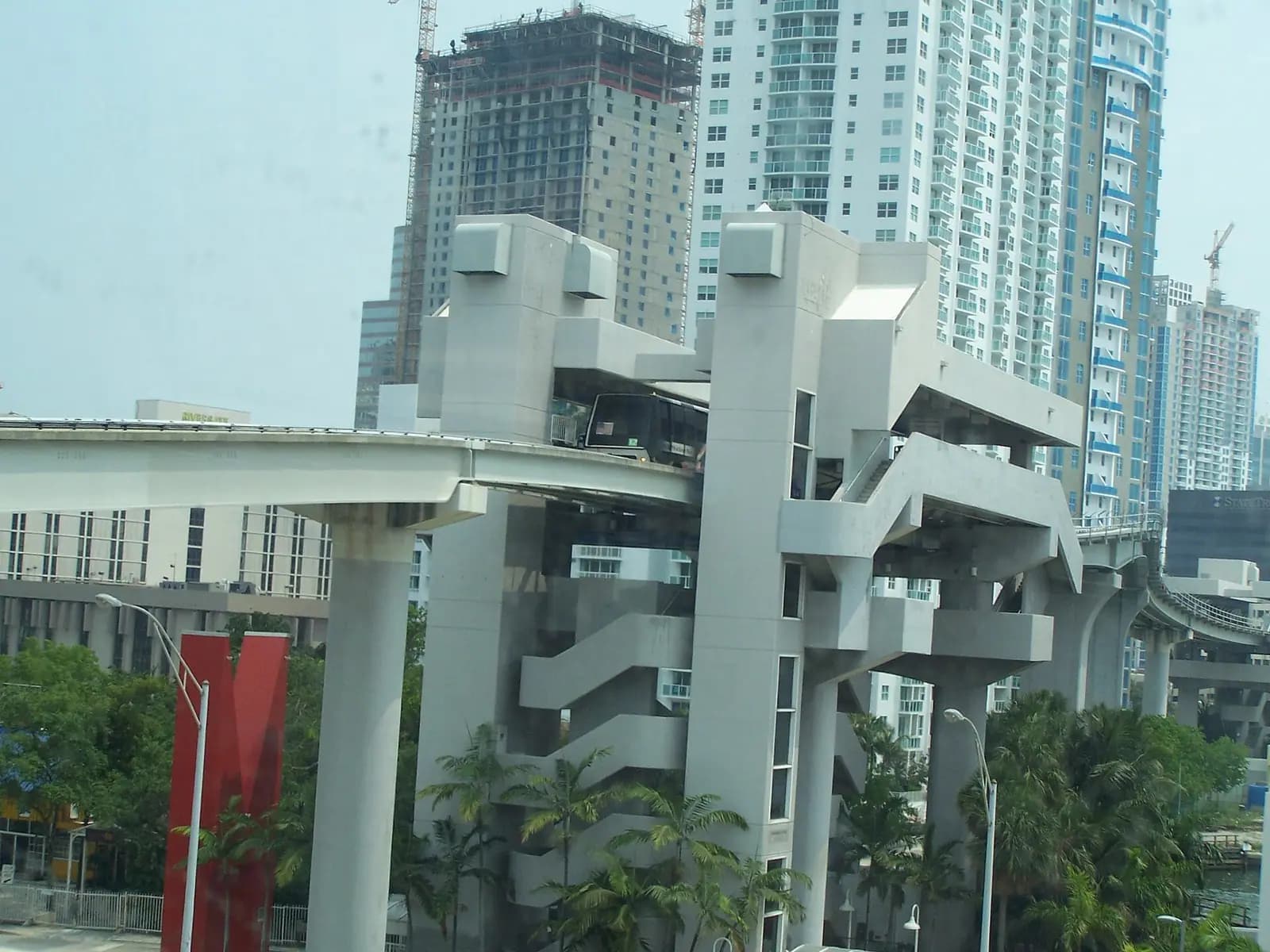
  • The elevated Riverwalk Metromover station and its concrete guideway between downtown Miami towers
    Free
    Landmark

    Metromover

    Thirty free minutes with a skyline view, and the only reliable dry seat in downtown Miami when a storm arrives.

    0.5–1 hoursCompletely free. There is no ticket, no tap and no gate on any of the 21 stations or three loops.4.2 mi away

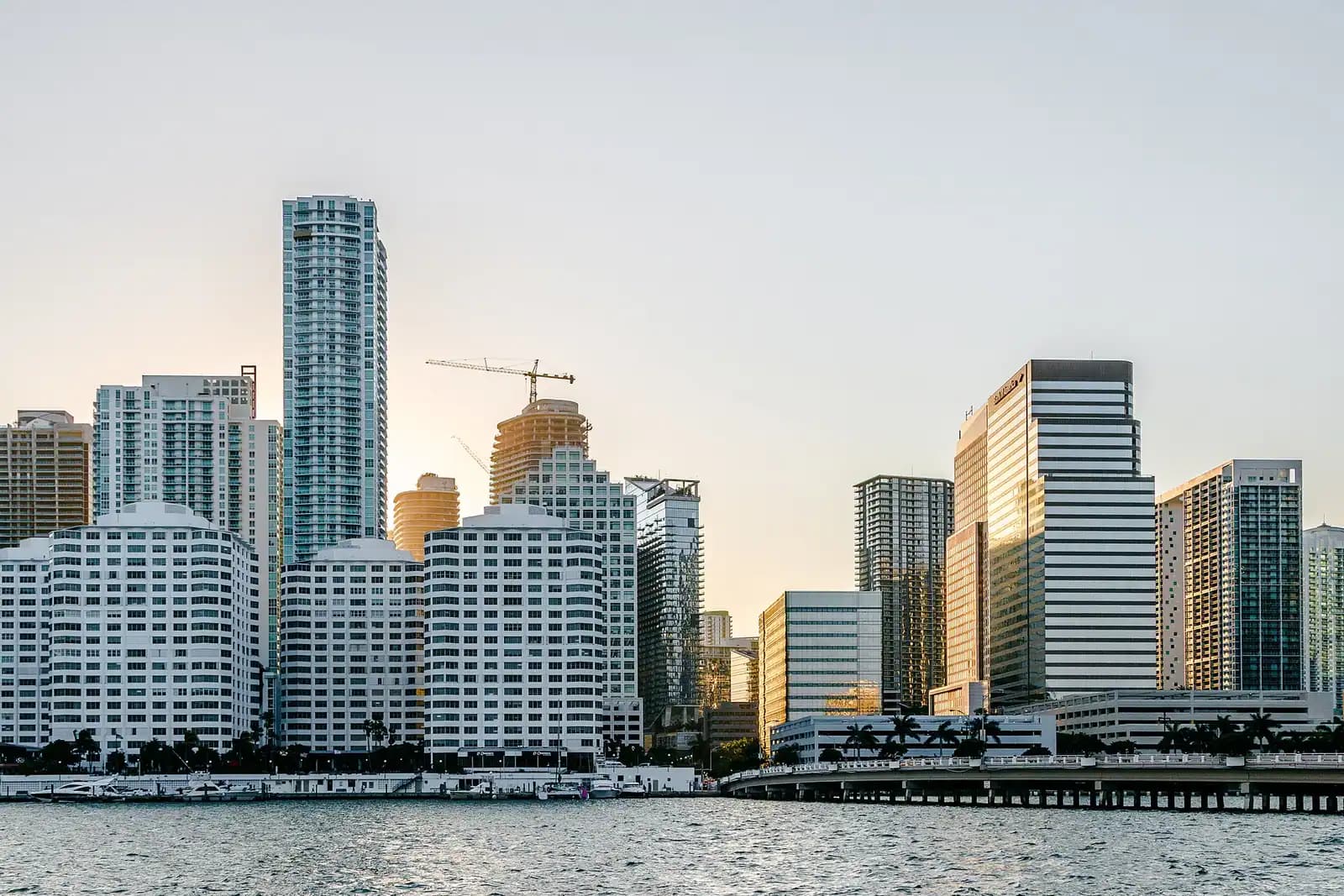
  • Glass residential towers rising above a tree-lined city street at dusk
    Free
    Neighbourhood

    Brickell

    The only part of Miami where the travel time between two things is four minutes on foot.

    1.5–4 hoursFree to walk, and the Metromover through it costs nothing. Food, drink and parking are the only expenses.4.1 mi away

South Beach: common questions

Is South Beach in Miami?

No, and the distinction matters for planning. South Beach is a neighbourhood of Miami Beach, a separate incorporated city on a barrier island across Biscayne Bay. Miami is on the mainland. The two are joined only by causeways, and no rail line crosses between them, so every trip from a Miami hotel to South Beach is a road journey of twelve to fifty minutes depending entirely on the hour you travel.

How long should I spend at South Beach?

From a mainland base, budget three hours minimum for the round trip plus about an hour on the sand — anything shorter is mostly causeway. Four to five hours buys you the sand, a shower, lunch a few blocks inland and a walk along Lincoln Road. If you are sleeping on the island the travel cost disappears and a forty-minute swim before breakfast becomes the easiest win of the trip.

What is the best time of day to go to South Beach?

Before eleven in the morning or after four in the afternoon. In summer the middle of the day combines a punishing heat index with a thunderstorm that usually breaks between two and four, and an open beach offers nowhere to shelter. The storm typically lasts thirty to forty minutes, so a late-afternoon return often works better than waiting it out. In winter every daylight hour is comfortable.

Do I need a car for a South Beach day?

No, and a car is usually the more expensive option. Street parking is app-metered and garages fill on weekend afternoons. The cheaper pattern is one rideshare across the causeway, then the free Miami Beach trolleys, which run the length of the island at roughly fifteen to twenty minute headways and connect the beach with Lincoln Road and the bay side at no fare.

Can you watch the sunset from South Beach?

Not from the ocean side. Miami Beach faces east, so the Atlantic gets the sunrise and the sun sets behind the mainland skyline over Biscayne Bay. Standing on Ocean Drive at seven waiting for a sunset is the most common visitor mistake on the island. Walk or ride fifteen minutes west to the bay side and you get the skyline lit in front of the sun instead.