Private Miami Boat Charter: Sightseeing, Sunset & Sandbar (opens in a new tab)
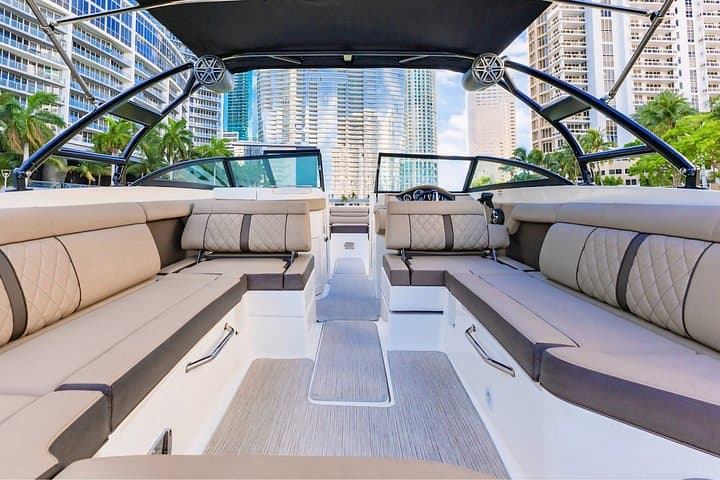
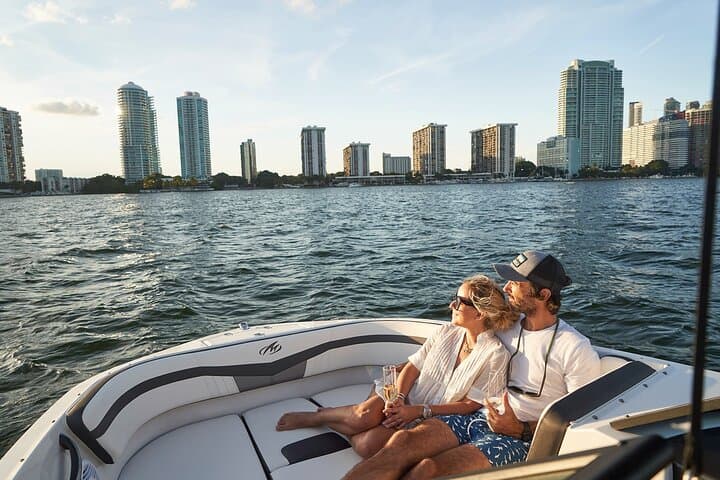
Experience Miami the way it’s meant to be seen—on your own private boat, with the flexibility to make the day exactly what you want. With…
2 hours
Prices checked
Seasonal
About ten and a half hours of daylight at the December solstice, nearly fourteen in June. A winter plan copied from a summer article runs out of light before it runs out of items.
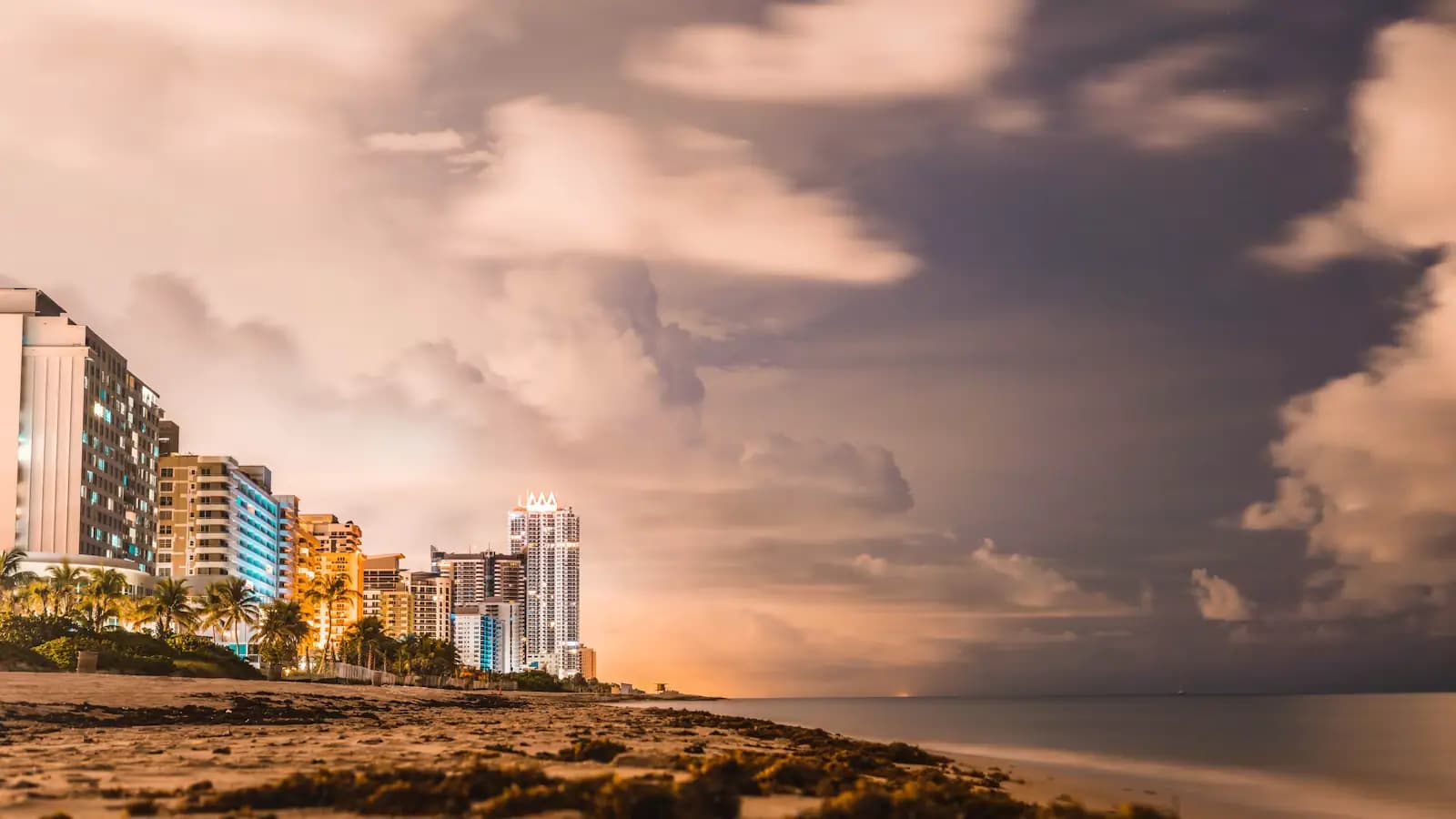
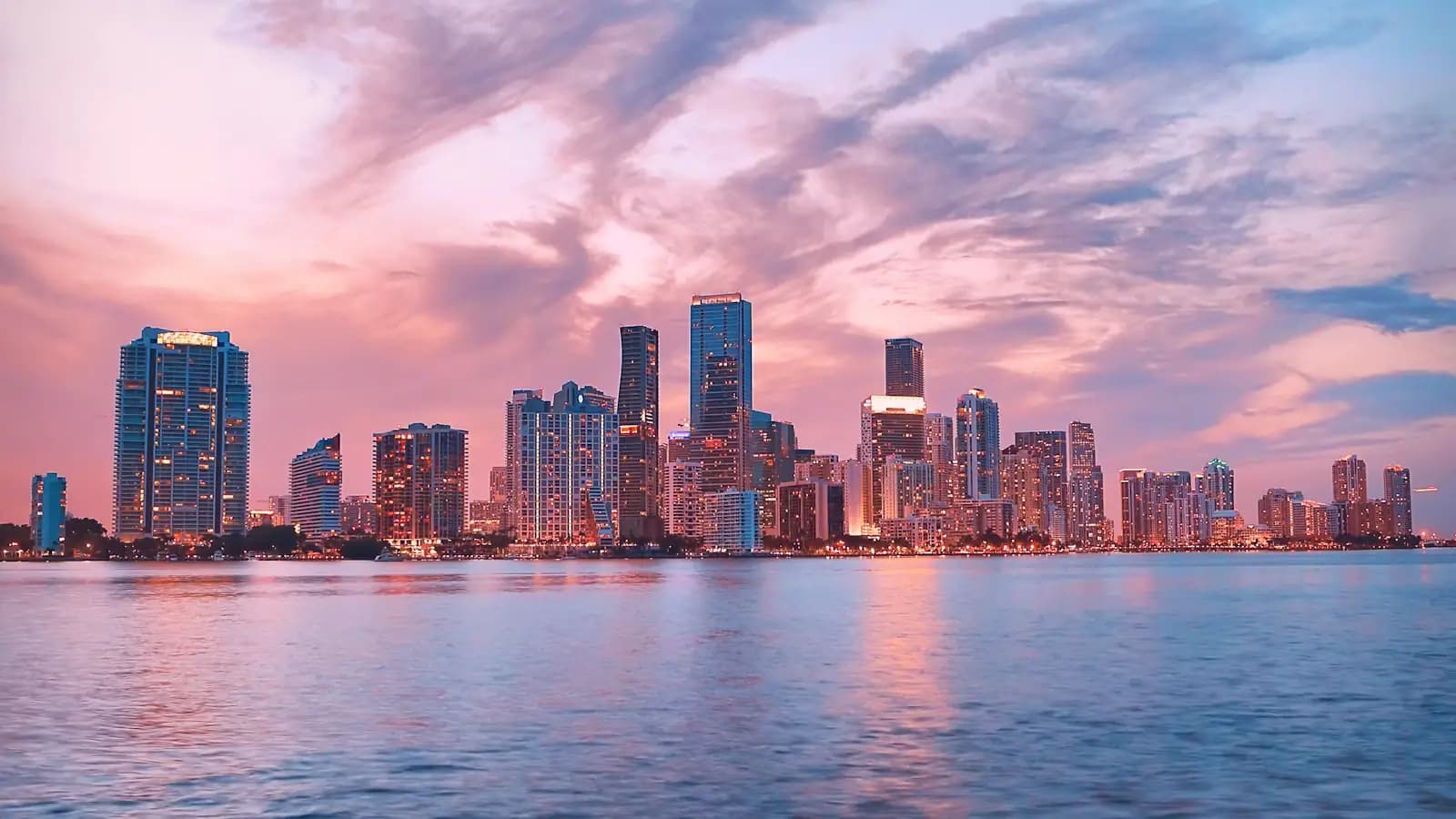
UnsplashMiami sits far enough south that its seasons are mild and far enough north that its daylight is not. Sunset falls at roughly half past five in early December and just past eight in late June, with daylight running from about ten and a half hours at the December solstice to nearly fourteen hours at the June one.
Clocks move too. Daylight saving time begins on the second Sunday in March and ends on the first Sunday in November, which means the city is five hours behind Coordinated Universal Time in winter and four in summer. The November change is abrupt in practice: an evening that ended in daylight on the Saturday ends in the dark on the Sunday.
In summer, you get an extra block. A long evening means the five-to-eight window is genuinely usable outdoor time, which is exactly when the heat has broken and the afternoon storm has cleared the air. This is why the summer plans on this site put walking in the morning, a roof in the middle, and the best outdoor thing of the day at the end.
In winter, you lose one. With sunset before six, a January afternoon block that starts at four is a block that finishes in the dark. Winter itineraries need to be shorter and earlier, and any outdoor plan for the last hour of light has to start by half past four.
Miami Beach faces east. The sun rises out of the Atlantic in front of the hotels and sets behind them, over Biscayne Bay and the mainland skyline.
Standing on Ocean Drive at seven waiting for a sunset is the single most common visitor mistake on that island, and it is entirely avoidable: walk fifteen minutes west to the bay side and the sun goes down with the downtown towers lit in front of it. On the mainland, the downtown baywalk and the west-facing terraces in Brickell do the same job.
Sunrise, conversely, belongs to the ocean side, and in summer it happens before half past six — which is early enough that the sand is empty and cool and nobody is charging for a lounger yet.
SourcingSunset and daylight figures summarised from published sunrise and sunset tables for Miami at the December and June solstices; the daylight-saving rule is the federal schedule of the second Sunday in March to the first Sunday in November. Times shift by a few minutes across the metropolitan area and by date — check the exact time for your day.
Plan around it
The pages that carry the practical detail behind this story — hours, costs, access and where it sits on Miami.
Things to do
Sunset in Miami happens over Biscayne Bay behind the mainland skyline, not over the ocean. Where to stand, the real time by month, and the…
Things to do
Morning is the operative window in Miami: flat bay water, no lightning risk, empty murals and cool sand. What to do hour by hour from…
Things to do
The best time to visit Miami, read as a planning problem: the storm hour, booking lead times, three weeks to avoid, and how far the…
Things to do
Things to do in Miami for couples, planned backwards from dinner: where to be at six, the sunset that happens over the bay, and the weeks…
Related
This story touches something you can book. These are live listings from our booking partner, not a recommendation attached to the report above.
Some links below go to Viator, our booking partner. We earn a commission on bookings made through them — at no extra cost to you, and with no influence on what we recommend.
Newsroom
Who reported this
Senior Editor
Priya runs this site and enforces its one rule: every timing we publish is door to door, with the causeway in it. She edits the itineraries, argues about whether a plan survives a Friday at six, and cuts any sentence that would read just as well about a city with no bay down the middle of it.
Our newsroom is machine-assisted and human-edited: stories are drafted from verified public sources and checked before they publish. How that works is set out in our editorial standards.